



Mega Doctor News

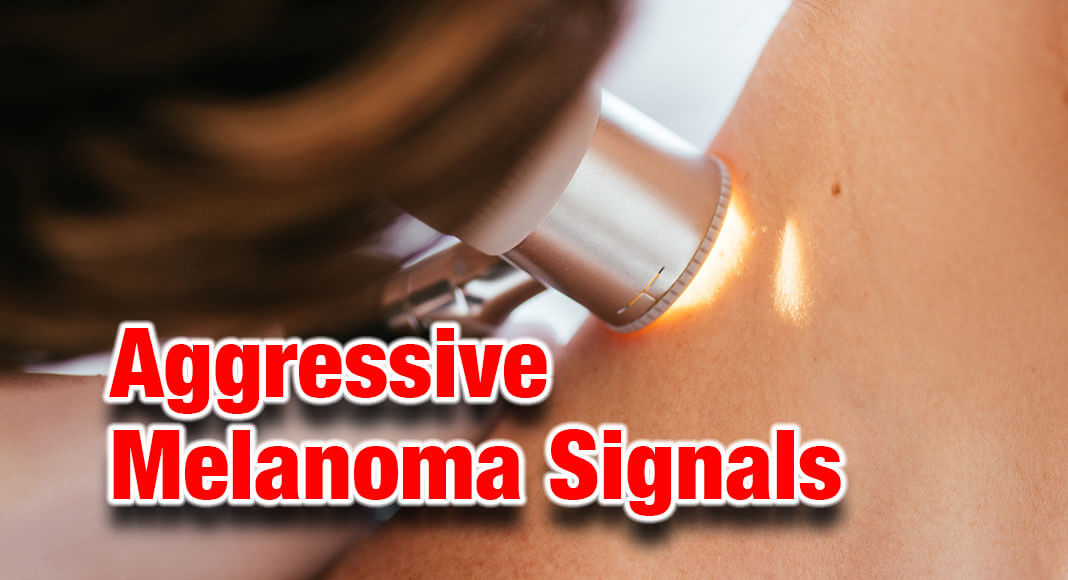
Newswise — New York, NY – Mutation of a gene called ARID2 plays a role in increasing the chance that melanoma, a deadly skin cancer, will turn dangerously metastatic, Mount Sinai researchers report.
The findings suggest that patients whose melanoma tumors have an ARID2 mutation may have a more aggressive cancer and may need to be treated differently, according to a study published in Cell Reports in April.

“Our study is the first to characterize the tumor-suppressive functions of ARID2 in melanoma,” said the study’s lead author Emily Bernstein, PhD, Professor of Oncological Sciences at The Tisch Cancer Institute at Mount Sinai. “We modeled ARID2 mutations by removing the ARID2 protein completely from melanoma cells and studied the consequences in the petri dish and in animal models. Recreating actual mutations that patients harbor is challenging, but now possible by genome editing, and would further provide a more accurate model; such studies are ongoing in the lab.”
Melanoma is the deadliest form of skin cancer, and develops in the cells that produce melanin, the pigment that gives people’s skin its color. While melanoma can be treated successfully when caught early, it can also be quite aggressive and spread from tumors as small as a couple millimeters to vital organs like the brain. Understanding metastatic melanoma is essential to save lives from this disease, which affects 200,000 people a year worldwide.
ARID2 is part of a chromatin remodeling complex and frequently mutated in melanoma. In this study, scientists used melanoma tumor models to measure the role of the ARID2 gene in cancer progression. They assessed the effects of ARID2 loss on the epigenetic landscape, a dynamic DNA and protein platform that They found that without ARID2, melanoma cells exhibit increased metastatic behaviors.Researchers from New York University and Purdue University contributed greatly to this research. This study was funded by the National Cancer Institute, American Skin Association, and National Cancer Center