
Human Polyclonal Antibody to Treat Unvaccinated Non-Hospitalized Adult Patients

Translate to Spanish or other 102 languages!

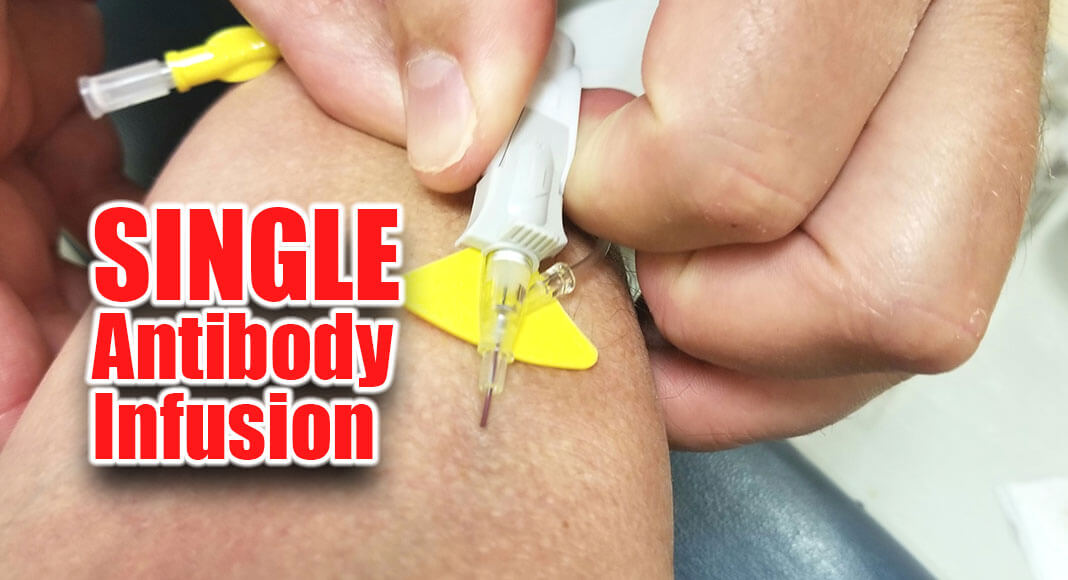
Enrollment in this study is voluntary and the patients will not be charged for this treatment and/or the follow-up. Image for illustration purposes.

Mega Doctor News

- Advertisement -

EDINBURG, Texas – DHR Health is involved in a new and innovative study to use human polyclonal antibody to treat non-hospitalized patients who are >18 years of age with mild-moderate COVID-19. Safety of this human polyclonal antibody (SAB-185) has already been established. This would be the first such study in which human polyclonal antibodies will be used to treat patients with COVID-19.

“We are embarking on a new study that is FDA-approved and NIH-funded to infuse human polyclonal antibodies in non-hospitalized unvaccinated high-risk individuals who are COVID-19 positive” said Sohail Rao, MD, MA, DPhil, President & CEO, DHR Health Institute for Research & Development. “The human polyclonal antibody has been shown to neutralize both wild-type and various variants of SARS-CoV-2 virus including Delta. the primary objective of this study is to prevent hospitalization of the patients with COVID-19.”

The study entails a single treatment with either REGEN-COV monoclonal antibody or SAB-185 human polyclonal antibody which is infused intravenously. Enrollment in this study is voluntary and the patients will not be charged for this treatment and/or the follow-up. To learn more about who would qualify for this treatment, please visit this weblink: https://youtu.be/u8lubUkucNY or call COVID-19 treatment hotline (956) 362-2393 (9:00 a.m. – 5:00 p.m.; M-F) or (956) 342-2383 for more information.


- Advertisement -
- Advertisement -

- Advertisement -

More Articles

Texas Releases Its First-Ever Official Nutrition Guidelines 

The Texas Nutrition Advisory Committee published the first nutritional guidelines created by Texans for Texans.

Spinal Cord Stimulation Offers Hope for Diabetic Neuropathy

A multicenter randomized clinical trial led by researchers from the Pain Outcomes Lab at Wake Forest University School of Medicine found that high-frequency spinal cord stimulation significantly reduced pain and improved sensory function in people with treatment-resistant painful diabetic neuropathy.

CDC Launches New Overdose Prevention Data Channel

The Centers for Disease Control and Prevention (CDC) recently launched the CDC Overdose Prevention Data Channel, a centralized resource that brings fatal and nonfatal overdose data, prevention strategies, and information about CDC programs together in one place.

Hidalgo County Expands Free Narcan Access With Five Vending Machines

Hidalgo County has expanded public access to naloxone, commonly known by the brand name Narcan, through five vending machines that provide the potentially life-saving medication free.
- Advertisement -