Mega Doctor News


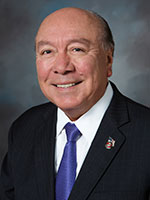
By State Senator Juan “Chuy” Hinojosa
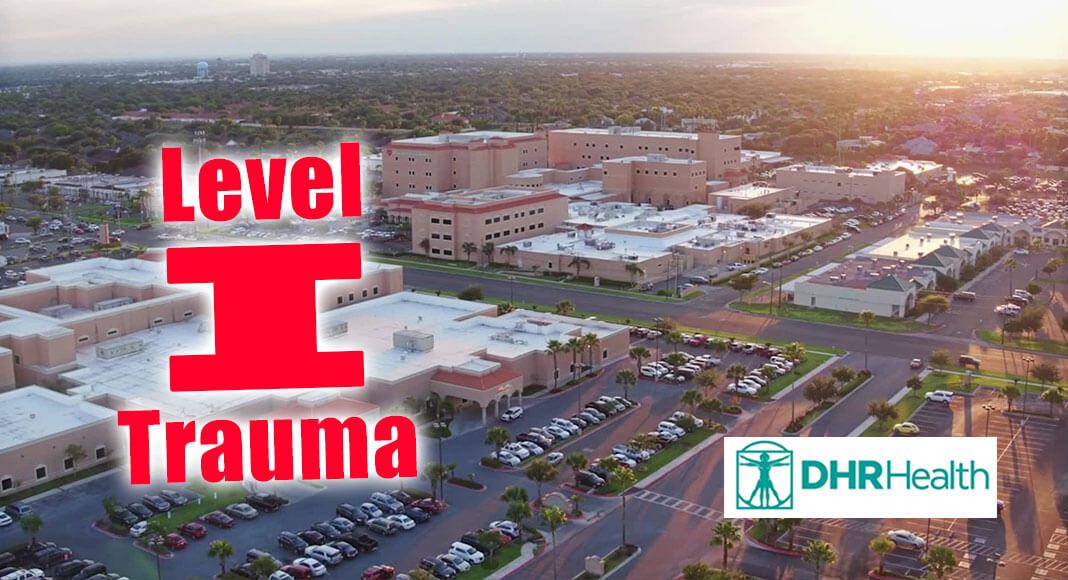
The designation of Doctors Hospital at Renaissance (DHR) in Edinburg as the first Level 1 trauma facility in the Rio Grande Valley is a historic and momentous occasion. This designation is a true testament of the leadership of the DHR Board of Directors, hospital administrators, physicians, and staff. Achieving this designation takes years of building the infrastructure needed such as facilities and personnel and requires a significant financial commitment. The vision, dedication, and commitment of DHR is to be commended. Our Valley delegation worked with DHR to ensure the State of Texas did its part in providing the support and a portion of the funding needed to help make this vision a reality.
After Hurricane Harvey, I wrote an op-ed in September 2018, “Texas Must Invest in Trauma Network Before Next Disaster Strikes.” Our trauma network saves lives and is an absolutely critical component of disaster response. Hurricane Harvey was a somber reminder of the potential devastation facing any of our coastal communities, causing an estimated $125 billion in damage and resulting in over 100 deaths. Hospitals up and down the coast were impacted, with some having to evacuate patients.

However, trauma response is not only for natural disasters. Every day, approximately 40 Texans die due to traumatic injuries, many of these from car accidents. In fact, trauma is the leading cause of death for Texans 44 years and under, and ranks 4th for all ages. Furthermore, for every Texan who dies from a traumatic injury, at least six are seriously injured.
Trauma results in billions of dollars of lost productivity, revenues, and local and state assistance. Studies have shown that getting trauma victims to a trauma center, a hospital equipped and staffed to provide care for patients suffering from traumatic injuries, within the first 60 minutes of a trauma (the “Golden Hour”) is critical to saving lives and preventing disability. Similarly, studies have found that immediately transporting severely injured patients to a Level I trauma center reduces morbidity and mortality.
Prior to this designation of a Level I trauma facility, the Rio Grande Valley was served by two Level II trauma centers. While Level II trauma centers provide adequate care for many traumas, studies have found that patients with certain severe injuries are more likely to survive if they are treated at a Level I. These Level I trauma centers are the most advanced, serving as a tertiary care facility and capable of providing total care for every aspect of injury, from specialists to secondary care. These facilities provide 24-hour care and access to a wide array of specialists, in addition to important education and research functions.
A common recommendation is to have one Level I trauma center per one million population in the service area. Despite a population of over 1.5 million and growing, the Rio Grande Valley did not have a Level I trauma center. In fact, of the top 9 most populated regions of the state, only the Rio Grande Valley lacked a Level I facility. It was clear then that we needed to take action to reduce the gaps in our state’s trauma system. The Valley delegation made it one of its priorities during the 2019 legislative session to help provide funding for a Level I trauma facility in the RGV.
As Vice Chair of the Senate Finance Committee in 2019, as well as a member of the conference committee on Senate Bill 500, along with Vice Chair of Appropriations Oscar Longoria and the Valley delegation, we worked with Governor Greg Abbott, Lt. Governor Dan Patrick, Speaker Dennis Bonnen, and Senate Finance Chair Jane Nelson to include funding in the budget for trauma capacity. SB 500 set aside $17 million from the Economic Stabilization Fund “Rainy Day Fund” for trauma infrastructure. This resulted in $6 million in grant funds for a hospital in the Rio Grande Valley working towards leveling up to a Level I facility. DHR was the recipient of this grant in 2019.
As state leaders, with the support of Governor Abbott and Lt. Governor Patrick, we showed our commitment to help defray the costs associated with centers leveling up in an effort to address gaps in our trauma system. All Texans deserve to have access to the best healthcare we can provide in their hour of need, regardless of what part of the state they live in. We now have a Level I trauma center in the RGV which continues the transformation of the region and our goal to deliver the best healthcare to our families here at home.