Mega Doctor News
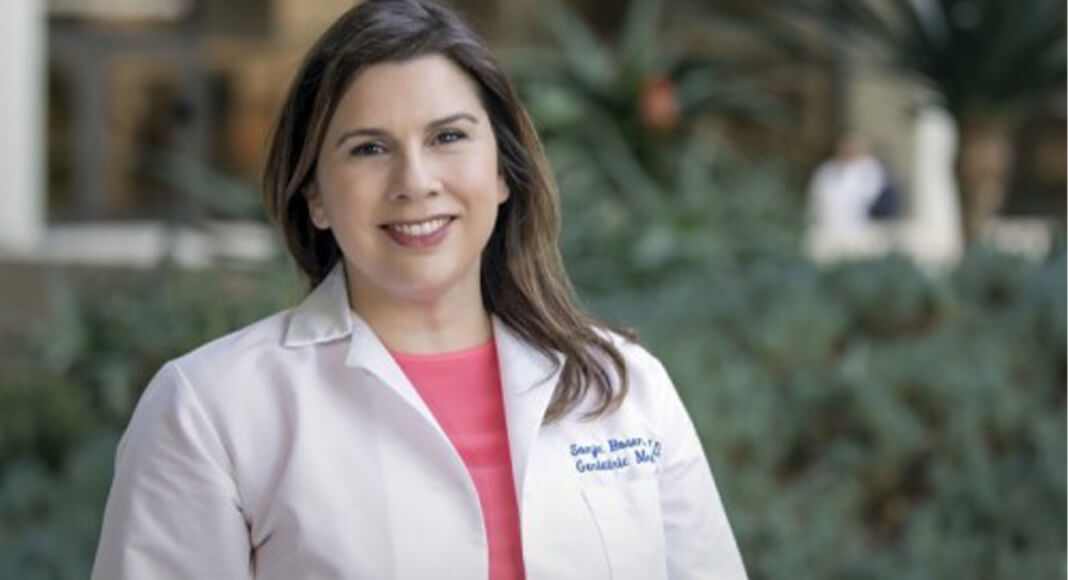
Newswise — Los Angeles – Before COVID-19 vaccines became widely available at the start of the year, limiting exposure to others was the best way to reduce the chance of contracting the illness. Seniors, who are more vulnerable to COVID-19 life-threatening complications, were among the first to begin receiving their shots, and now Rosen says staying at home is the bigger threat to their wellbeing.
“When people are socially isolated, they are less likely to exercise, and less likely to seek medical care when they need it, and this directly impacts their physical and mental health,” said Rosen. “Informal experiences like socializing with cashiers at the grocery store or dropping into a senior center for lunch are a great antidote to pandemic-induced depression and loneliness.”
Rosen’s patient Sandra Banner, 85, has been following health and safety guidelines, but wasn’t about to let herself or her friends become isolated.
“What I have observed among my peers is that, especially when you’re older, isolation is the worst illness,” said Banner, who lives in Palm Desert. “It’s worse than falling. And I needed to make sure that my neighbors had opportunities to come out and see each other.”

Before the pandemic, the retired school administrator and active volunteer spent free time going to movies and happy hour with friends, practicing tai chi and shuttling between her desert home and Los Angeles, where she has two grown children, five grandchildren and season tickets to the Dodgers.

“Then, all of a sudden, isolation,” said Banner, who lovingly called her children her “jailers.”
To connect with others, Banner began teaching daily outdoor tai chi classes for her neighbors, with masks and physical distancing, and organizing weekly outdoor happy hours. She participated in virtual clothing drives and other volunteer activities, connected with her kids on FaceTime and attended synagogue – one son-in-law is a rabbi – on Zoom.
But while virtual activities can reduce loneliness and social isolation, they don’t provide all the benefits of in-person interaction.
“Most people form connections from in-person interactions,” said Rosen. “It’s also physically important to get moving.”
Cedars-Sinai geriatrician Allison Moser Mays, MD, suggests meeting up with others outdoors – whether for a walk or a visit to a local garden – as a solid first step.
“There can be some sense of social awkwardness at first,” she said. “No one has had lots of in-person interaction over the past year. It’s everyone’s first day of school again, so give yourself permission for it to feel awkward or new.”
After Banner was vaccinated, she expanded her anti-isolation campaign with biweekly at-home dinners with her closest friend, then began gathering outdoors at restaurants with an expanding circle of people.
“I got to see a lot of people I hadn’t seen in a year or a year and a half,” she said.