







Mega Doctor News

(Family Features) Planning your holiday menu? Dried cranberries are an ingredient found in many classic holiday recipes, but what you may not know is that they are packed with added sugars. Raisins, on the other hand, are naturally sweet with 0 grams of added sugars, making them a healthy alternative that can help enhance the flavor and nutrition of your favorite holiday recipes.
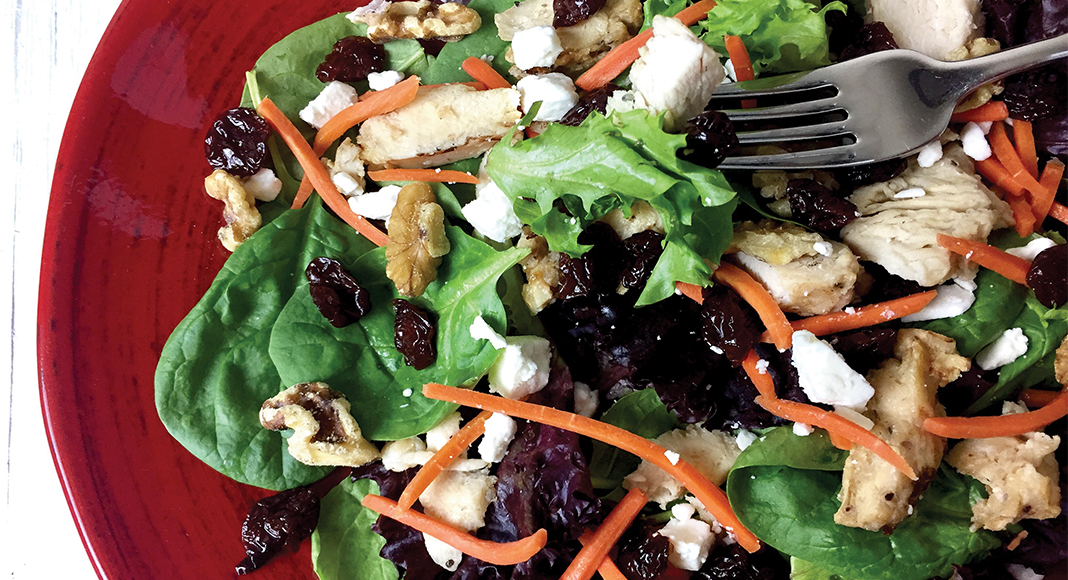
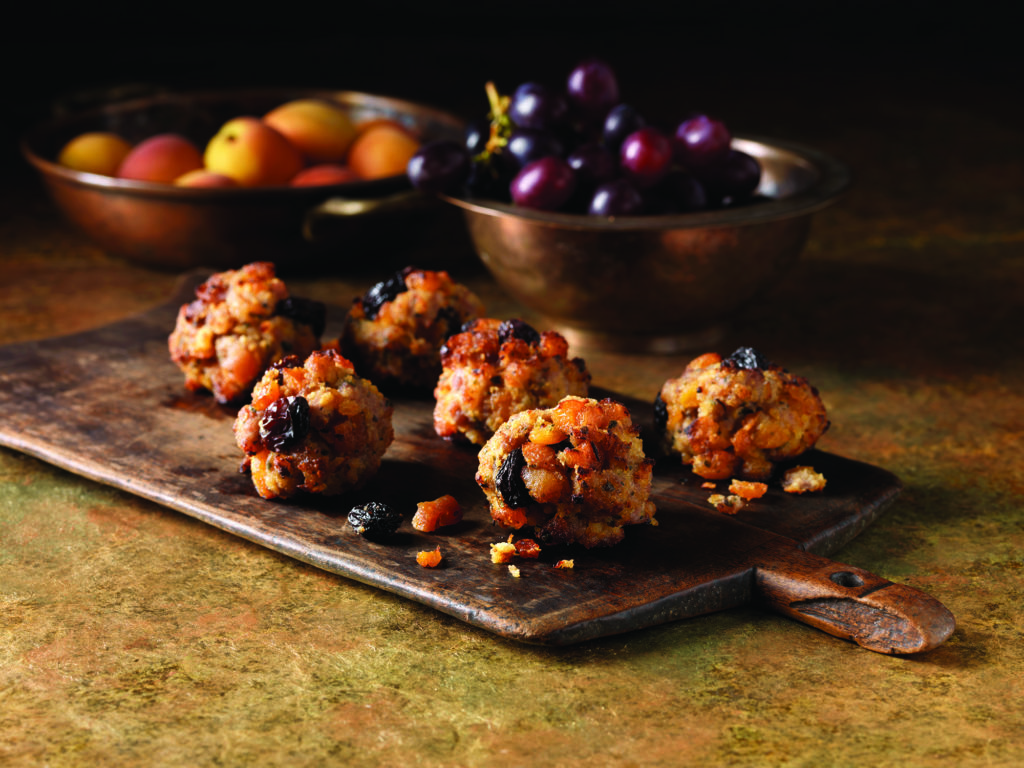
Raisins fit seamlessly into many family-friendly recipes, like traditional oatmeal cookies, stuffing and sweet breads. They also make for easy salad, oatmeal and yogurt toppers, provide a naturally sweet fruit option on charcuterie boards and are a great standalone holiday snack.
Why is this important? Many health-conscious consumers are interested in wholesome foods and products with less ingredients and natural sugars, like those that occur in fruits, vegetables, grains and dairy products. Added sugars, however, refer to any sugars or caloric sweeteners that are added to foods during processing or preparation. Consumption of excessive added sugars may be associated with health consequences, such as obesity, cardiovascular disease, type 2 diabetes, insulin resistance, fatty liver, dental caries and more, according to research published by the National Library of Medicine.

“Consumers are becoming more health conscious and trying to include more nutrient-dense options with less ingredients,” says Sarah Schlichter, a registered dietitian with a master’s in public health. “Yet, consumers often don’t recognize how added sugars throughout the day can quickly add up.”
The U.S. Dietary Guidelines Advisory Committee’s 2020 Scientific Report, which sets the stage for the 2020-2025 Dietary Guidelines for Americans, has proposed an overall reduction in added sugars, recommending that added sugars comprise no more than 6% of the overall diet for adults and children ages 2 and older. This is a reduction from the previous recommendation of less than 10% of the overall diet, bringing further attention to the serious health risks of excessive sugar intake.
Understanding Natural Sugars vs. Added Sugars
Nutrition labels haven’t always distinguished between natural and added sugars, Schlichter said, but instead lumped them together under “total sugars.” However, the Food and Drug Administration’s Nutrition Facts label, which is currently being transitioned to, makes this easily discernible by clearly outlining how much of the total sugar content comes from added sugars.
“One key difference between natural and added sugars is that natural sugars usually complement other nutrients naturally found in a food or fruit, such as fiber, potassium, vitamin C or antioxidants, all of which confer several health benefits,” Schlichter said. “These complementary nutrients may also slow the rate of digestion, keeping blood sugar more stable. Conversely, added sugars are added in isolation and aren’t adding any nutrients to the product.”
To put this in perspective, 1/4 cup of dried sweetened cranberries contains 29 grams of sugar. Of those 29 grams of sugar, 27 grams are added sugars, meaning that most of the sugar is not found naturally in dried cranberries. While a 1/4-cup serving of raisins also contains 29 grams of sugar, the difference is that all 29 grams are naturally found in raisins and none are added. Raisins also naturally offer potassium, iron and fiber.
Making the Case for Raisins
To reduce added and total sugars, many products have been formulated using artificial sweeteners, such as sucralose, aspartame or other no-calorie sweeteners. No-calorie sweeteners are not free from health risks, however, and have been linked to weight gain, obesity, changes to the microbiome, decreased satiety and altered blood sugar levels, according to research published by the National Library of Medicine.
Products sweetened with artificial sweeteners may also contain other unnecessary ingredients as well. For example, 50% less sugar dried cranberries also contain ingredients such as soluble corn fiber, table sugar, glycerin and sucralose.
These products are not really any healthier, Schlichter said, noting there is still much unknown about artificial sweeteners and how they impact hormones, satiety and gut health. Because raisins have no added sugars, no artificial flavors and no unnecessary ingredients, Schlichter recommends swapping them for dried cranberries this holiday season.


