
Everything You Need To Know
Mega Doctor News


By CDC
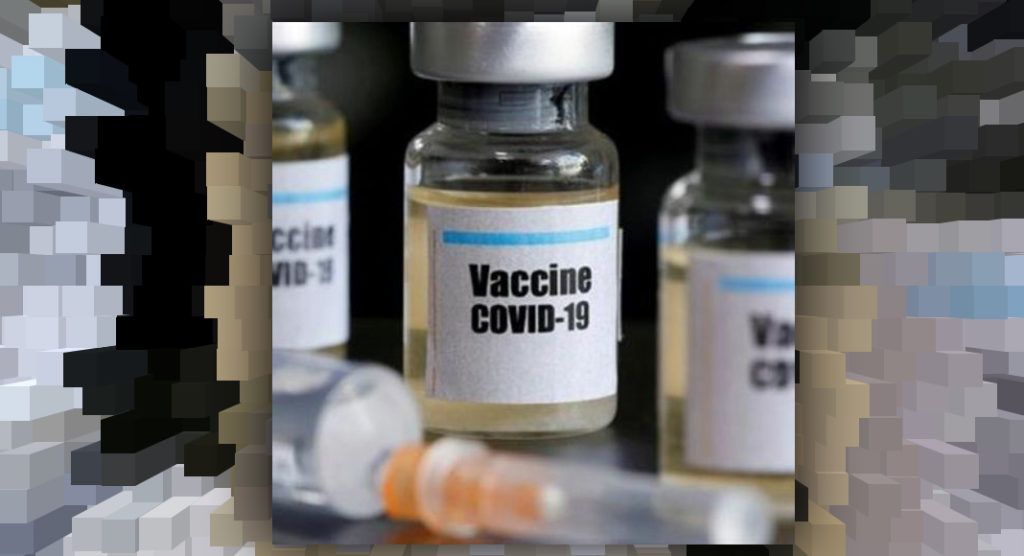
Is there a vaccine for COVID-19?
Not yet. Many potential vaccines for COVID-19 are being studied, and several large clinical trials may report results later this year. If a vaccine is proven safe and effective, it must be approved by national regulators, manufactured to exacting standards, and distributed. The World Health Organization (WHO) is working with partners around the world to help coordinate key steps in this process. Once a safe and effective vaccine is available, the WHO will work to facilitate equitable access for the billions of people who will need it.

When will COVID-19 vaccines be ready for distribution?
We don’t yet know exactly when a safe and effective COVID-19 vaccine will be ready for distribution, but we estimate that it could be in early to mid-2021. Before COVID-19 vaccines can be delivered, several important challenges must be overcome:
- The vaccines must be proven safe and effective in large (phase III) clinical trials. Many potential vaccines for COVID-19 are being studied, and some of the large clinical trials may report results in late 2020 or early 2021.
- A series of independent reviews of the efficacy and safety evidence is required, including regulatory review and approval in the country where the vaccine is manufactured, before WHO considers a vaccine product for prequalification. Part of this process also involves the Global Advisory Committee on Vaccine Safety.
- An external panel of experts convened by WHO, called Strategic Advisory Group of Experts (SAGE), will analyze the results from clinical trials and along with evidence on the disease, age groups affected, risk factors for disease, and other information, they will recommend whether and how the vaccines should be used. Officials in individual countries will decide whether to approve the vaccines for national use and develop policies for how to use the vaccines in their country based on the WHO recommendations.
- The vaccines must be manufactured in large quantities, which will be a major and unprecedented challenge – all the while continuing to produce all the other important life-saving vaccines already in use.
- As a final step, vaccines will be distributed through a complex logistical process, with rigorous stock management and temperature control.
The WHO is working with partners around the world to accelerate every step of this process, while also ensuring the highest safety standards are met.
How likely is it that safe, effective vaccines for COVID-19 will be developed?
The WHO is cautiously optimistic that safe and effective vaccines for COVID-19 will be successfully developed. There is a robust pipeline of potential vaccines in development, and some have already advanced to large (phase III) clinical trials based on promising early data.
But for now, we can’t be certain if or when a COVID-19 vaccine will be available. That is why we must not rely on a future vaccine to fight this pandemic – we must use all the tools we already have at our disposal, such as testing, contact tracing, physical distancing, and the use of masks.
How quickly could COVID-19 vaccines stop the pandemic?
The impact of COVID-19 vaccines on the pandemic will depend on several factors. These include factors such as the effectiveness of the vaccines; how quickly they are approved, manufactured, and delivered; and how many people get vaccinated.
Most scientists anticipate that, like most other vaccines, COVID-19 vaccines will not be 100% effective. The WHO is working to help ensure that any approved vaccines are as effective as possible, so they can have the greatest impact on the pandemic.
What types of COVID-19 vaccines are being developed? How would they work? Scientists around the world are developing many potential vaccines for COVID-19. These vaccines are all designed to teach the body’s immune system to safely recognize and block the virus that causes COVID-19.
Several different types of potential vaccines for COVID-19 are in development, including:
- Inactivated or weakened virus vaccines, which use a form of the virus that has been inactivated or weakened so it doesn’t cause disease, but still generates an immune response.
- Protein-based vaccines, which use harmless fragments of proteins or protein shells that mimic the COVID-19 virus to safely generate an immune response.
- Viral vector vaccines, which use a virus that has been genetically engineered so that it can’t cause disease but produces coronavirus proteins to safely generate an immune response.
- RNA and DNA vaccines, a cutting-edge approach that uses genetically engineered RNA or DNA to generate a protein that itself safely prompts an immune response.
How will we know if COVID-19 vaccines are safe?
- There are many strict protections in place to help ensure that COVID-19 vaccines will be safe. Like all vaccines, COVID-19 vaccines should go through a rigorous, multi-stage testing process, including large (phase III) trials that involve tens of thousands of people. These trials, which include people at high risk for COVID-19, are specifically designed to identify any common side effects or other safety concerns.
- If a clinical trial shows that a COVID-19 vaccine is safe and effective, a series of independent reviews of the efficacy and safety evidence is required, including regulatory review and approval in the country where the vaccine is manufactured, before the WHO considers a vaccine product for prequalification. Part of this process also involves a review of all the safety evidence by the Global Advisory Committee on Vaccine Safety.
- An external panel of experts convened by the WHO will analyze the results from clinical trials and along with evidence on the disease, age groups affected, risk factors for disease, and other information, will recommend whether and how the vaccines should be used. Officials in individual countries will decide whether to approve the vaccines for national use and develop policies for how to use the vaccines in their country based on the WHO recommendations.
- After a COVID-19 vaccine is introduced, the WHO will support work with vaccine manufacturers, health officials in each country, and other partners to monitor for any safety concerns on an ongoing basis.
Will other vaccines help protect me from COVID-19?
- Currently, there is no evidence that any existing vaccines will protect against COVID-19.
- However, scientists are studying whether some existing vaccines – such as the Bacille Calmette-Guérin (BCG) vaccine, which is used to prevent tuberculosis – are also effective for COVID-19. The WHO will evaluate evidence from these studies when available.
Will COVID-19 vaccines provide long-term protection?
- It’s too early to know if COVID-19 vaccines will provide long-term protection. Additional research is needed to answer this question. However, it’s encouraging that available data suggest that most people who recover from COVID-19 develop an immune response that provides at least some protection against reinfection – although we’re still learning how strong this protection is, and how long it lasts.
- It’s also not yet clear how many doses of a COVID-19 vaccine will be needed. Most COVID-19 vaccine being tested now are using two dose regimens.