






Identify the Early Warning Signs of Memory Loss

Translate to Spanish or other 102 languages!

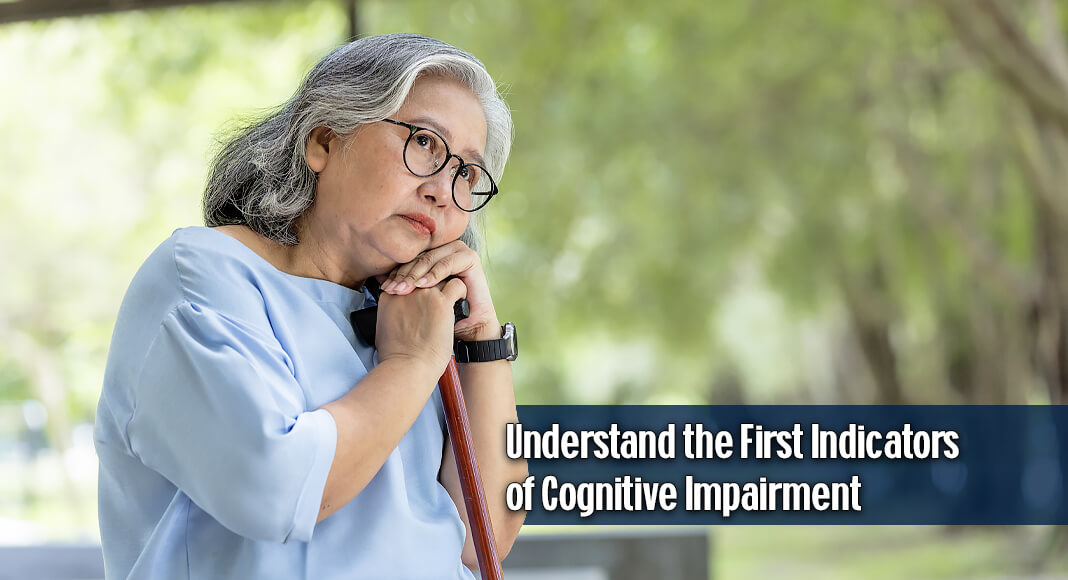
We’ve all lost our keys or forgotten a name every now and then, but when does forgetfulness signal something more serious? Image illustration purposes
- Advertisement -

CLEVELAND CLINIC – We’ve all lost our keys or forgotten a name every now and then, but when does forgetfulness signal something more serious?

“If someone is losing something every day, that’s not really normal,” said Dylan Wint, MD, a neurologist with Cleveland Clinic. “The inability to retrace one’s steps or once you find the object to have no idea how it got there, that is abnormal. And then finding objects, especially in very unusual places, places that don’t make sense. And again, not being able to figure out how they got there.”

Dr. Wint said everyone’s cognition slows naturally as they age, but certain behaviors should cause concern.


- Advertisement -

For example, it’s normal to occasionally call somebody by the wrong name and then catch yourself.

But if a person doesn’t realize they are using the wrong name or word, that may signal a memory problem.

Another warning sign is forgetting new information within minutes or hours and not being able to recall it even with reminders.

Other signs include repeating a story or question shortly after it was first said, getting lost on familiar routes and forgetting how to do daily tasks.

- Advertisement -

Dr. Wint said personality and judgment can be clues, too.

“If you’re seeing changes in personality or judgment, those are things that typically do not change normally as we get older. Our personality tends to be stable. Judgment actually improves as we get older. So, if you see impairments there, that’s concerning,” he noted.

If memory issues are a concern, Dr. Wint recommends talking to your primary care provider.

In some cases, a hormone, vitamin or electrolyte problem could be the issue.

If a memory problem is detected, early intervention often leads to better outcomes.

- Advertisement -
- Advertisement -

- Advertisement -

More Articles

FDA Authorizes Focused Ultrasound Treatment for Varicose Veins

Theraclion has announced that the US Food and Drug Administration (FDA) has granted De Novo authorization for its Sonovein device to treat superficial venous reflux in great saphenous veins (GSV), the main cause of varicose veins. This is the first noninvasive focused ultrasound platform to treat varicose veins, which affect approximately one third of adults.

Renaissance Cancer Foundation to Host 16th Anniversary “Viva la Vida” Gala, Nov. 21st

 The Renaissance Cancer Foundation, a non-profit organization of DHR Health, is excited to announce its 16th anniversary gala, featuring Miami’s premier party band, Extasy. The fundraising event is set to take place on November 21, 2026, at the Edinburg Conference Center at Renaissance, located at 118 Paseo Del Prado in Edinburg.

How to Keep Your Thanksgiving Dinner Safe

As families across the country prepare for Thanksgiving, the U.S. Department of Agriculture’s Food Safety and Inspection Service (FSIS) is reminding consumers to take simple steps that will keep their holiday meals safe and enjoyable.

Op-ED: More than a ‘Smokers Disease’: Why Lung Cancer Awareness Must Become a Priority

In the wake of Pope Leo XIV’s recent lung cancer diagnosis, public interest in the disease has surged, underscoring the important role prevention and early detection play in achieving better outcomes.
- Advertisement -