Mega Doctor News

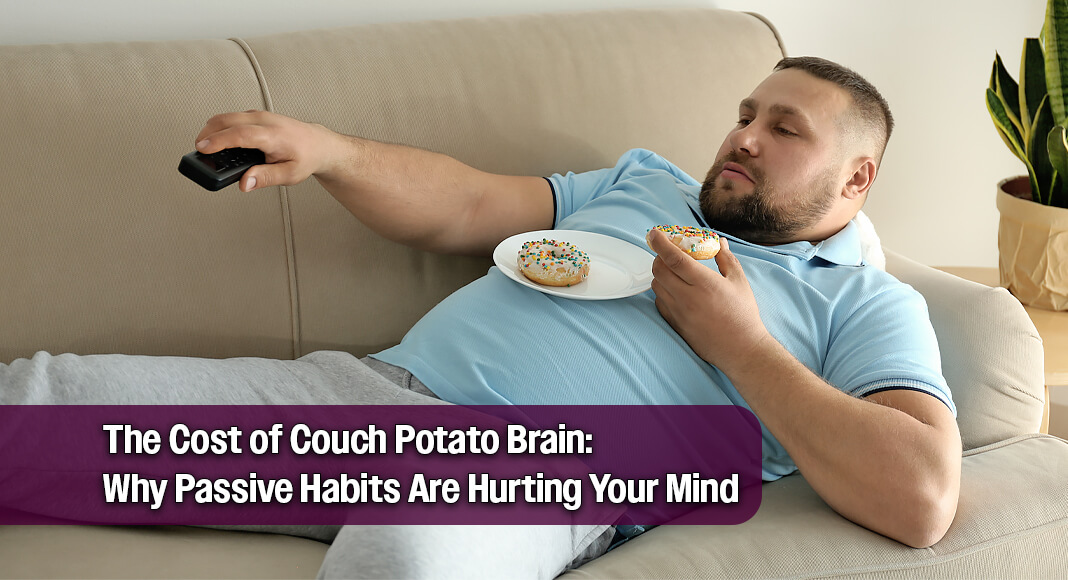
CLEVELAND CLINIC – Do you tend to watch hours of TV after work or spend your free time scrolling on social media? They may seem like harmless activities, but they can negatively affect your brain.
“When we talk about passive activities, the brain’s not really being asked to do anything, simply being asked to receive. Our brains are made to not just receive but to process information, to store information, to communicate information to other brains around us. So, when we are engaged in a lifestyle of passive activities, we’re really depriving the brain of the work it needs to stay healthy,” said Dylan Wint, MD, neurologist at Cleveland Clinic.
Dr. Wint said passive activities can also cause a decline in our cognitive function, which involves how we think, learn, and remember things.

Not to mention, the more time you spend doing passive activities, such as watching hours of TV, the less time you have for other activities that can be beneficial for the brain.
He said some examples include physical exercise, social engagement, reading, challenging puzzles, and learning a new language or instrument.
“Someone who is physically passive for long periods of time will also tend to feel a little bit more physically ill than someone who is engaged in physical activity. Our bodies and our brains tell us when we’re not doing things that are the best for them, and we ought to listen to that. But not only that, the science tells us that we really should be using our bodies and our brains to explore our world, to discover new things, and to engage with other individuals,” he added.
Dr. Wint said that’s not to say you should never watch TV or spend time on social media.
The key is moderation and mixing in other activities that are more stimulating for the brain.