




Mega Doctor News

Newswise – HOUSTON, Texas ― A combination approach successfully overcame treatment resistance and led to durable responses in preclinical models of advanced breast cancer, according to researchers at The University of Texas MD Anderson Cancer Center. The targets at the center of this approach were identified by a new computational biology algorithm developed at UT MD Anderson called TargetScore, suggesting this tool could be used to develop new therapeutic strategies and advance precision oncology.
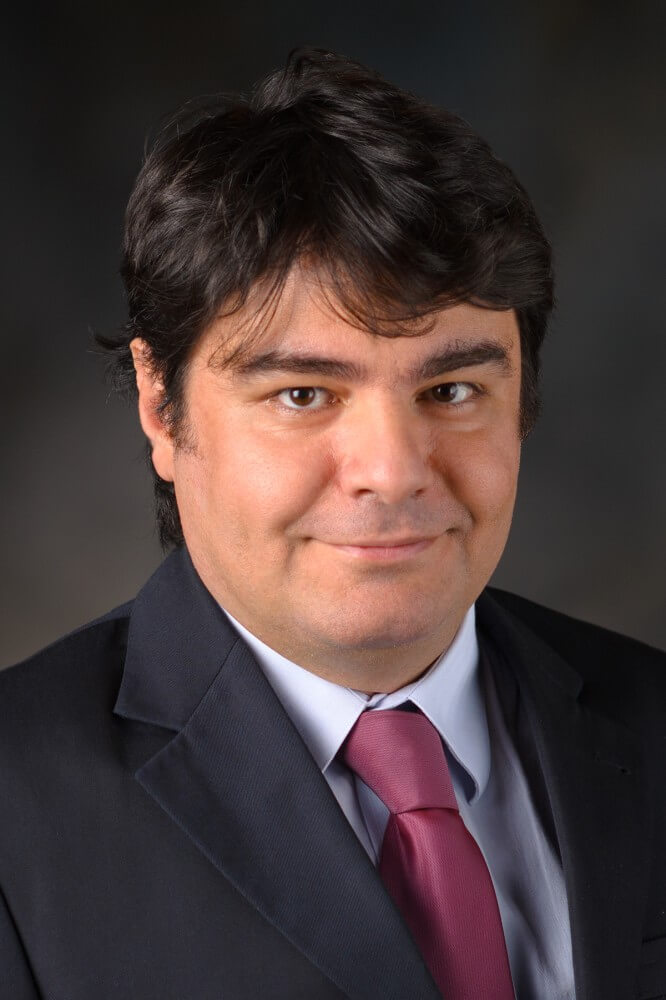
The study, published in Cancer Research, was co-led by Anil Korkut, Ph.D., associate professor of Bioinformatics and Computational Biology.
“Our findings suggest that resistant cancer cells often adapt to find alternate pathways for survival,” Korkut said. “Current precision medicine approaches don’t account for these adaptive responses, which allow tumors to avoid being destroyed. Uncovering these back-up routes can bring about more effective combination strategies to, ultimately, improve patient outcomes.”

Why do cancer cells become resistant to treatment?
Many targeted therapies initially shrink tumors, but cancer cells often activate compensatory biological pathways that help them survive – a process known as adaptive response. Current treatment approaches mainly focus on targeting pre-existing genetic mutations but do not account for these adaptive response mechanisms, which may include DNA repair, cell proliferation, immune evasion and epigenetic regulation.
How did researchers discover this combination?
The researchers used a computational platform developed in the Korkut lab, called TargetScore, to examine how breast cancer cells respond to treatment stress. Rather than focusing on preexisting genes, TargetScore evaluates networks of proteins and molecular signatures that work together inside tumor cells while under therapeutic stress.
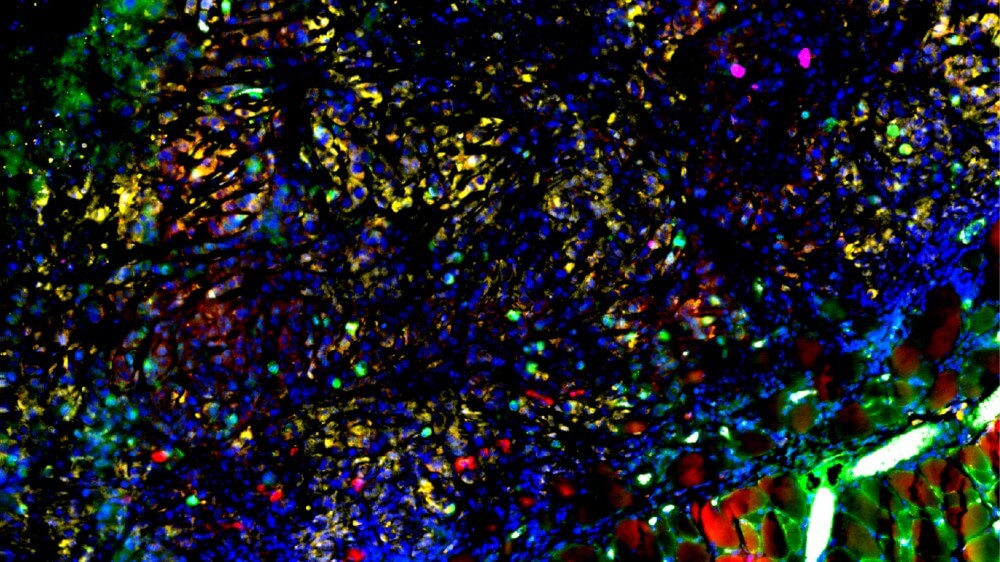
Using TargetScore, the team analyzed breast cancer cells exposed to treatment targeting MCL1, a protein that helps cancer cells avoid programmed cell death, or apoptosis. As the cells adapted to this apoptotic stress, TargetScore tracked both short-term and long-term increased molecular activity in pathways related to DNA repair and cellular growth, which are controlled by the PARP and SHP2 proteins.
TargetScore predicted that the PARP and SHP2 pathways may be involved as a route that helps cancer cells resist apoptosis. The researchers then used those predictions to target both PARP and SHP2 proteins either at the same time or individually.
What did targeting these proteins do?
Inhibiting both the PARP and SHP2 proteins at the same time significantly slowed cancer growth and improved survival in multiple preclinical models of breast cancer compared with either drug alone. Notably, the strongest responses occurred in cells with defects in DNA repair that had already developed resistance to therapy.
What does this mean for patients and what’s next for this research?
These results are preclinical and need further validation before they can be tested in clinical trials. However, TargetScore helped identify a drug combination that successfully overcame treatment resistance in preclinical models of advanced breast cancer, suggesting its potential to identify more efficient therapeutic strategies for other treatment-resistant cancers.
In this study, targeting both the PARP and SHP2 pathways at the same time was more effective at slowing tumor growth and improving outcomes, particularly in tumors with DNA repair deficiencies yet resistance to PARP inhibition. However, additional studies will be needed to confirm the safety and efficacy of this combination in patients.
***
This study was funded in part by the National Institutes of Health/National Cancer Institute, the Cancer Prevention and Research Institute of Texas, the Dr. Miriam and Sheldon G. Adelson Medical Research Foundation, the Susan G. Komen Foundation, the Ovarian Cancer Research Alliance, the Blanton-Davis Ovarian Cancer Research Program, the Andrew Sabin Family Foundation, the Breast Cancer Research Foundation and UT MD Anderson institutional funding. For a full list of collaborating authors, disclosures and funding sources, see the full paper in Cancer Research.