







Mega Doctor News

by University of California San Diego
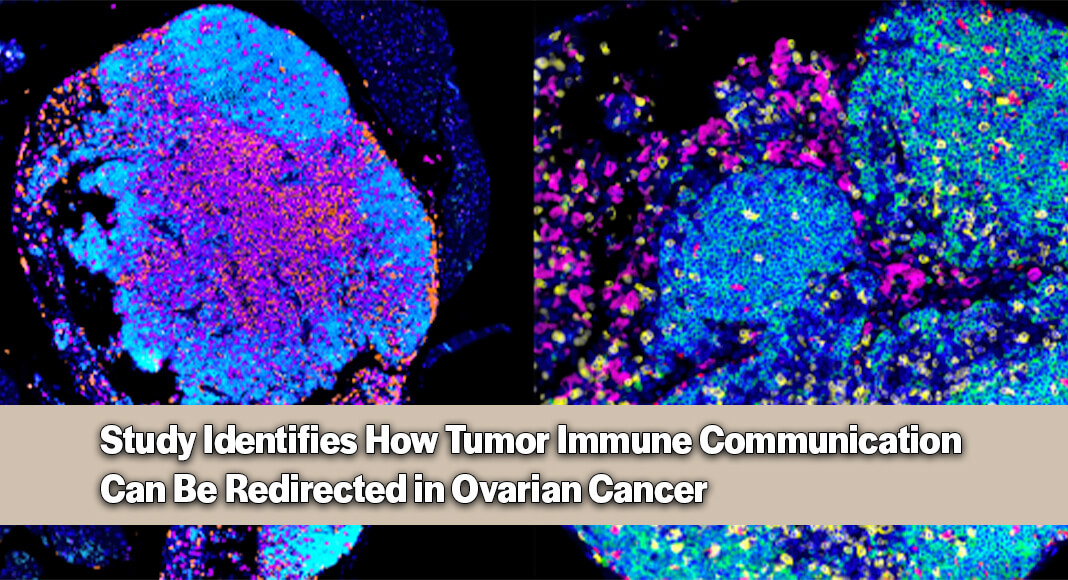
Newswise – Researchers at the University of California San Diego and collaborators have discovered a new way to help the immune system fight ovarian cancer by changing how tumors communicate with nearby immune cells. The study found that blocking a protein called FAK (focal adhesion kinase), which is highly active in many ovarian cancers, can help “re-educate” the immune system to attack tumors.
High-grade serous ovarian cancer is the most common and aggressive form of ovarian cancer and often becomes resistant to chemotherapy. While immune checkpoint therapies have transformed treatment in some cancers, they have shown limited benefit in ovarian cancer because tumors create an environment that weakens the body’s immune response.

This new research identifies a pathway that can help overcome that barrier. Key findings include:
- Blocking FAK activity in ovarian cancer cells causes tumor cells to release tiny particles containing omega-3 fatty acids, the same healthy fats found in fish oil. These particles are taken up by nearby immune cells called macrophages, acting as cellular signals.
- The omega-3 signals cause macrophages to switch into an anti-tumor mode and release a molecule called CXCL13. This new CXCL13 signal attracts other tumor-fighting immune cells.
- In mice, combining an FAK inhibitor with low-dose chemotherapy and immunotherapy suppressed tumor growth, increased immune cell infiltration, and extended survival.
“Our findings reveal a previously unrecognized lipid-based communication pathway between ovarian tumors and the immune system,” said senior author David D. Schlaepfer, PhD, professor of obstetrics, gynecology and reproductive sciences at UC San Diego School of Medicine and member of UC San Diego Moores Cancer Center. “By inhibiting FAK, we can re-educate macrophages to promote anti-tumor immunity rather than suppress it.”
FAK-targeting drugs are already being tested in clinical trials for ovarian cancer. The new findings suggest that combining these drugs with immunotherapy and selected chemotherapy may make treatments more effective by turning the tumor environment from immune-suppressing to immune-activating. While more research and clinical trials are needed, this discovery offers hope for developing better treatments for people with ovarian cancer and possibly other cancers as well.
The study, published in Cell Reports, was led by Schlaepfer in collaboration with Kevin Tharp, PhD, at Sanford Burnham Prebys Medical Discovery Institute. The research was supported, in part, by the National Institutes of Health and the National Science Foundation. The authors report no competing interests.


