




Mega Doctor News
Alcohol use disorder is much more common than many people realize. Nearly 30 million Americans ages 12 and older—almost 1 in 10 people—are affected, according to the Centers for Disease Control and Prevention (CDC).
When one person struggles, the effects extend far beyond the individual, impacting millions of family members, friends and loved ones who often share in the worry, stress and emotional burden that accompany this condition.
“Alcohol use disorder doesn’t just affect individuals, it touches entire communities,” said Albert Guerrero, LCDC, a licensed chemical dependency counselor with South Texas Health System (STHS) Behavioral. “When our neighbors struggle, the ripple effects can be felt in our workplaces, schools and families across the region. Families carry the fear, friends carry the worry, and whole communities feel the strain.”

Alcohol use disorder is a chronic, relapsing brain condition and a recognized mental health disorder; it’s not a personal or moral failing. It involves a loss of control over drinking, even when alcohol use causes harm to one’s health, relationships or daily functioning.
Untreated alcohol use disorder can severely affect a person’s physical, mental and social wellbeing. In addition to straining relationships, finances and family life, it can contribute to serious medical conditions such as liver cirrhosis, cancer and cardiovascular disease. It also significantly increases the risk of accidents, suicide and violence.
“Alcohol use disorder can take a profound toll on a person’s overall health and wellbeing,” said Guerrero. “It weakens the body, strains the mind and erodes quality of life in ways that often go unnoticed until the damage is significant. Recognizing the condition early and seeking support can make all the difference in restoring stability, health and hope.”
Excessive drinking is responsible for approximately 178,000 deaths each year in the United States, reducing life expectancy by an average of 23 years, according to the CDC.
Addressing alcohol use disorder effectively requires a comprehensive, multilayered support system designed not only to prevent relapses but also to promote longterm recovery. Family members and friends play a vital role by offering accountability, encouragement and emotional support. In addition, community resources help individuals confront the mental, social and physical factors that contribute to addiction, creating a stronger foundation for healing and sustained wellness.
“When we stand with those who are struggling, we not only restore hope and rebuild stability — we strengthen the resilience of our whole community,” said Guerrero.
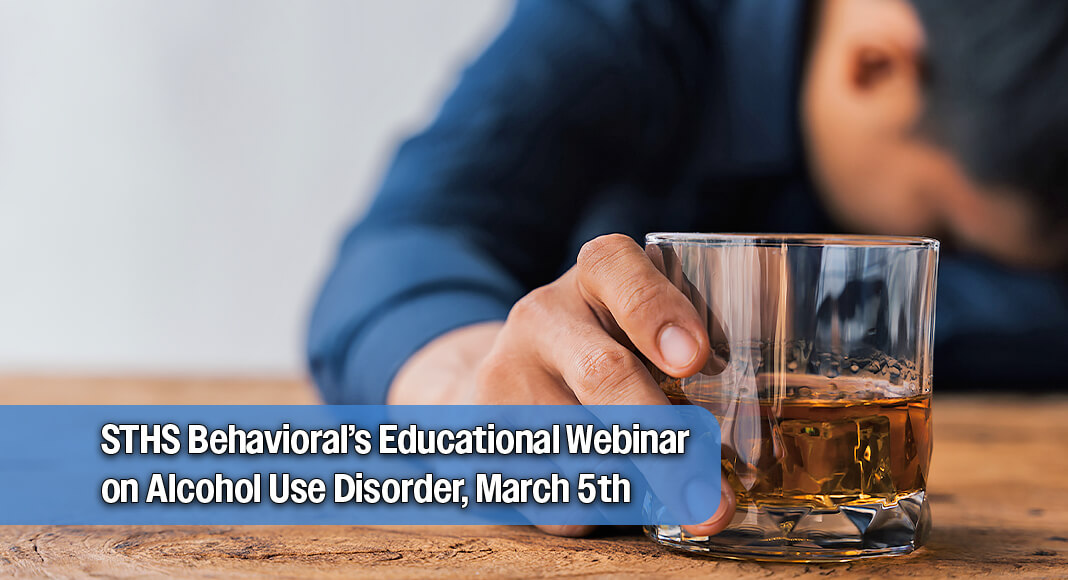
To strengthen awareness and understanding of the condition, South Texas Health System (STHS) Behavioral is dedicating its latest Let’s Talk Mental Health webinar to alcohol use disorder.
Broadcast live via STHS’ Facebook page, from 5:30 – 6:30 p.m., on Thursday, March 5, 2026, the online seminar will explore how alcohol use disorder develops, outline key warning signs and demonstrate how treatment and recovery can support longterm healing and renewed hope.
For more information on the webinar, visit the STHS Facebook Events page. If you’d like to view previous Let’s Talk Mental Health seminars, visit STHSLetsTalk.com.
| Who: | South Texas Health System Behavioral |
| What: | FREE virtual seminar entitled “Let’s Talk Mental Health – Alcohol Use Disorder” |
| When: | Thursday, March 5, 2025, from 5:30 – 6:30 p.m. |
| Where: | Online via STHS’ Facebook page |


