







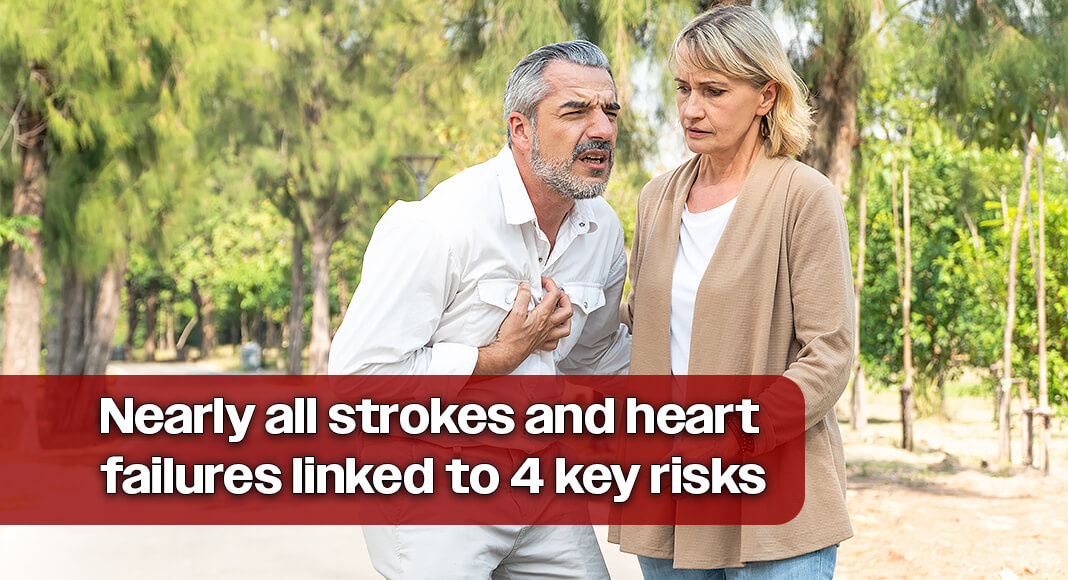
99% of Heart Attack, Stroke, Heart Failure Cases Linked to Preventable Risk Factors

Translate to Spanish or other 102 languages!

Scientists also found that of the four major cardiovascular disease risk factors studied, high blood pressure was the most common issue. Image for illustration purposes
- Advertisement -

Medical News Today

A new study of more than 9,000 adults reports that more than 99% of people who experienced a heart attack, heart failure, or stroke had at least one of four major cardiovascular risk factors — high blood pressure, cholesterol, or fasting glucose, as well as tobacco use — above ideal healthy levels beforehand. 

Scientists also found that of the four major cardiovascular disease risk factors studied, high blood pressure was the most common issue.

- Advertisement -

Follow the link below to read the full story at Medical News Today:

https://www.medicalnewstoday.com/articles/heart-attack-stroke-heart-failure-linked-to-preventable-risk-factors?utm_term=feature&utm_source=Sailthru%20Email&utm_medium=Email&utm_campaign=MNT%20Daily%20News&utm_content=2025-09-30&apid=&rvid=4ba4ec80177cae00eabc43b8bc6648d598c4a356d104663735777e0a0f8b5c9f

Information source: https://www.medicalnewstoday.com

- Advertisement -

- Advertisement -

- Advertisement -

More Articles

Exploring Facial Processing Differences in Autism

Some of the hallmark characteristics of autism are the tendencies to avoid looking at other’s faces and making less eye contact.

STHS’ Freestanding ERs Earn National Recognition for High-Quality Resuscitation Care

Sudden cardiac arrest is a life-threatening medical emergency that occurs when the heart unexpectedly stops beating, abruptly cutting off blood flow to the brain and other vital organs. It can strike anyone, at any age, often without warning.

New Lancet Commission Outlines Roadmap to Close the Gender Gap in Blood Disorders

A new report in The Lancet Haematology, led by Cleveland Clinic hematologist Bethany Samuelson Bannow, M.D., outlines practical strategies to improve diagnosis, care and outcomes globally for women and girls with hematological conditions, such as bleeding disorders, heavy menstrual bleeding, postpartum hemorrhage, thrombosis and maternal hematologic complications.

DHR Health Neuroscience Institute Nationally Recognized for Commitment to Excellence in Stroke Care

DHR Health Neuroscience Institute received the American Heart Association’s Get With The Guidelines® - Stroke Gold Plus quality achievement award for its commitment to ensuring people experiencing a stroke receive timely, appropriate treatment based on nationally recognized, research-based guidelines, ultimately helping to save lives and reduce disability.
- Advertisement -


