








Mega Doctor News
- Advertisement -
You’ve probably heard of outbreaks of E. coli from contaminated leafy greens, meat, and other foods before. But did you know that harmful E. coli bacteria can also spread from certain animals to people?
Animals that carry E. coli
Animals like cows, goats, sheep, and deer can carry E. coli in their stomachs and shed the germs in their poop. Infected animals can still spread the bacteria even if they look healthy and clean. The germs can live on their skin or fur and in the areas where they live and roam.
| How it spreads to people People can get E. coli when they touch an infected animal or contaminated surface and then their mouths. Young kids, people with weakened immune systems, and people over 65 are especially at risk for getting seriously sick from E. coli infection. It’s important to practice good hygiene around animals, especially at petting zoos, fairs, and other animal exhibits. |
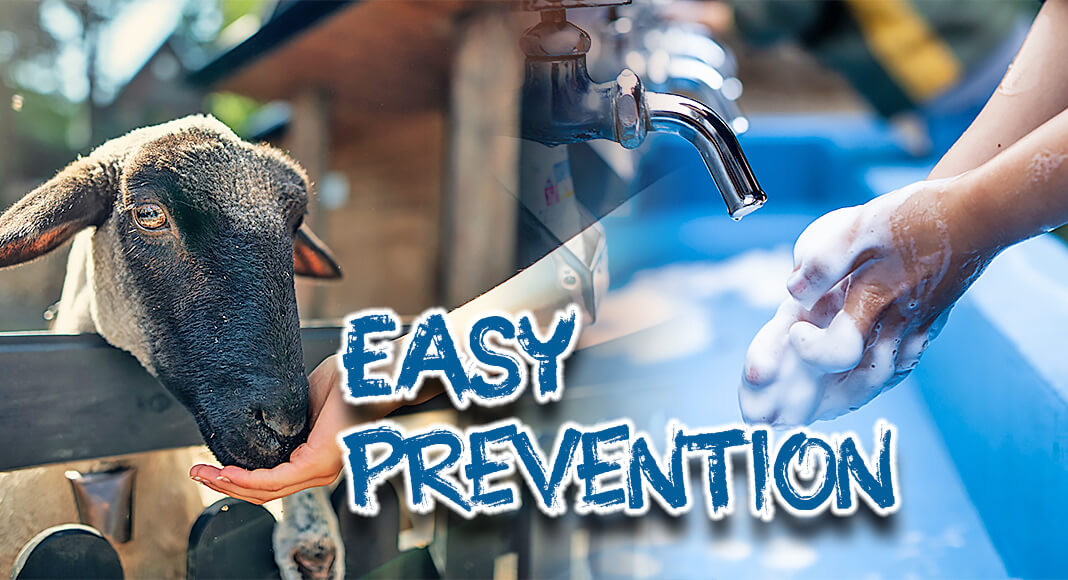
| Stay healthy around animals The best way to prevent E. coli infection is to wash your hands! Wash them: After touching animals, their food, supplies, or items in their environments. After visiting petting zoos, fairs, farms, or other places where animals live and roam, even if you didn’t touch an animal. After removing shoes and clothes that have been worn around animals or their environments. |
- Other ways to stay healthy:
- • Don’t eat, drink, or prepare food around animals.
- • Don’t let kids under 5 years old touch cows, goats, sheep, or deer.
- • Don’t let kids sit or play on the ground in areas where animals live and roam.
- • Keep strollers and other supplies outside of animal areas.
- Advertisement -


