
Mega Doctor News
By Academy of Nutrition and Dietetics
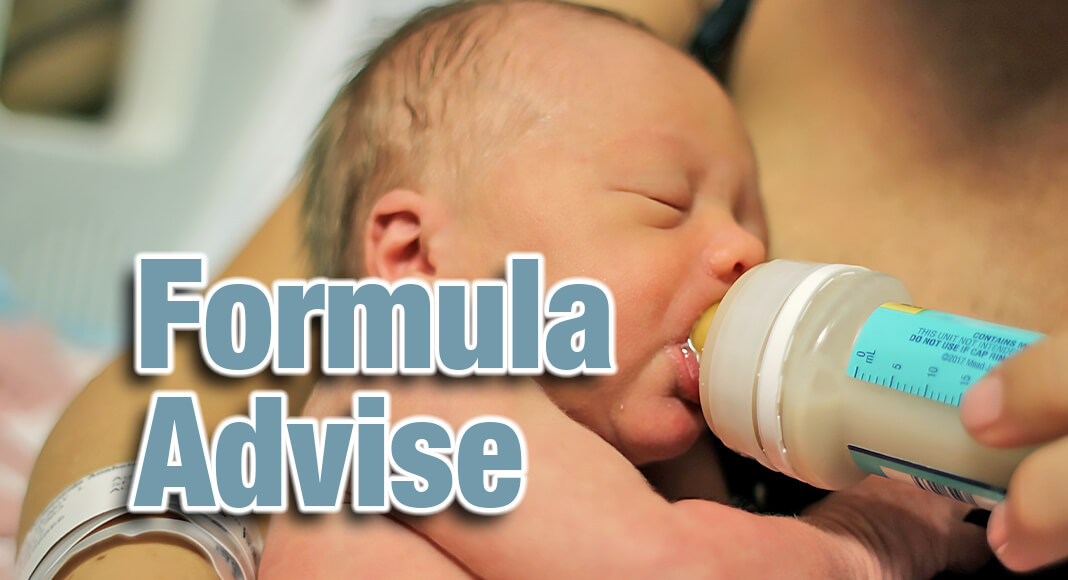
Newswise — CHICAGO – Supply chain shortages have been frustrating to caregivers in search of infant formulas to feed their children. With some relief in sight as retailers slowly restock their shelves with domestic and imported formulas, the Academy of Nutrition and Dietetics encourages consumers to select the formulas that best meet the nutritional needs of their infants and children.
“Registered dietitian nutritionists can provide guidance to families as the selection of infant formulas might differ from what was available prior to the shortage,” said registered dietitian nutritionist Amy Reed, a national spokesperson for the Academy based in Cincinnati, Ohio. “This shortage is not only impacting infants; there are many children, teens and adults who require special feedings and rely on therapeutic formulas to meet all of their nutritional needs.”

The U.S. government has been working closely with formula manufacturers to increase production domestically and increase access from abroad. Federal agencies have been working together to import infant formulas that are not currently being produced for the U.S. market as a temporary measure to help alleviate the formula shortage. Only infant formulas that meet specific criteria and safety standards are being brought into the U.S. during the shortage, according to the White House. As of July 10, the federal government has transported more than 44 million 8-ounce bottle equivalents of infant formula to the U.S.
While imported infant formulas may provide necessary relief, caregivers should be aware of differences between these and domestic formula brands.
Reed recommends the following:
- If your infant or child refuses to drink a new formula after several tries, contact your physician or RDN for additional guidance.
- Follow the manufacturer’s label when preparing infant formula and do not add more water to “stretch” the amount of formula per serving.
- Do not purchase infant formula or breast milk from unknown sources or online because they are not safe and may contain harmful ingredients.
- Purchasing pasteurized donor human breastmilk from milk banks is an appropriate alternative for some infants, when available.
- Be aware of and follow expiration dates. Once expired, you can’t guarantee the formula’s quality or safety.
- Homemade infant formulas are not recommended and can lead to both short- and long-term health issues for infants and children.
- If possible, breastfeeding is a great option to meet your child’s nutrition needs. Consult an RDN for more information on the benefits of breastfeeding.
- Monitor the amount of formula you have available. If you are having difficulty obtaining the appropriate formula for your child, contact your physician, RDN or another health care provider before supply is depleted; they can help you find a suitable formula for your child.
For more information, visit the Academy’s Infant Formula Safety Resources webpage or the Health and Human Services website at hhs.gov/formula. To find an RDN in your area, visit the Academy’s Find a Nutrition Expert.
Representing more than 112,000 credentialed nutrition and dietetics practitioners, the Academy of Nutrition and Dietetics is the world’s largest organization of food and nutrition professionals. The Academy is committed to improving health and advancing the profession of dietetics through research, education and advocacy. Visit the Academy at www.eatright.org.