








Why You Shouldn’t Skip the Flu Vaccine

Translate to Spanish or other 102 languages!

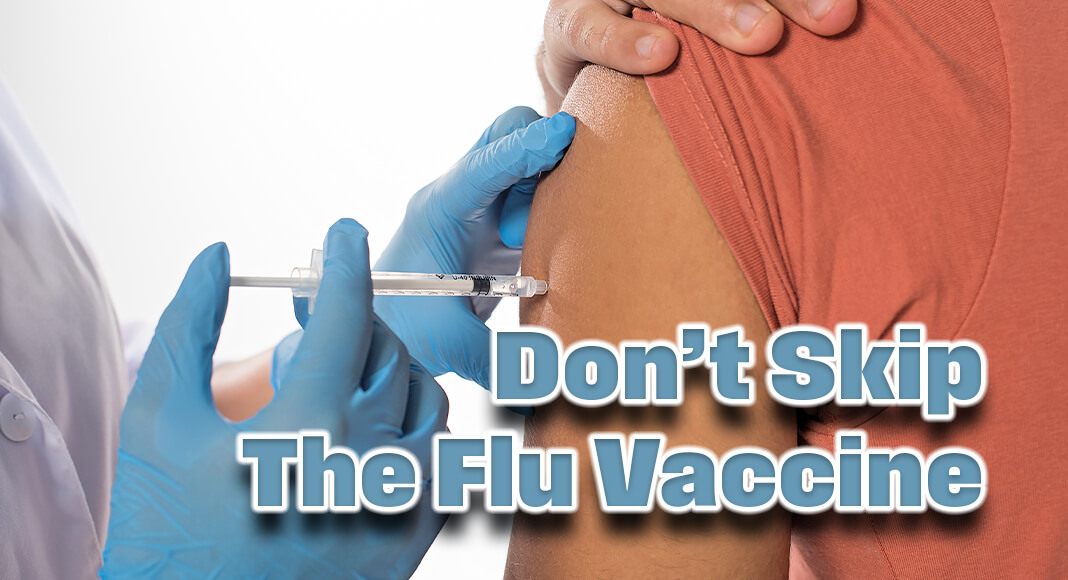
If you haven’t gotten your flu vaccine yet, now is a good time to do so – especially as family and friends come together for the holidays. Image for illustration purposes
- Advertisement -

CLEVELAND CLINIC – It’s National Influenza Awareness Week.

If you haven’t gotten your flu vaccine yet, now is a good time to do so – especially as family and friends come together for the holidays.

“You may be surrounded by people who are older or younger or can’t receive the vaccines and are actually immunocompromised, so it’s really important to protect not only yourself but your loved ones,” explained Neha Vyas, MD, family medicine physician for Cleveland Clinic.


- Advertisement -

Dr. Vyas said the flu vaccine can also help reduce the severity of symptoms if you do end up getting sick.

According to the CDC, the vaccine is recommended for anyone six months and older.

Side effects are generally mild and short-lived, if you do experience any.

They may include soreness at the injection site, fever, fatigue, muscle aches and headache.

- Advertisement -

“In addition to immunizing yourself and your loved ones, it’s important that you make sure you cover your cough, or if you’re not feeling well, be sure to wear a mask,” advised Dr. Vyas. “It’s also important that you wash your hands before you touch your face or before you eat, and ensure that all high touch surfaces such as doorknobs, kitchen sinks, and faucets are cleaned regularly with a sanitizing or disinfecting wipe.”

Dr. Vyas said besides the flu vaccine, the public should also get vaccinated for COVID-19, pneumonia and RSV, if eligible.


- Advertisement -
- Advertisement -

- Advertisement -

More Articles

Mayo Clinic Study Sheds New Light on Memory Loss

A new framework, published in Brain, could reshape researchers' understanding of how the brain creates memories and experiences, and how disruptions in this process may indicate Alzheimer’s disease and other forms of dementia.

United States and Mexico Lose Measles Elimination Status Amid Continued Outbreaks

The United States, Mexico and Bolivia have lost their measles elimination status after the highly contagious virus circulated continuously for more than 12 months, the Pan American Health Organization (PAHO) announced November 17, 2026.

Eating and sleeping later associated with increased health risks

Staying up late and eating later in the evening could increase the risk of metabolic syndrome, a term that refers to conditions that increase the risk of type 2 diabetes, cardiovascular disease, and high cholesterol.

Health Officials Release Joint Statement Regarding Loss of U.S. Measles Elimination Status

CDC and its partners are committed to stopping measles outbreaks, protecting Americans, and regaining measles elimination status.
- Advertisement -