








Why Blood Donations are Needed Year-Round

Translate to Spanish or other 102 languages!

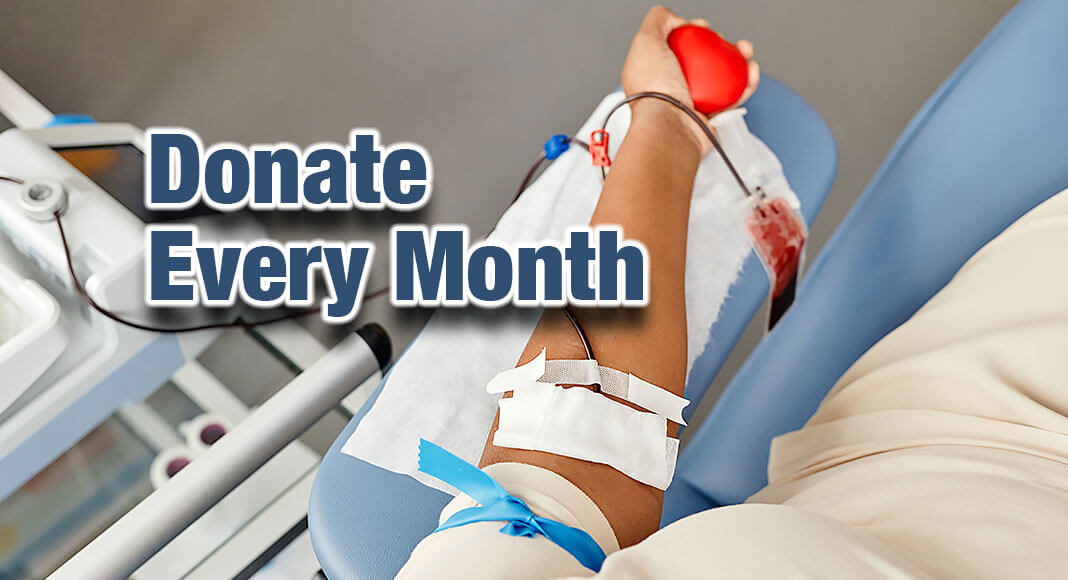
“Blood that is donated can be used for surgical patients who are undergoing surgery, for trauma patients who’ve had a significant injury or patients with other medical conditions that might require a transfusion,” explained Dr. Waters. Image for illustration purposes

Mega Doctor News

- Advertisement -

CLEVELAND CLINIC – January is National Blood Donor Month. If you have never donated blood before, it’s worth considering.

As Thomas Waters, MD, emergency medicine physician with Cleveland Clinic explains, hospitals are always looking to increase their supply.

“Blood that is donated can be used for surgical patients who are undergoing surgery, for trauma patients who’ve had a significant injury or patients with other medical conditions that might require a transfusion,” explained Dr. Waters.

- Advertisement -

According to the Red Cross, every two seconds someone in the United States needs blood or platelets. The most common type of blood requested by hospitals is type O.

For those who’ve never donated, the blood donation process is relatively simple.

First, you’ll complete a donor registration, then go over your health history and do a mini physical. From there, a medical professional will hook you up for the blood draw, which typically takes between 8 to 10 minutes.

If you’re donating platelets, red cells or plasma, it can take up to two hours.

- Advertisement -

Dr. Waters has some advice for those who may be nervous to donate.

“There are a lot of people out there who are afraid of needles, so understandable it can be a scary event to undertake,” he said. “But it is safe, it’s very simple, it’s relatively painless, you’ll feel a little pinch. It only takes a few minutes and again it can be life-saving for someone who needs a transfusion.”

To find a blood drive near you, you can call your local hospital or visit the Red Cross website.

- Advertisement -
- Advertisement -

- Advertisement -

More Articles

Researchers Unlock New Way to Help Fight Skin Cancer

Researchers at the UNC School of Medicine and UNC Lineberger Comprehensive Cancer Center have identified a potential solution. In a new study published in the Journal of Clinical Investigation, researchers have found that by inhibiting a problematic protein, the immune system can better fight off melanoma, decreasing tumor growth and bolstering the body’s immune cells.

Expert Advice on Preventing Cognitive Decline

The same lifestyle choices that reduce your risk of heart disease, diabetes and cancer also can reduce your risk of cognitive decline. Bryan Woodruff, M.D., a cognitive neurologist at Mayo Clinic in Arizona, explains the brain-body connection, lifestyle changes to foster brain health and why work to make earlier detection of Alzheimer's disease and other dementias is important.

What to Know About the Cyclospora Parasite in Your Grocery Cart

You’ve probably seen the headlines about a parasite spreading across the United States and making people sick, but what exactly is causing it? 

How Extreme Weather and Air Pollution Put Your Heart at Risk

It’s not just high temperatures that can put stress on the heart. Other environmental factors, such as air pollution, extreme cold, hurricanes, wildfires, and other climate events, can contribute to or worsen cardiovascular conditions.
- Advertisement -

