








Why Annual Physicals are Crucial for your Child’s Health

With school back in session, a pediatrician discusses why now is a good time to schedule your child's annual physical.

Translate to Spanish or other 102 languages!

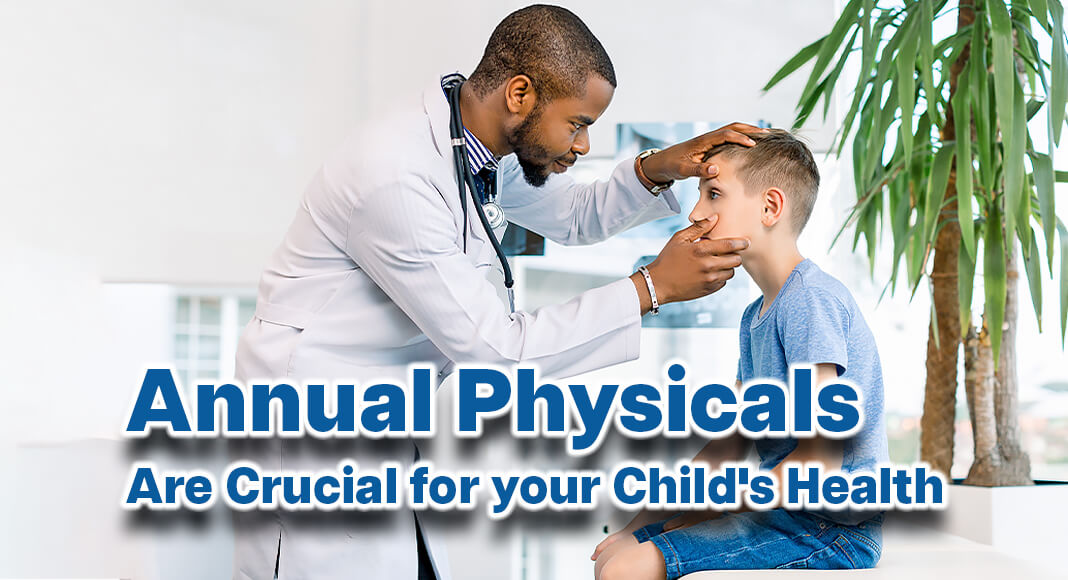
As the new school year begins, it’s a great reminder to schedule your child’s annual physical. Image for illustration purposes
- Advertisement -

CLEVELAND CLINIC – As the new school year begins, it’s a great reminder to schedule your child’s annual physical.

These yearly visits are crucial to keep tabs on a variety of things.

“Annual checkups are about physical health, preventative medicine and mental health. We don’t just want to make sure your body is healthy – we want to make sure your mind is healthy, too,” explained Gina Robinson, MD, pediatrician for Cleveland Clinic Children’s.

- Advertisement -

After their more frequent visits early on, Dr. Robinson said children should keep up with at least one yearly physical starting at age 3.

These regular visits help doctors catch and address anything abnormal early.

Along with doing vision, hearing and other necessary tests – doctors can start talking to kids about things like healthy eating and the importance of sleep.

By having these conversations, Dr. Robinson said children can start developing lifelong healthy habits.

- Advertisement -

An annual checkup is also a good time for kids to bring up anything on their minds, as well.

“Although kids have a lot of questions, they don’t always ask them,” Dr. Robinson said. “But if they come in and see their doctor every year, they can get more comfortable.”

Dr. Robinson added it’s a good idea to have kids write down their questions beforehand – that way, they don’t forget about one during their visit.


- Advertisement -
- Advertisement -

- Advertisement -

More Articles

New Study Shows Wide Variation in Telemedicine Use Among Patient Groups

Use of telemedicine spiked amid the COVID-19 pandemic, but is still used significantly more in the years following crisis compared to the time before, new analysis from Penn Medicine researchers shows.

The Truth About Sleep Trackers and What They Measure

We probably all know someone who tracks their sleep with a smart watch, but have you ever wondered if those devices actually work? 

FDA Seeks Public Input on New In‑Home Opioid Disposal Standards

The U.S. Food and Drug Administration today issued a Request for Information (RFI)seeking public comment on potential new standards for in-home opioid disposal products. This effort is part of the agency’s broader work to combat the opioid crisis.

Depression and Suicidal Ideation Rise Sharply Among U.S. College Students, 15‑Year Study Finds

Results of an analysis of health survey data from more than 560,000 U.S. college students concludes that depression symptoms have steadily increased over the past 15 years, particularly among women, minorities and students experiencing financial stress
- Advertisement -
