






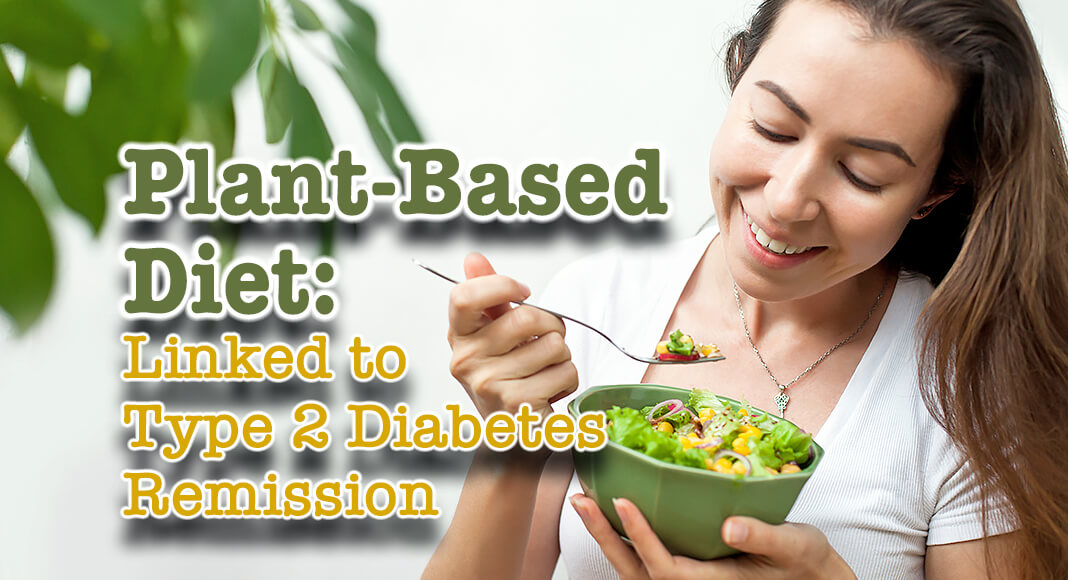
Whole-Food, Plant-Based Diet Linked to Type 2 Diabetes Remission

Translate to Spanish or other 102 languages!

Incorporating more vegetables into one’s diet could help with insulin resistance. Image for illustration purposes

Medical News Today

- Advertisement -
  • New research shows that lifestyle intervention, including eating a whole-food, plant-predominant diet, could result in type 2 diabetes remission.
  • Plant-predominant diets may help with the reversal of insulin resistance. 
  • Along with adopting healthier eating habits, weight loss, exercise, stress reduction, and avoiding alcohol can help treat diabetes.

Growing evidence supports the benefits of a whole-food, plant-based diet, which includes reduced blood pressure, lower cholesterol, improved heart health, and diabetes outcomes.

Follow the link below to read the full story on Medical News Today:

https://www.medicalnewstoday.com/articles/whole-food-plant-based-diet-linked-to-type-2-diabetes-remission?utm_source=Sailthru%20Email&utm_medium=Email&utm_campaign=dedicated&utm_content=2023-07-02&apid=&rvid=4ba4ec80177cae00eabc43b8bc6648d598c4a356d104663735777e0a0f8b5c9f

- Advertisement -

Information Source: https://www.medicalnewstoday.com

- Advertisement -

- Advertisement -

- Advertisement -

More Articles

$281 Million Unlocked to Bridge the Gap in Rural Medical Access

AUSTIN - Governor Greg Abbott announced the Texas Health and Human Services Commission (HHSC) will receive $281 million in federal funding for the second year of Rural Texas Strong, a five-year initiative to improve rural healthcare throughout the state.

Skin Myths Dermatologists Want You to Stop Believing Immediately

Have you ever wondered what a dermatologist's top skincare recommendations are

FDA Approves First Factor Xla Inhibitor to Help Prevent Stroke in Certain Adults at High Risk 

The U.S. Food and Drug Administration today approved Sunharbo (asundexian) 50 mg tablets, the first factor XIa (FXIa) inhibitor for use in combination with antiplatelet therapy to reduce the risk of stroke in adults following a recent mild-to-moderate non-cardioembolic ischemic stroke (a stroke caused by a clot that did not originate in the heart) or a high-risk transient ischemic attack (TIA), often called a “mini-stroke.” 

Practical Health Tips to Navigate Cold and Flu Season Safely

With cold and flu season in full swing, experts say there are some simple steps you can take to protect yourself and those around you.
- Advertisement -