








Mega Doctor News
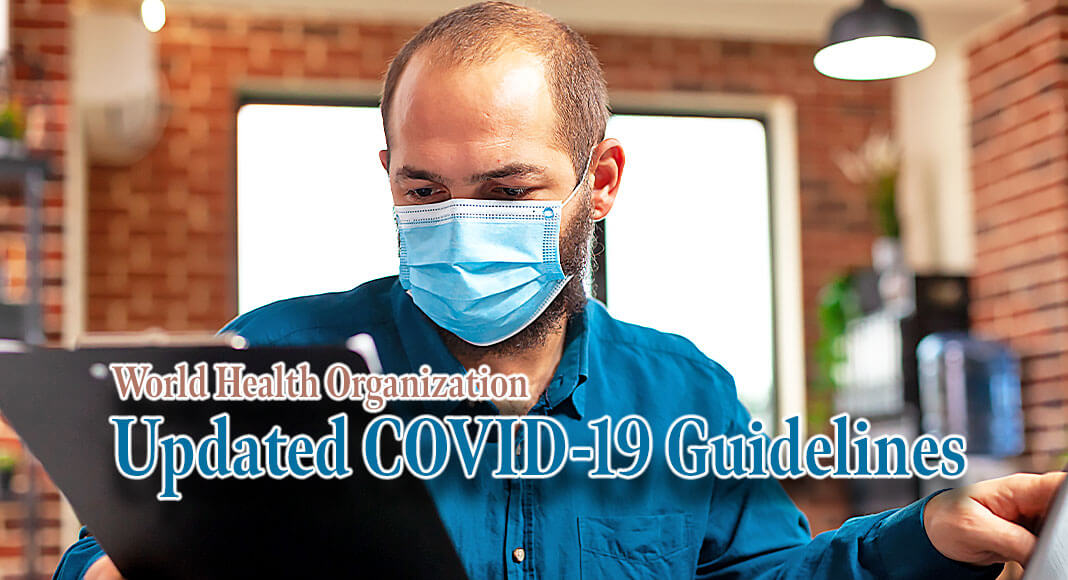
WORLD HEALTH ORGANIZATION has updated its guidelines on mask wearing in community settings, COVID-19 treatments, and clinical management. This is part of a continuous process of reviewing such materials, working with guideline development groups composed of independent, international experts who consider the latest available evidence and the changing epidemiology.
Masks continue to be a key tool against COVID-19
WHO continues to recommend the use of masks by the public in specific situations, and this update recommends their use irrespective of the local epidemiological situation, given the current spread of the COVID-19 globally. Masks are recommended following a recent exposure to COVID-19, when someone has or suspects they have COVID-19, when someone is at high-risk of severe COVID-19, and for anyone in a crowded, enclosed, or poorly ventilated space. Previously, WHO recommendations were based on the epidemiological situation.

Similar to previous recommendations, WHO advises that there are other instances when a mask may be suggested, based on a risk assessment. Factors to consider include the local epidemiological trends or rising hospitalization levels, levels of vaccination coverage and immunity in the community, and the setting people find themselves in.
Reduced isolation period for COVID-19 patients
For patients with symptoms, the new guidelines suggest 10 days of isolation from the date of symptom onset. Previously, WHO advised that patients be discharged 10 days after symptom onset, plus at least three additional days since their symptoms had resolved.
For those who test positive for COVID-19 but do not have any signs or symptoms, WHO now suggests 5 days of isolation compared to 10 days previously.
The patient can be discharged from isolation early if they test negative on an antigen-based rapid test.
Isolation of people with COVID-19 is an important step in preventing others from being infected. This can be done at home or at a dedicated facility, such as a hospital or clinic.
The evidence considered by the guideline development group showed that people without symptoms are much less likely to transmit the virus than those with symptoms. Although of very low certainty, evidence also showed that people discharged at day 5 following symptom onset risked infecting three times more people than those discharged at day 10.
Review of COVID-19 treatments
WHO has extended its strong recommendation for the use of nirmatrelvir-ritonavir (also known by its brand name ‘Paxlovid’).
Pregnant or breastfeeding women with non-severe COVID-19 should consult with their doctor to determine whether they should take this drug, due to ‘likely benefits’ and a lack of adverse events having been reported.
Nirmatrelvir-ritonavir was first recommended by WHO in April 2022. WHO strongly recommends its use in mild or moderate COVID-19 patients who are at high-risk of hospitalization. In December 2022, the first generic producer of the drug was prequalified by WHO.
WHO also reviewed the evidence on two other medicines, sotrovimab and casirivimab-imdevimab, and maintains strong recommendations against their use for treating COVID-19. These monoclonal antibody medicines lack or have diminished activity against the current circulating virus variants.
There are currently 6 proven treatment options for patients with COVID-19, three that prevent hospitalization in high-risk persons and three that save lives in those with severe or critical disease. Except for corticosteroids, access to other drugs remains unsatisfactory globally.
Note: The section on the isolation period was updated on 17 January 2023 for clarity.
Information Source: World Health Organization (WHO)


