








Mega Doctor News
Mayo Clinic News Network
Skin cancer is the most common cancer in the U.S. More than 6 million adults are treated for it each year, says Dr. Michael Colgan, a Mayo Clinic Health System dermatologist in Eau Claire, Wisconsin.
Melanoma is an aggressive form of skin cancer. In 2025, an estimated 104,960 cases of invasive melanoma will be diagnosed in the U.S., and an estimated 8,430 people will die of melanoma, according to the American Cancer Society. When detected early, however, the five-year survival rate for melanoma is 99%.

When it comes to who may be most at risk of developing melanoma, it is often thought that those with darker complexions do not have to take the same precautions as those with fair complexions. The reality is that no one is immune to melanoma.
While people with a darker complexion may have significantly increased protection from the sun, they are still prone to developing melanoma skin cancer. More commonly for those with a darker complexion, melanoma develops on the extremities — hands and feet — with worse tumors at the time of diagnosis and poorer subsequent outcomes if not caught early.
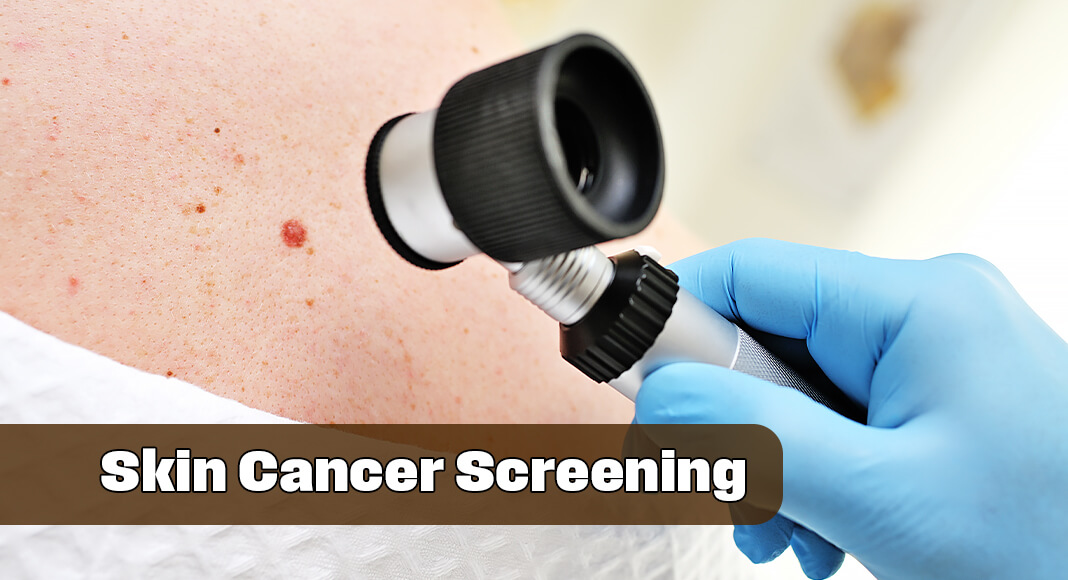
Skin checks
That is why it is incredibly important to become familiar with your skin and conduct regular skin exams at home.
| When performing skin checks, you’ll want to look out for: |
| A new growth on the skin that might look like a mole, bump or scab. |
| A rough patch on the skin. |
| A sore on the skin that won’t heal. |
| Changes to a mole or freckle — getting bigger or changing color. |
| Itchy skin around a skin growth. |
| Pain around a skin growth. |
Regardless of your skin color, if you notice any of the above, then you should see a healthcare professional. A skin check by a dermatologist usually only takes a few minutes, but that short time spent in the doctor’s office could add years to your life if skin cancer is detected early.
For higher risk individuals, including those with a personal or family history of melanoma, people over age 65, those with a suppressed immune system, people that burn easily, as well as those who have light-colored eyes and hair, a baseline evaluation with a dermatologist is critical and then continued at recommended intervals going forward, as determined by your healthcare team.
Most skin cancers can be prevented by taking a few simple precautions to protect yourself from the sun. It is recommended that you wear sunscreen year-round and reapply during peak sun conditions.


