








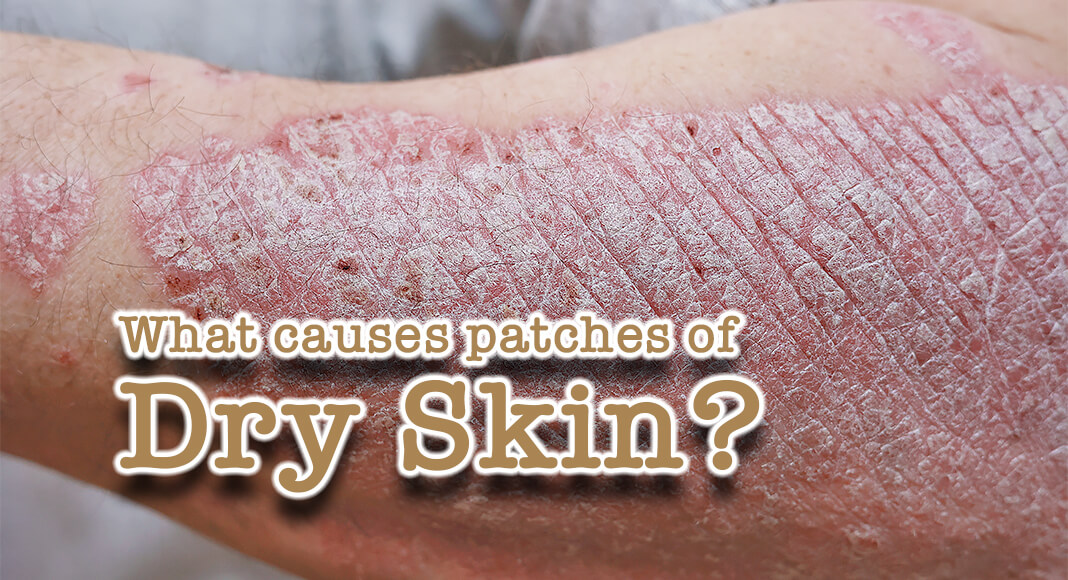
What causes patches of dry skin?

Translate to Spanish or other 102 languages!

It can result from a medical condition, such as allergies, dermatitis, and psoriasis. Image for illustration purposes
- Advertisement -

Dry skin patches can have many causes, including cold weather and the chemicals in some soaps and lotions. It can also result from a medical condition, such as allergies, dermatitis, and psoriasis.

Dry skin is a common problem during the winter months when the skin is exposed to colder temperatures and lower moisture levels in the air. In these cases, moisturizer is often enough to soothe and eliminate dry skin patches.

Follow the link below to read the full story on Medical News Today:

- Advertisement -

https://www.medicalnewstoday.com/articles/323973?utm_source=Sailthru%20Email&utm_medium=Email&utm_campaign=MNT%20Daily%20News&utm_content=2024-03-14&apid=&rvid=4ba4ec80177cae00eabc43b8bc6648d598c4a356d104663735777e0a0f8b5c9f

Information Source: https://www.medicalnewstoday.com

- Advertisement -
- Advertisement -

- Advertisement -

More Articles

Spotting Dehydration in Older Adults

As temperatures continue to heat up this summer, it’s important to keep a close eye on the older adults in your life.

$5.5 Million in Grants Awarded to Expand Texas Healthcare Services

Three Statewide Preceptorship Program (SPP) grants were awarded totaling $5.5 million to professional medical societies in Texas. The grants support hands-on training for Texas medical students in family medicine, general internal medicine, and pediatrics, including pediatric subspecialties. 

STHS Shares Essential Summer Food Safety Tips

Because most foodborne illnesses are preventable, proper food safety practices are key to keeping every summer meal safe.

How Puberty’s Hormonal Shifts Impact the Mental Health of Young Girls

Testosterone may play a bigger role in the emotional development of girls entering puberty than previously thought, according to new research from the University of Georgia.
- Advertisement -

