Mega Doctor News
HARLINGEN – As World Stroke Day – observed on Tuesday, October 29 – fast approaches, Valley Baptist Health System is encouraging the community to learn more about the signs, symptoms, and treatment of stroke.
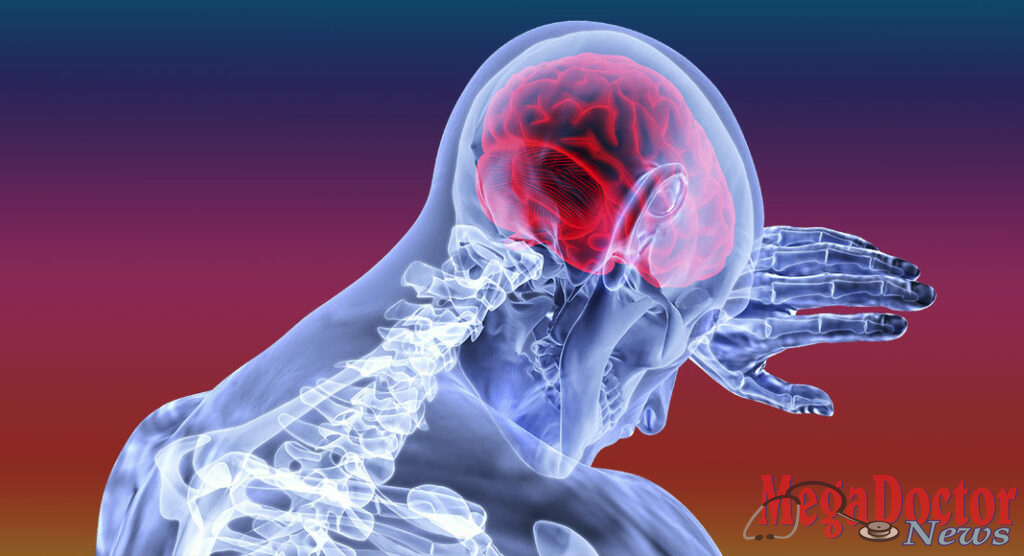
Stroke is a type of cardiovascular disease which affects the arteries leading to the brain and the arteries within the brain. A stroke occurs when a blood vessel that carries oxygen and nutrients to the brain is either blocked by a clot or bursts. When that happens, part of the brain cannot get the blood and oxygen it needs, and that part of the brain starts to die.
Without timely treatment, stroke can cause long-term disability and death. According to the American Stroke Association, stroke is the fifth leading cause of death and a leading cause of disability in the United States.

To help educate the community on the signs, symptoms, and treatments of stroke as well as ways to reduce the risk of stroke, Valley Baptist-Harlingen is recognizing World Stroke Day with a free community stroke health fair on Tuesday, October 29 from 4 – 6 p.m. in the Woodward Conference Center.
Dr. Ameer E. Hassan, DO, FAHA, FSVIN, Head of the Neuroscience Department, Director of Endovascular Surgical Neuroradiology and Director of Clinical Neuroscience Research at Valley Baptist Medical Center-Harlingen, said it is critical for Valley residents to learn the warning signs of stroke and to call 911 immediately if they or a loved one is experiencing stroke symptoms.
“It’s important to recognize these signs that a stroke is happening, because you can save a life,” he said. “The point to remember is that ‘time equals brain.’ A delay of even five or 10 minutes can make a big difference in the patient’s outcome.”
At Valley Baptist Medical Center in Harlingen and Brownsville, a clot-busting medication called tPA is used when medically indicated to reverse strokes – but in most cases the medication must be given within three hours from the start of symptoms of a possible stroke.
Dr. Luis Gaitan, Medical Director of the Stroke Program at Valley Baptist Medical Center-Brownsville, said that it is important for eligible stroke patients to receive tPA as soon as possible as part of their treatment.
“Valley Baptist-Brownsville continues to strive for excellence in the acute treatment of stroke patients, and part of that effort is making sure our patients are receiving the appropriate care as quickly as possible,” he said. “When it comes to treating a stroke, every second counts.”
Valley Baptist-Harlingen, the first and most experienced Certified Comprehensive Stroke Center in the Valley and south of San Antonio, also offers endovascular stroke treatments, during which blood clots are extracted by specially-trained endovascular neurologists using tiny mechanical devices which are inserted into the blood vessels through thin catheters or tubes.
Valley Baptist-Harlingen is also the only hospital in the region to harness the power of artificial intelligence to analyze the imaging results of stroke patients. The AI alerts physicians and healthcare providers when it discovers abnormalities in the images of the patient’s brain, which in turn significantly improves treatment times through earlier diagnosis, Hassan said.
Hassan said that improved communication among peers and continued education in the community will have a positive impact on patient care and outcomes, pointing to recent improvements in the Valley in treating stroke patients.
“What we’ve done in the Valley, in terms of increasing our IV-tpA numbers from 3 percent to 18 percent in a matter of a few years, and increasing the treatment, whether it be endovascular or IV-tpA, from 3 percent of patients to 30 percent, is amazing,” he said. “That’s happened because we’ve worked well with the community. We’ve focused on educating the community and first responders as well as local EMS. This is an exciting time for the treatment of stroke – and very relevant to the Valley, since we have so many people at risk for stroke, because so many people have high blood pressure and/or diabetes – and/or a high-cholesterol, high-fat diet.”
Survivors of stroke, along with their family members and caregivers, can also receive additional education and support during free H.O.P.E. (Haven Offering Patient Encouragement) Stroke Support Group meetings, which are held monthly at Valley Baptist-Harlingen. For more information about the Stroke Support Group, contact Kassandra Munivez at Kassandra.Munivez@valleybaptist.net, or call (888) 902-5433 (LIFE).
For more information about prevention and treatment for stroke, consult your physician and visit valleybaptist.net/our-services/brain-neuro.
BREAKOUT BOX
According to the American Heart Association/American Stroke Association, only eight percent of Americans can identify what each letter stands for in the “F.A.S.T.” acronym, which reminds people what to look for when it comes to a possible stroke:
“F” is for FACE: Ask the person to smile. Does one side of the face
droop?
“A” is for ARMS: Ask the person to raise both arms. Does one arm drift downward?
“S” is for SPEECH: Ask the person to repeat a simple phrase. Is their speech slurred or strange?
“T” is for TIME: If you observe any of these signs, call 9-1-1 immediately. Also note the time that symptoms of stroke first started; that will be important information to give to the medical professionals who treat the stroke victim.
Many hospitals and organizations are even adopting a new acronym, BE FAST. Recognizing that balance issues (B) and blurred vision (E for eyes) can also be important signs of stroke, they have been added to the acronym, encouraging the community to BE FAST should they experience any of the signs or symptoms of stroke.