








Vaccinating children against COVID-19 can prevent tragedy

Translate to Spanish or other 102 languages!

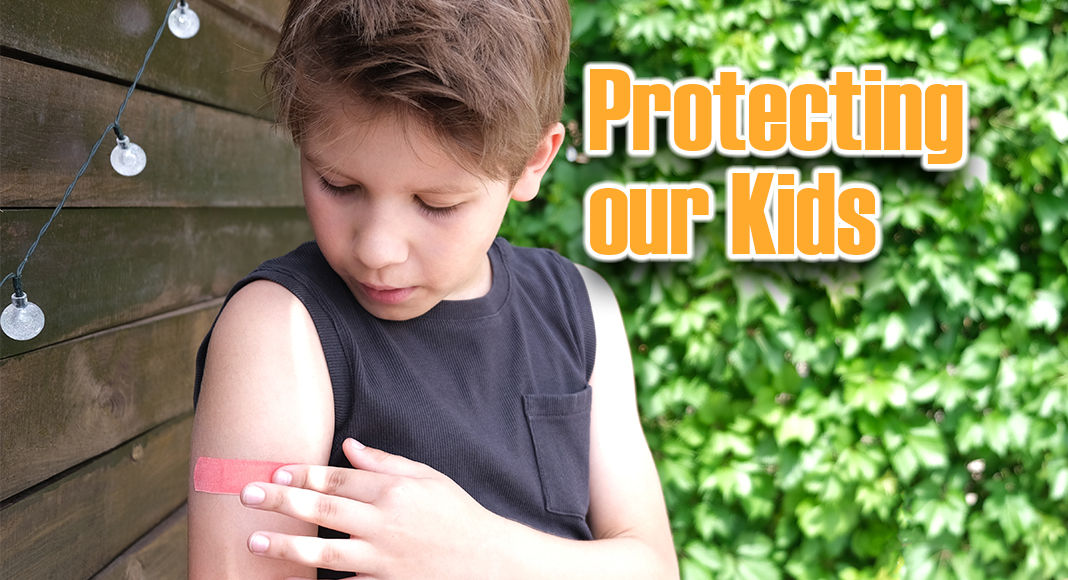
Protection is exactly what the vaccines provide – they protect the children, their families, and everyone they interact with. Image for illustration purposes.

Mega Doctor News

- Advertisement -

by Cornell University

Three in 10 parents say they will “definitely not” get their 5- to 11-year-old vaccinated against COVID-19, according to new data from the Kaiser Family Foundation.

Neil Lewis, Jr., a behavioral scientist at Cornell University who was not involved with the study, has been part of several efforts to increase access and increase vaccine confidence. He says vaccinating children against coronavirus will prevent more tragedies.

Lewis says:

“I can understand why parents might be a little nervous – they just want to protect their children. But protection is exactly what the vaccines provide – they protect the children, their families, and everyone they interact with. The data shows that the vaccine provides high levels of protection from COVID-19 and does so with minimal side effects.

“We are extremelyfortunate in this country to be at a point where we can offer this level of protection to children and their families. More than six million children in the U.S. have been infected so far, and more than 600 have died. It’s tragic that so many families have had to bury their little ones so soon. But we can prevent more of those tragedies from happening. We now have the tools at our disposal to protect our children and other loved ones. I hope we’ll use them.”


- Advertisement -
- Advertisement -

- Advertisement -

More Articles

DHR Health Transplant Institute Earns Top State and National Rankings

The DHR Health Transplant Institute announced today that it has been recognized among the state’s and nation’s top performing kidney transplant centers, earning the no. 2 ranking in the State and no. 16 ranking in the Nation, according to the Scientific Registry of Transplant Recipients (SRTR).  

New Noninvasive Tech Tracks Infant Vital Signs Without Wires

In the neonatal intensive care unit, the most fragile patients in medicine are often the most heavily wired. Premature babies, some weighing less than a pound, can be tethered to a tangle of cables, monitors, and sensors. Each blood draw to check sugar levels or electrolytes means another needle, another bandage, another moment of stress for an infant whose skin is still forming.

STHS McAllen Receives National Award for Advancing Cardiac Arrest Care & Improving Patient Survival

In the moments following cardiac arrest, every second counts. Rapid intervention, seamless teamwork and evidence-based care can make the difference between life and death.

STHS GME Consortium Welcomes Incoming Class of 65 Medical Residents

The future of healthcare in the Rio Grande Valley is brighter than ever as 65 new medical residents begin their training through the South Texas Health System (STHS) GME Consortium.
- Advertisement -

