Mega Doctor News

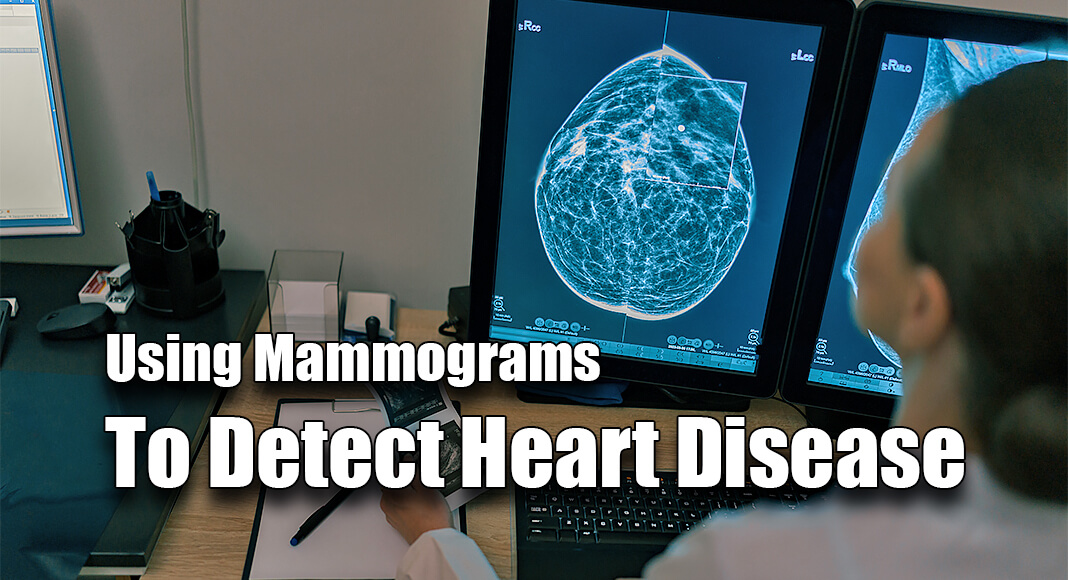
Newswise – In a new study published Sept. 27 in JACC: Advances, researchers with University of California San Diego School of Medicine have found that mammograms could be used as a predictor of cardiovascular disease in women. The retrospective study reviewed nearly 20,000 anonymized mammograms to measure the amount of breast arterial calcification (BAC), or calcium build up in the arteries of the breast, which has been historically viewed as an incidental finding on mammograms.
The results were then quantified by using an artificial intelligence-generated score and found that BAC was present in 23% of the cases. BAC is especially predictive of future cardiovascular events among younger women. According to lead study author Lori Daniels, MD, cardiologist at UC San Diego Health, BAC is not yet an established cardiac risk factor, but she’s hopeful this research could help implement measurement of BAC into clinical practice in the near future. Daniels is available for interviews to discuss the research and its findings.

Biography :

Lori B. Daniels, MD, is a board-certified cardiologist. She works with patients on prevention of cardiovascular disease, as well as management of coronary disease, hypertension, hypercholesterolemia, and other cardiovascular problems. She believes good communication with her patients is an important part of the physician-patient relationship, and strives to provide evidence-based yet individualized care to each one.
Daniels is a professor of medicine at UC San Diego School of Medicine. She lectures to physicians, medical students and the general public on topics such as screening for cardiovascular disease, cardiovascular disease prevention, women’s cardiovascular health, and late cardiovascular outcomes in adults with a history of Kawasaki disease.