







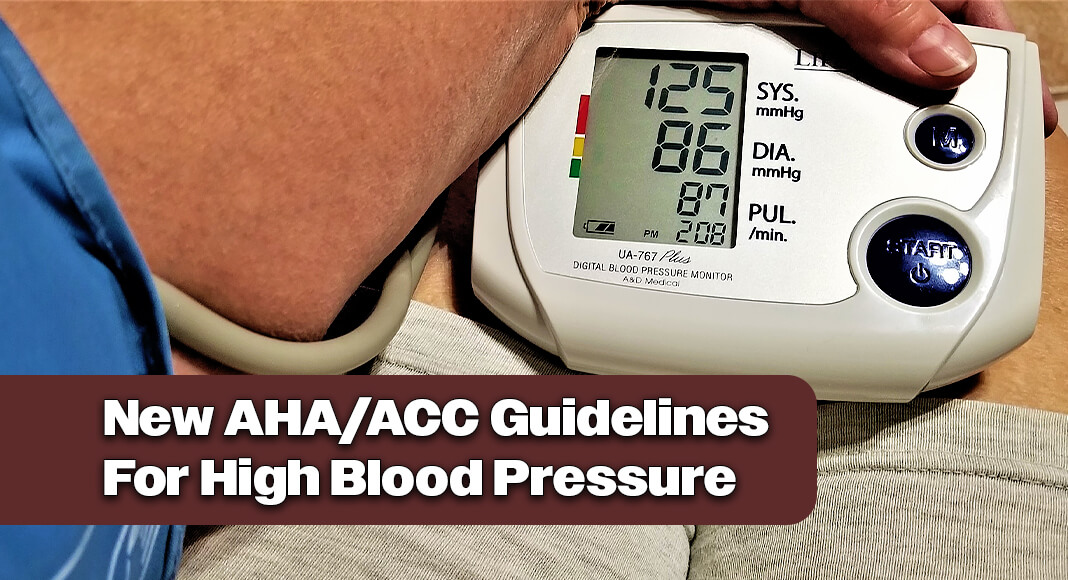
Mega Doctor News

American Heart Association
• 1. There is stronger proof now that high blood pressure is linked to increased risk of cognitive decline and dementia. If you have high blood pressure, lowering it now may help protect your brain health in the future.
• 2. High blood pressure is the leading risk factor for stroke and a number of heart conditions such as coronary artery disease, heart failure and atrial fibrillation (AFib).

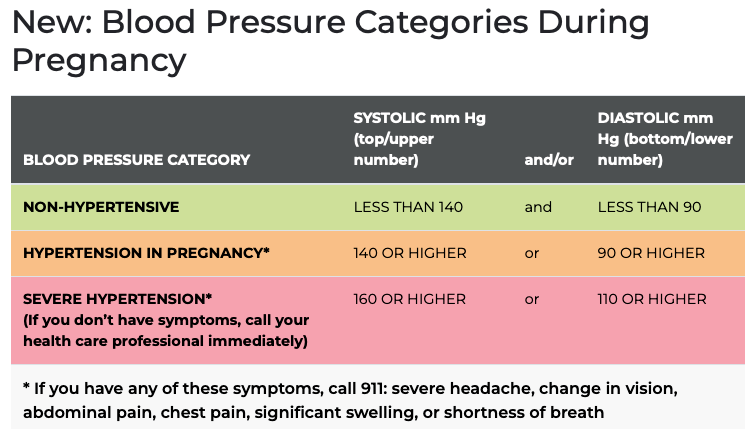
• 3. During or after pregnancy, you can develop high blood pressure, including a dangerous condition called preeclampsia. Checking blood pressure before, during and after pregnancy helps you and your health care team stay on top of your health. Talk to your health care professional about treatment options.
• 4. Know your numbers: Normal blood pressure is when:
- Systolic pressure (top number) is less than 120 and
- Diastolic pressure (bottom number) is less than 80
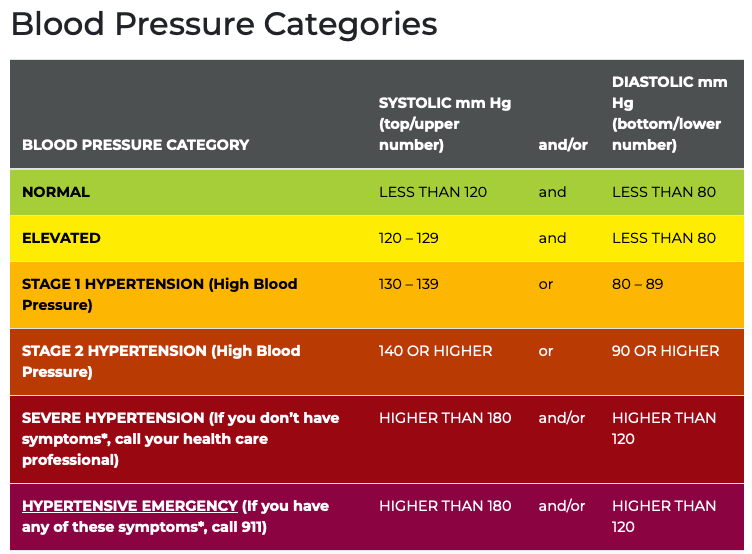
If your blood pressure is higher, talk to your health care professional about how to lower it.
If your systolic is higher than 180 and/or your diastolic is higher than 120, it could be life-threatening. Call 911 right away if you have any of these symptoms:
- Chest pain
- Shortness of breath
- Back pain
- Numbness
- Weakness
- Change in vision
- Difficulty speaking
• 5. Anyone can develop high blood pressure. People are encouraged to have their blood pressure checked regularly. This includes people in all age groups: children, young adults, adults and older adults.
• 6. To get the best blood pressure reading, sit in a chair with support for your back, both feet flat on the ground, arm extended and supported at heart level, stay quiet and still.Find out how to check your blood pressure the right way.
• 7. In addition to lifestyle changes, you may need medication. Learn more about the different types of high blood pressure medications.
• 8. Eating a healthy diet can help lower or prevent high blood pressure. Some key nutrition information to know:
- Sodium (Salt) – Adults should have 2,300 mg (about 1 teaspoon of salt) of sodium a day or less, moving toward an ideal limit of less than 1,500 mg (about 2/3 teaspoon of salt). Follow a heart healthy eating pattern, for example the DASH eating plan, which emphasizes reduced sodium intake and a diet high in vegetables, fruits, whole grains, legumes, nuts and seeds, and low-fat or nonfat dairy, and includes lean meats and poultry, fish and cooking with non-tropical oils.
- Fruits and Vegetables – Eat plenty of fruits and vegetables, emphasize variety.
- Alcohol – Drink less or no alcohol to lower or prevent high blood pressure.
• 9. For individuals living with excess weight, losing about 5% of body weight can support overall health and help lower or prevent high blood pressure. Here’s an example. If someone weighs 180 pounds, they could look up: what is 5% of 180. The answer is 9. Losing 9 pounds can help lower their blood pressure.
• 10. Check out Life’s Essential 8 to learn more about what you can do to improve your heart and brain health. To help manage blood pressure, eat smart with a DASH-style eating pattern, stay active your way, reduce or eliminate alcohol, and try stress-reducing activities, including meditation, breathing control and/or yoga. It’s also important to ask your health care professional about other common health conditions that can lead to high blood pressure, which include conditions such as overweight, sleep apnea, diabetes and thyroid problems.


