







Mega Doctor News

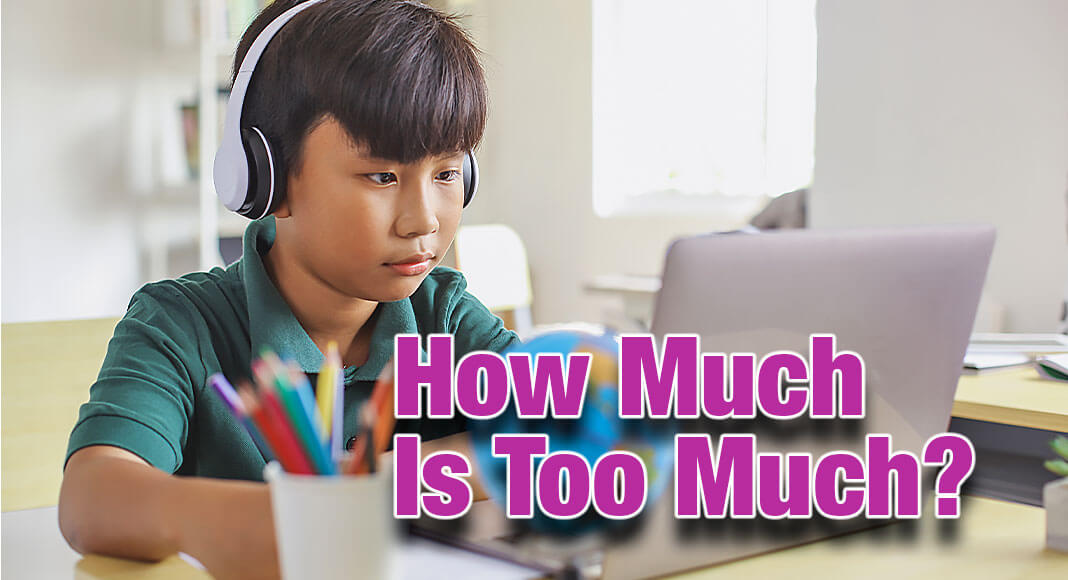
CLEVELAND CLINIC – Between watching TV, spending time on cellphones and using laptops for school, kids are spending a lot of time on screens these days, and research has shown that can cause issues for their eyes.
“From 1971 to now, we have seen a doubling of the rate of myopia or nearsightedness, and we think that that is related to a combination of things, but mostly environmental factors of being inside and looking at near things like reading, and also screens, like small screens and then also not spending as much time in the sunlight,” said Allison Babiuch, MD, pediatric ophthalmologist for Cleveland Clinic.
Dr. Babiuch said they often refer to the issue as “digital eye strain” – which includes symptoms like headaches, dry eye feeling and blurry vision.

Ideally, she said the best way to treat that is by cutting down on screen time. However, that’s not always possible.
If that’s the case, she recommends using the 20-20-20 rule. For every 20 minutes of screen time, you give your eyes a 20 second break and try to look 20 feet away.
“Other things you could do, depending on how severe your symptoms are, is trying to remember to blink, which can be hard to remind yourself to blink. But, even just resting your eyes, closing them for a few seconds can help. Some people do use artificial tears to help re-lubricate their eyes. Usually you don’t have to do that if you can take enough breaks and limit the screen time,” she said.
Dr. Babiuch said the good news is that symptoms related to digital eye strain are all temporary and shouldn’t cause any long-term side effects.
If your child’s vision problems persist, you should talk to an eye doctor.


