



loader image
Wednesday, January 28, 2026
71.2 F
McAllen
- Advertisement -

Tips for Spotting and Removing Ticks

Tick season is back. An emergency medicine physician talks about how to keep an eye out for those little critters and what to do if you get bit.

Translate to Spanish or other 102 languages!

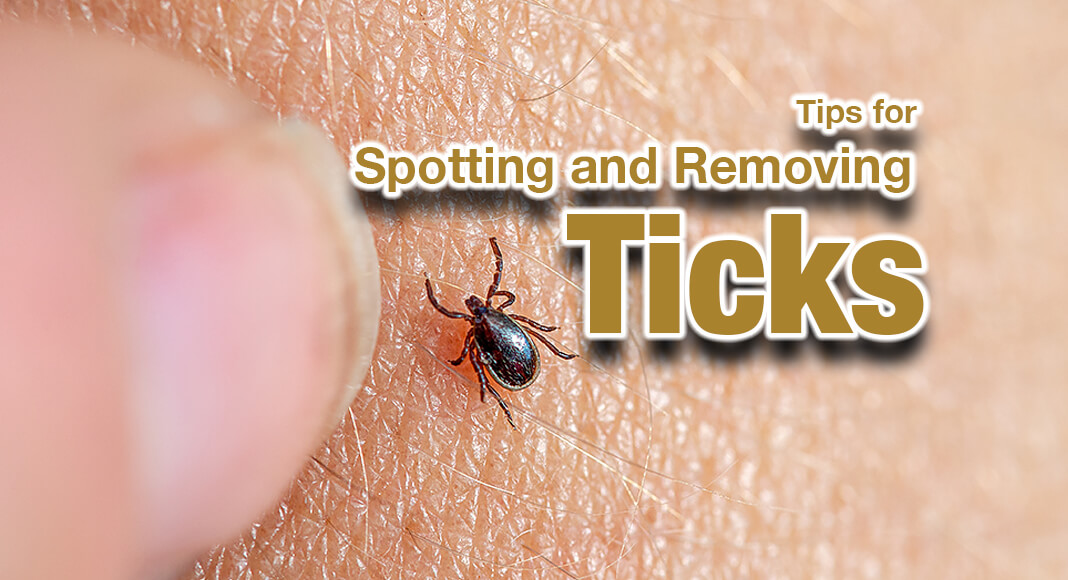
 Tick season is back, and if you enjoy spending time outdoors, it’s important to keep an eye out for those little critters. Image for illustration purposes
 Tick season is back, and if you enjoy spending time outdoors, it’s important to keep an eye out for those little critters. Image for illustration purposes
- Advertisement -

CLEVELAND CLINIC – Tick season is back, and if you enjoy spending time outdoors, it’s important to keep an eye out for those little critters.

Christopher Bazzoli, MD, emergency medicine physician with Cleveland Clinic, said they can carry all kinds of diseases.

“They can carry Lyme disease, which is transmitted by the deer tick. We also have Rocky Mountain spotted fever, which is transmitted by the dog tick. It’s not just in the Rockies,” said Dr. Bazzoli. “And then we even have illnesses caused by ticks that aren’t necessarily from things like a virus or protozoa, things like alpha-gal syndrome, where people bitten by tickets actually become allergic to a protein in red meat.”

- Advertisement -

Dr. Bazzoli said ticks are typically found in wooded areas or places with tall grass where they can crawl onto their prey.

To help avoid being bit, he recommends using tick repellent and wearing long sleeved, light-colored clothing.

You can also tuck your pants into your socks and your shirt into your pants.That way the tick can’t get to your skin.

If a tick does wind up biting you, he said it’s very important to make sure you properly remove the tick.

- Advertisement -

The best method is to use a pair of tweezers.

“When we go to remove a tick, we’re not doing anything wild like burning a tick off, we don’t need any heat, anything like that. Simply get a good pair of tweezers, you’re going to go where the head is attached into the skin and you’re going to pull straight up. So nice simple movement, nice steady pressure,” he advised.

Dr. Bazzoli said once you remove the tick, be sure to wash the area with soap and water so it doesn’t get infected.

You should also be on the lookout for any symptoms like a fever, chills, aches, pains and rashes.

If they become severe, it’s best to seek medical attention.

And don’t forget about your pets. They can also get bit by a tick.

- Advertisement -
- Advertisement -

- Advertisement -

More Articles

New Data Shows Nursing Homes Strengthening Workforce Despite Ongoing Shortages 

 The American Health Care Association (AHCA), the nation’s largest organization representing long term and post-acute care providers, released updated data showing that nursing homes continue to make progress in strengthening their workforce.

Three Travel‑Related Measles Cases Prompt Health Alert in West Texas

The Texas Department of State Health Services is announcing three confirmed cases of measles in non-Texas residents who spent time in Reeves and Ward counties.

Measles Cases in South Carolina Surpass West Texas Outbreak as Numbers Climb Rapidly

A rapidly growing measles outbreak in South Carolina has now sickened at least 789 people — surpassing the 2025 West Texas outbreak and making it one of the largest U.S. measles outbreaks in decades.

Altered Sleep–Wake Cycles Linked to Dementia Development

isruptions in patterns of daily activity and rest may provide early clues to heightened dementia risk, a study co-led by a UT Southwestern Medical Center scientist found. The research, published in Neurology, suggests data from a widely used heart monitor could help identify circadian rhythm changes associated with dementia in older adults. 
- Advertisement -
×