








The Overlooked Mental Health Side of Menopause

Translate to Spanish or other 102 languages!

When it comes to menopause, we often hear about how it can impact a woman’s physical health, but it can affect mental health too. Image for illustration purposes
- Advertisement -

CLEVELAND CLINIC – When it comes to menopause, we often hear about how it can impact a woman’s physical health, but it can affect mental health too. 

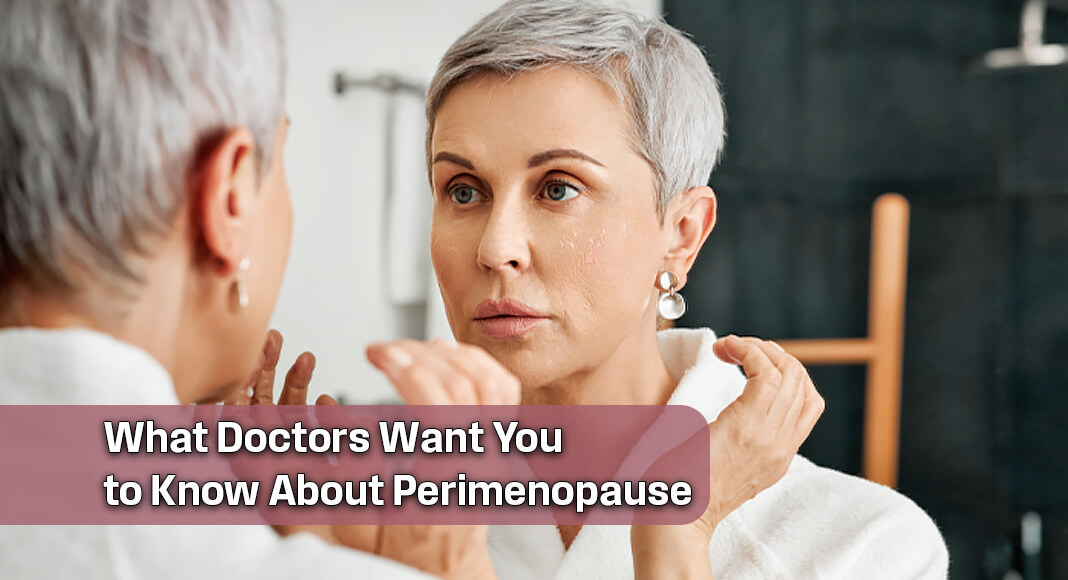
“Menopause technically, it starts when you have your last final menstrual period. But for a lot of women, they start to experience mood changes well before that, in that period that we call either the late reproductive stage or perimenopause, as is more commonly known. And that can start almost a full 5 to 10 years before your final menstrual period,” said Lulu Zhao, MD, a physician who specializes in mood disorders at Cleveland Clinic. 

Dr. Zhao said during perimenopause, a woman’s hormone patterns can become erratic, which can in turn impact mental health. 

- Advertisement -

For example, they may start to feel more irritable, lack patience or even experience symptoms of anxiety and depression. 

She said these changes can worsen mood symptoms we might already be prone to because of life stressors or other changes that tend to occur during this time of life. 

The good news, however, is that there are many treatment options available.

“We have a lot more tools in our box than we used to have. Truthfully, treatment has to be individualized for every woman because it depends on what her symptoms are, how severe they are, what phase of the menopausal transition she’s in, and what are her medical histories that might make certain treatments safer than others,” she said.

- Advertisement -

Dr. Zhao said there are also lifestyle changes a woman can make to help improve mental health, including improving sleep, diet and regularly exercising. 

- Advertisement -
- Advertisement -

- Advertisement -

More Articles

The Science Behind Why Dietary Changes Rarely Stick

Learning new eating habits isn’t simple. Our pre-existing feelings around food—whether it’s a distaste for olives or a love of pastries—could make it harder to learn new eating habits, according to new research from Yale School of Medicine.

STHS Hospitals Urge Community Action Against Bullying

Whether it comes in the form of hurtful words, social exclusion or online harassment, bullying can take a serious toll on a person's mental, emotional and social well-being.

STHS Children’s Annual Children’s Fall Festival, Oct. 23rd

Calling all little ghosts, goblins, princesses and superheroes! With Halloween just around the corner, it's almost time to put on those costumes and get ready for an eerie-sistibly exciting celebration. 

STHS Children’s & Spirit Halloween’s Halloween Party for Pediatric Patients, Oct. 14th

Being in the hospital can be an overwhelming experience for anyone, especially children. Between unfamiliar surroundings, separation from friends and family, and the need to undergo medical procedures, young patients can often face added stress and anxiety during their hospital stay.
- Advertisement -

