







Mega Doctor News

Newswise — Wearing sunscreen every day, even if you are outside only for short periods, is an important step in keeping your skin looking healthy and preventing skin cancer.
According to the Skin Cancer Foundation, daily use of at least an SPF 15 sunscreen can lower your risk of developing melanoma, the deadliest type of skin cancer, by 50 percent. The best sunscreen is broad spectrum, which protects against both the rays that burn skin and the rays that cause aging and tanning. The protection level largely depends on what you’ll be doing when you are wearing sunscreen. If you spend the majority of your day inside, SPF 15 should provide plenty of protection. If you spend more time outdoors during the hottest part of the day, you’ll want a higher SPF and maybe even one that is also water and sweat-resistant.
What does SPF mean?

SPF stands for “sun protection factor.” The number indicates how long the sun’s UVB rays would take to redden your skin compared with the amount of time without sunscreen. So, if you use an SPF 30 product exactly as directed, it would take you 30 times longer to burn than if you used no sunscreen at all.
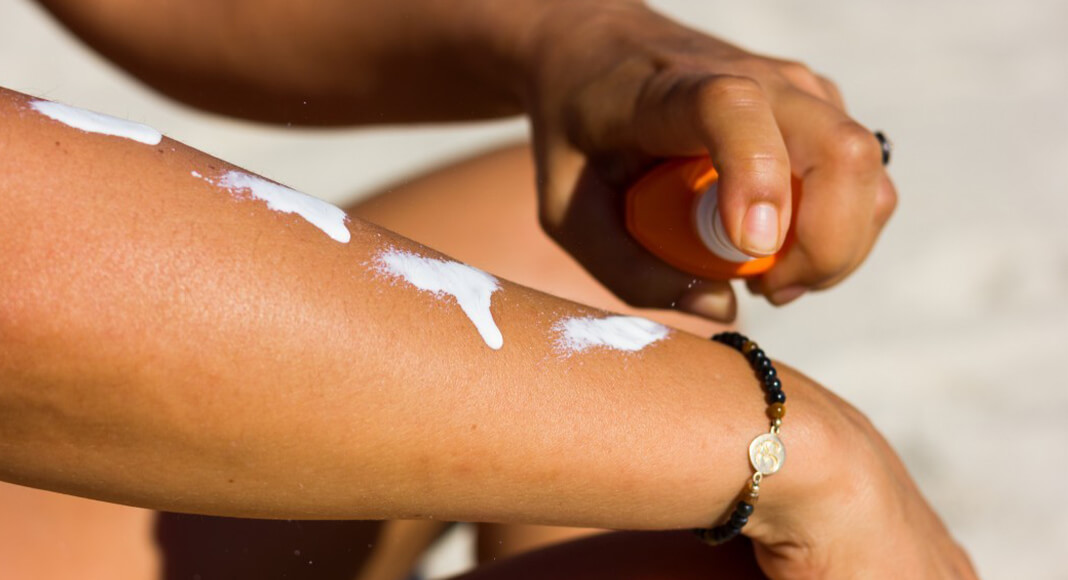
Slather it on!
Did you know that most people don’t apply enough sunscreen? To get the most protection — and the protection that’s on the label — you’ll need to completely cover your body. Don’t forget to apply it to your ears, scalp, feet and neck! You will need to apply this amount even on cloudy days, because the sun’s UV rays can penetrate clouds.
After you apply the sunscreen, make sure to add other layers of protection such as wide-brimmed hats and UV-blocking sunglasses.
Don’t forget to reapply. As a general rule, sunscreen should be reapplied every two hours, especially if you have been swimming or sweating.
Check the date
Sunscreens have an expiration date—a date when they are no longer effective. Most sunscreens are designed to keep their original strength for up to three years. Discard sunscreen that is expired or over three years old. Sunscreens that have been exposed to high temperatures or have obvious changes in color or consistency should also be discarded.
We all look forward to spending time in the sun. Sunshine helps to build levels of vitamin D, which is good for our bodies, bones and even our mental health. Let’s have a sun-safe summer by protecting our skin too.
Speak with your doctor right away, if you notice any skin changes.


