








Mega Doctor News
Frequently complex in nature, brain and spinal cord injuries and illnesses require specialized care for a patient’s successful recovery.
A relatively recent innovation in modern medicine, a neurological intensive care unit (neuro ICU) allows highly trained physicians and staff to provide specialized expertise, including neuroprotective care, to patients requiring round-the-clock medical attention.
“From severe strokes to traumatic brain injuries, neuro ICUs playing an integral role in improving patient outcomes,” says Krystal McCloud, MSN, RN, CCRN, Director of Nursing, Intensive Care Unit, South Texas Health System (STHS) McAllen. “Studies suggest that these highly specialized units lead to lower death rates, shorter hospital stays and improved long-term functional recovery for patients.”

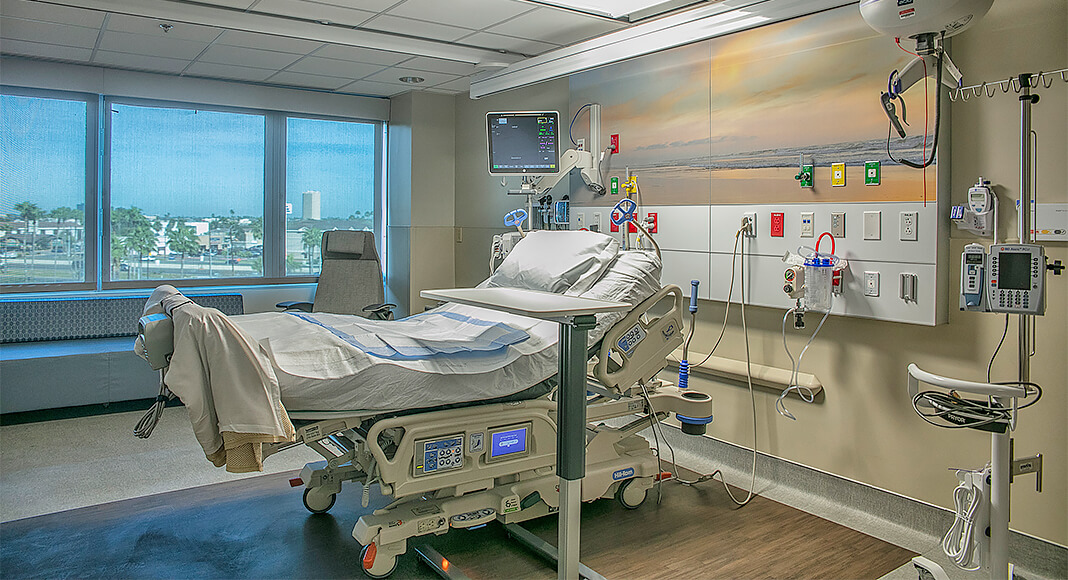
Recognizing the importance of a neuro ICU to support the hundreds of patients admitted to its Comprehensive Stroke Center, STHS McAllen launched its own unit in December 2025, following a $12 million renovation project.
Housed in a completely reconditioned space on 4 West, the facility’s 18-bed neuro ICU provides continuous monitoring and advanced treatment for patients with complex neurological injuries and conditions, including brain injury, hemorrhage, trauma or tumors, stroke, seizures and spinal cord injuries.
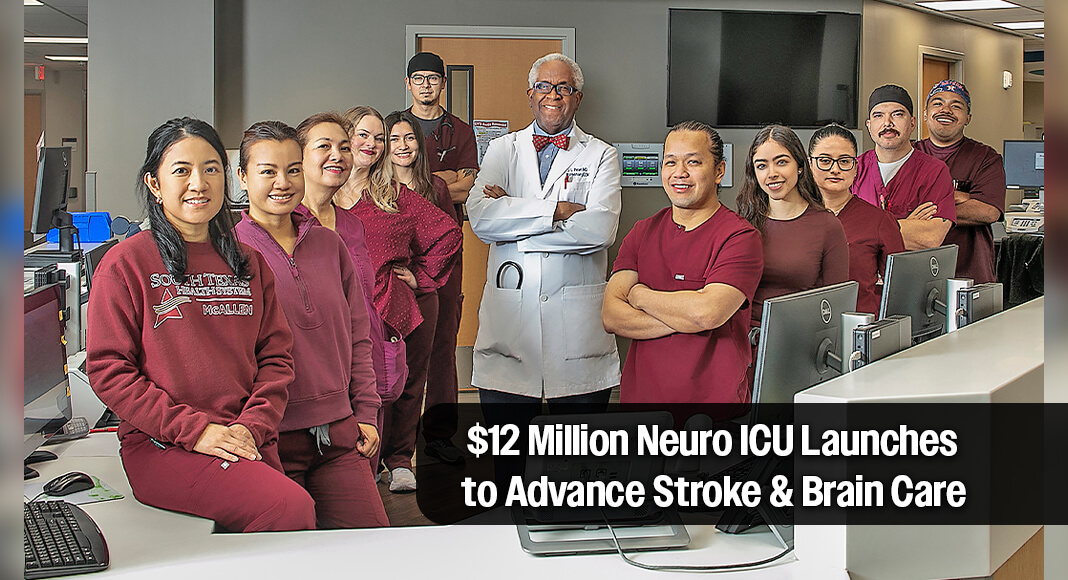
The multidisciplinary team in STHS McAllen’s Neuro ICU includes neurocritical care-certified physicians and staff, including 57 registered nurses currently certified in emergency neurological life support.
“From neurologists and neurosurgeons to highly trained nurses, respiratory therapists, pharmacists and physical, occupational and speech therapists, the Neuro ICU team features specialists with a wide range of expertise to provide individualized care aimed at improving patient outcomes,” says J. Leslie Péan, MD, Medical Director, STHS McAllen’s Neuro ICU. “Committed to evidence-based treatment methods that support the highest possible level of care, our team develops integrated plans for each patient that address the physical, cognitive, nutritional and social needs to create coordinated, patient-centered plans for recovery.”
To date, STHS McAllen has treated nearly 100 patients in its neuro ICU, with improved patient outcomes and satisfaction reported.
“Our neuro ICU is transforming the care of critically ill neurological patients, offering a lifeline with highly specialized care that is helping enhances survival and recovery,” says Emma Montes-Ewing, Chief Executive Officer, STHS McAllen. “Acting as a cohesive unit and leveraging the diverse skills of the neuro ICU, our team is helping navigate the complexities of neurological critical illness and injury while offering safe, effective and quality compassionate care to patients requiring 24/7 attention.”
To learn more about the neuro ICU at STHS McAllen, visit sthsmcallen.com.


