








Mega Doctor News

At the time of diagnosis, life with Parkinson’s disease can be difficult to fully imagine. The condition is complex and often unpredictable, affecting much more than movement alone.
While symptoms like tremors, muscle stiffness and slowed movement are widely recognized, many individuals with Parkinson’s also experience nonmotor challenges, including sleep disturbances, chronic pain, fatigue, anxiety and depression. These symptoms can be just as impactful, and sometimes even more disruptive, than the physical effects, significantly influencing daily life and overall wellbeing.
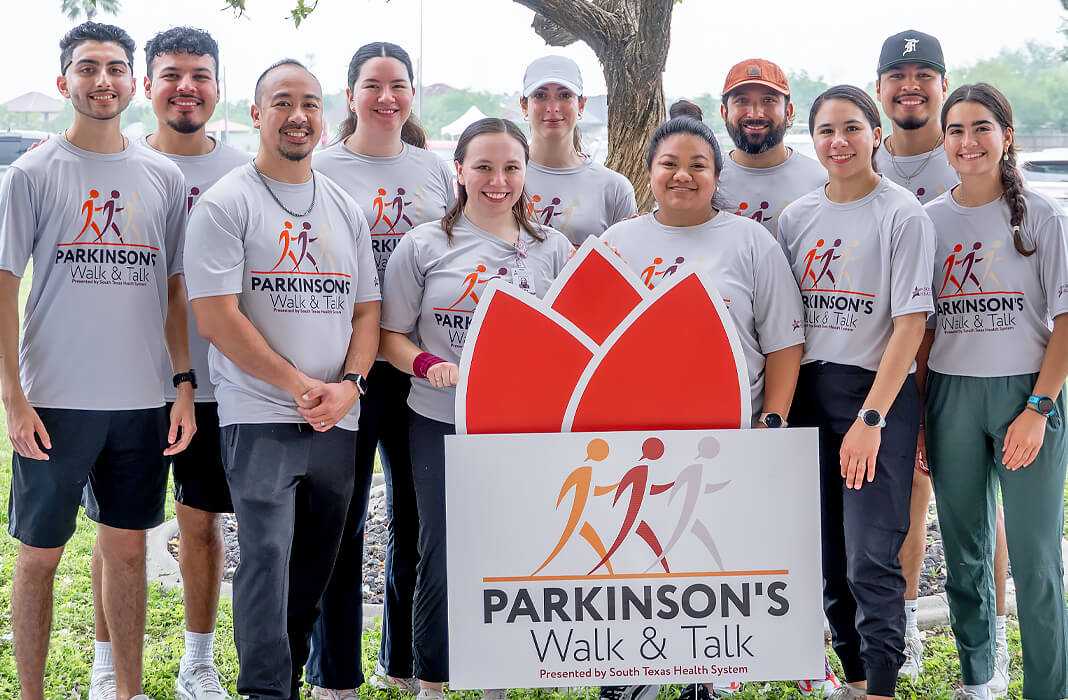
“Parkinson’s is a progressive disorder of the nervous system that slowly, and often quietly, reshapes a person’s life,” says Abby GarzaLeal, OTR, OTD, Doctor of Occupational Therapy at South Texas Health System (STHS) McAllen. “In the beginning, the signs can be so subtle—a faint tremor in a hand, a foot, or even the jaw—that they’re easy to overlook. But as the disease progresses, those minor changes can grow into stiffness, difficulty moving, and challenges with balance and coordination. Over time, these shifts can increase the risk of falls and gradually erode independence, affecting not just how people move, but how they experience their everyday lives.”

Parkinson’s disease ranks second only to Alzheimer’s as the most prevalent neurodegenerative condition, impacting a rapidly growing population in the United States.

While approximately 500,000 people have received a formal Parkinson’s diagnosis, experts believe the actual number is significantly higher due to underdiagnosis and misdiagnosis. Current estimates suggest that nearly one million people may be living with Parkinson’s today, with projections indicating that the number of cases will continue to rise in the coming years.
“Parkinson’s disease affects far more than the person who receives the diagnosis,” says Garza Leal, who leads the monthly Parkinson’s Support Group at STHS McAllen. “As symptoms progress, families and caregivers often take on increasing responsibilities, facing emotional strain, financial pressures, and the everyday challenges of providing care. Spouses, children, and loved ones may experience caregiver burnout, shifts in family roles and tough decisions about long-term support—reminding us that Parkinson’s is a disease that impacts entire families, not just patients.”
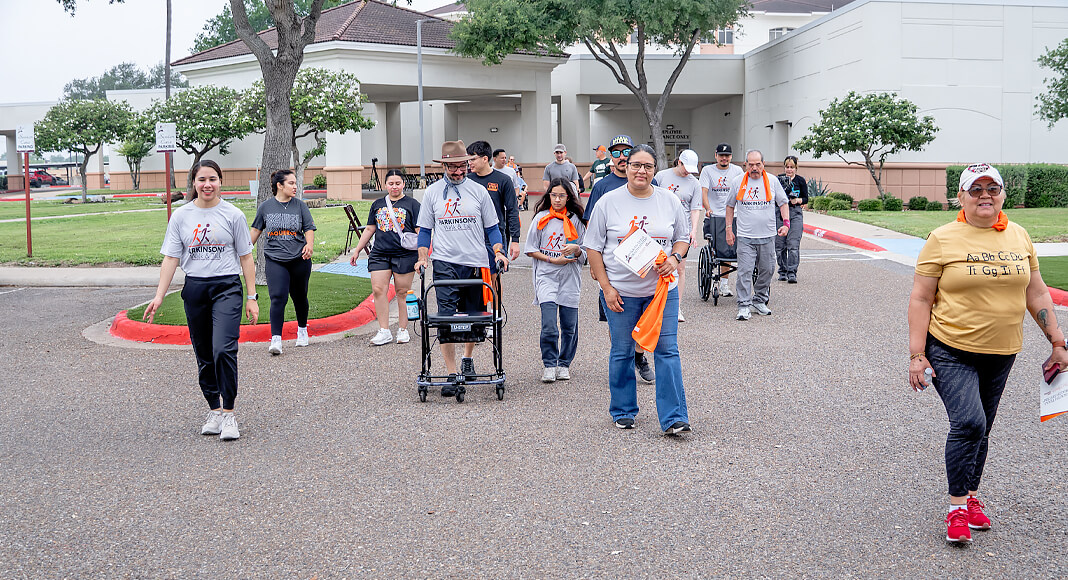
To help raise awareness of the progressive neurodegenerative disorder in the Rio Grande Valley this Parkinson’s Awareness Month, STHS hosted its inaugural Parkinson’s Walk & Talk on Saturday, April 25, 2026.
In recognition of Parkinson’s Awareness Month, South Texas Health System hosted its inaugural Parkinson’s Walk & Talk on Saturday, April 25, 2026, helping raise awareness of the progressive neurodegenerative disorder across the Rio Grande Valley.
Held in the main parking lot at STHS Edinburg, the community event emphasized the importance of staying active while living with Parkinson’s and created a supportive space for nearly 50 participants, including individuals diagnosed with Parkinson’s, their families, caregivers and community members, to connect, share experiences and build meaningful relationships.
During the walk around the STHS Edinburg campus, participants visited educational stations staffed by occupational, physical and speech therapists from the outpatient rehabilitation centers at STHS McAllen and STHS Edinburg, along with physical and occupational therapy students from South Texas College and The University of Texas Rio Grande Valley. Together, they shared practical strategies designed to help manage Parkinson’s symptoms, promote mobility and support overall quality of life.
“Events like this remind us that we’re not walking this road alone,” said Edward Cantu, a Parkinson’s patient who has been actively involved in STHS McAllen’s Parkinson’s Support Group since its launch in February 2025. “Living with Parkinson’s can feel isolating at times, but being able to move, learn and connect with others who truly understand what this journey looks like brings comfort, strength and hope. It reminds me that there’s still so much life to live; and that keeps me going.”
To learn more about the rehabilitation services available through STHS, including the Parkinson’s Support Group, visit southtexashealthsystem.com.


