








Mega Doctor News
As summer kicks off across the United States, children and families across the Rio Grande Valley will be taking part in entertaining activities like swimming, bike riding, camping, beach outings and an abundance of outdoor fun.
Unfortunately, those activities bring with them an increased risk of accidents, injuries and illnesses for kids.
From bicycle and playground injuries, heat-related illnesses and water-related accidents, about one million children are rushed to emergency rooms across the United States between June and August, per the Centers for Disease Control and Prevention, with approximately 29% of all ER visits occurring during these months involving kids.

The increase is due to several factors, including increased outdoor activity, travel and heat-related risks.
“Children may be more at risk of being injured or ill during the summertime simply because they’re more likely to be more active and engage in activities that carry some degree of risk, especially anything done in the South Texas heat, which can be especially brutal in the summer months,” says Kimberly Davis, MBA, BSN, RN, Pediatric Administrator, South Texas Health System Children’s. “But by taking a few extra precautions, kids can enjoy their well-deserved summer break without pain, injury or a trip to the emergency room.”
So, as the summer season heats up, South Texas Health System Children’s offers parents and caregivers the following tips to help keep kids and families safe this summer season:
Watch for signs of heat exhaustion: Symptoms can include muscle cramps, pale or moist skin, nausea, vomiting, diarrhea, headache, fatigue and weakness. To prevent heat exhaustion, take breaks and drink plenty of fluids while out in the heat.
Prevent dehydration by staying hydrated: Not drinking enough water can lead to severe dehydration, especially when spending time outdoors, so, ensure children are properly hydrated and encourage them to carry a water bottle to remain hydrated throughout the day.
Prevent sunburn: To avoid harmful UV radiation, it’s best to minimize sun exposure between 10 a.m. and 4 p.m., when the sun’s rays are strongest. Even on cloudy days, protect your skin and eyes with sun protection measures like clothing, hats, and sunglasses Apply a UVA/UVB sunscreen at least 20 minutes before going outside and use SPF 30 or higher. Reapply every two hours and more often if swimming or taking part in activities that result in heavy sweating.
Be cautious around pools and bodies of water: Don’t leave kids by themselves near a body of water. Invest in life jackets and keep kids close when spending time around water.
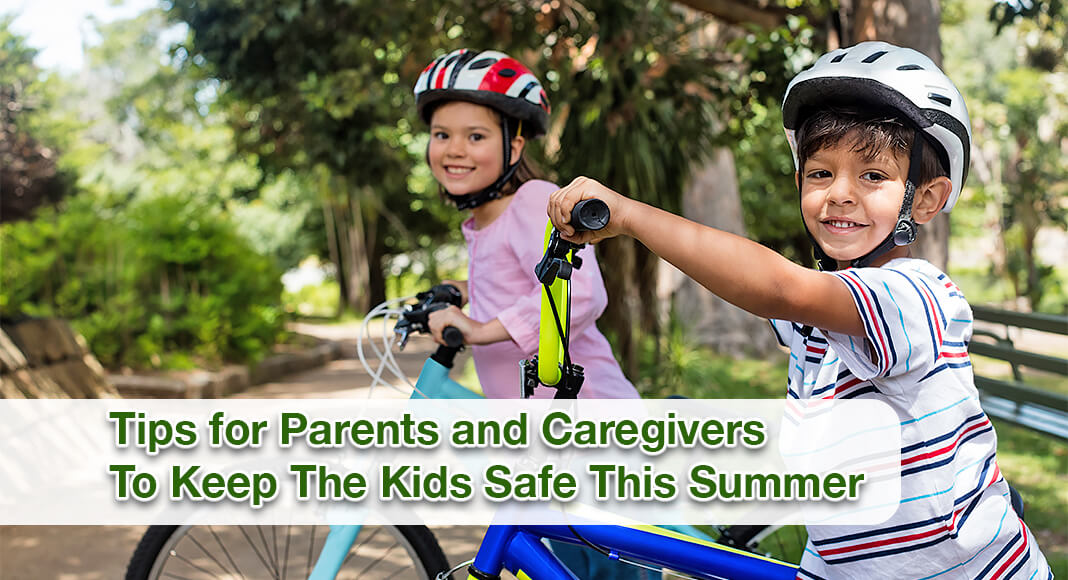
Wear protective gear when on wheels: Make sure to utilize helmets along with additional protective equipment when using bikes, scooters, skateboards or roller skates.
Keep fireworks away from children’s reach: If you use fireworks, make sure they are used only outdoors and keep a bucket of water and hose nearby.
Make sure children are supervised when they are near a grill or bonfire: Keep children away from fire pits and grills to prevent burns that can be caused when they get too close.
Be mindful of bugs that thrive in summer weather: Ticks and mosquitos can carry diseases, so, to prevent bites, wear long, loose-fitting clothes along with close-toed shoes. Use insect repellent and encourage showers when done outdoors to prevent ticks from latching on.
By paying close attention to hazards and educating kids on the importance of taking proper safety precautions, parents and caregivers can ensure their kids have a safe and fun summer.
In the event of an emergency, count on STHS Children’s. Serving the Rio Grande Valley for nearly 20 years, the facility is home to the largest pediatric emergency room in the region. Complete with colorful paintings and a pleasant atmosphere, the kid-friendly ER features specially trained staff of pediatric emergency personnel work quickly and efficiently to care for your child. To learn more about the emergency services at STHS Children’s, visit sthschildrens.com.


