





Mega Doctor News
Stress is a normal part of life. It’s a natural fight-or-flight response to dangers or challenges, such as work, exams or life changes, triggering hormones like adrenaline and cortisol.
Categorized by common reactions like racing heart, sweaty palms, fatigue and tension, short-term stress or eustress can be motivating and help improve performance and build resilience.
“Short-term stress plays an important role in everyday life,” says Leticia Sosa, MSSW, LCSW, LCDC-I., KAP, CLYL, EMDR Therapist, Director of Outpatient Services, South Texas Health System (STHS) Behavioral. “It helps people push through common challenges like public speaking engagements, major exams or other high pressure situations.”

Unfortunately, chronic, long-term stress can be harmful because it keeps the body locked in a constant fight-or-flight state, resulting in persistently elevated levels of cortisol and adrenaline.
Over time, this physiological strain can significantly damage health, increasing the risk of heart disease, high blood pressure, diabetes, depression, anxiety, digestive disorders and weakened immune function, while also potentially accelerating cellular aging.
“When stress becomes chronic, it can quietly take over every aspect of a person’s life,” says Sosa. “It affects how people feel, how they function and how they relate to others, often leading to physical illness, emotional distress and difficulties at work, at home and in personal relationships.”
In the United States, chronic stress is widespread. Approximately 75% of U.S. adults report stress-related physical or emotional symptoms—such as headaches, fatigue, and anxiety—according to the American Institute of Stress, and 49% say they experience significant stress daily.
Chronic stress across the U.S. resiliencies often fueled by persistent challenges like financial pressures, workplace demands and health concerns. Societal division, family strain and caregiving responsibilities also contribute, gradually wearing down emotional and mental resilience.
Managing stress is key to maintaining both physical and mental wellbeing. When addressed effectively, it can reduce the risk of chronic illness while improving focus, resilience, sleep, mood and connections with others.
“Learning how to effectively manage stress can be lifechanging,” says Sosa. “Even small, consistent steps can make a meaningful difference in how people feel, function and cope with daily challenges. With support and effective strategies, people can thrive even during tough times.”
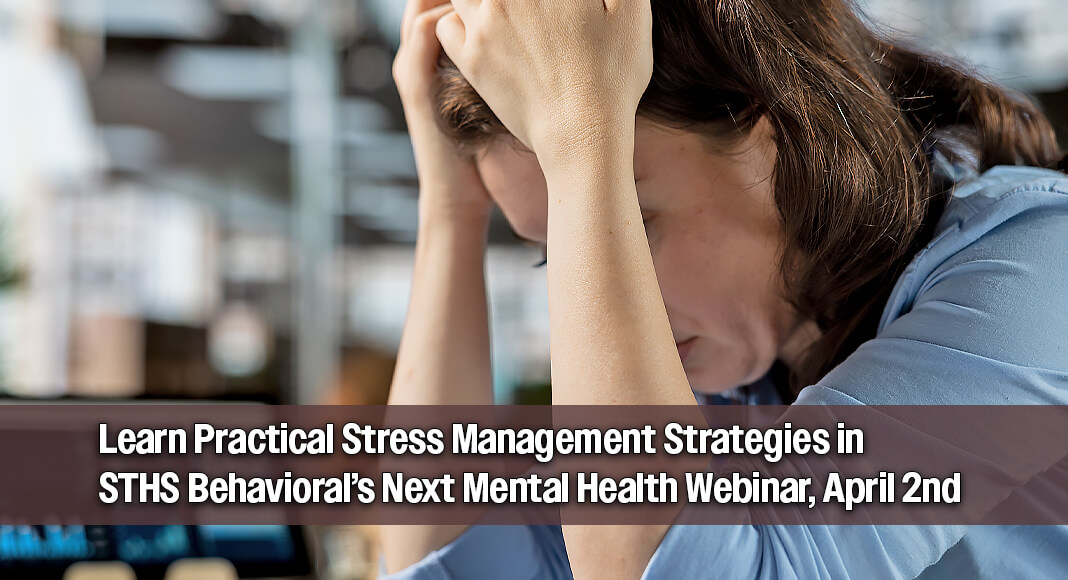
To help Rio Grande Valley residents beat stress, STHS Behavioral is dedicating its latest Let’s Talk Mental Health webinar to stress management.
Broadcast live via STHS’ Facebook page, from 5:30 – 6:30 p.m., on Thursday, April 2, 2026, the online seminar the webinar will explore practical ways to manage stress, including in-the-moment techniques such as deep breathing and sensory grounding, along with long-term strategies and mindset shifts. The discussion will also cover how to recognize when professional support may be needed and where to seek help.
For more information on the webinar, visit the STHS Facebook Events page. If you’d like to view previous Let’s Talk Mental Health seminars, visit STHSLetsTalk.com.
| Who: | South Texas Health System Behavioral |
| What: | FREE virtual seminar entitled “Let’s Talk Mental Health – Managing Stress” |
| When: | Thursday, April 2, 2026, from 5:30 – 6:30 p.m. |
| Where: | Online via STHS’ Facebook page |


