








Mega Doctor News
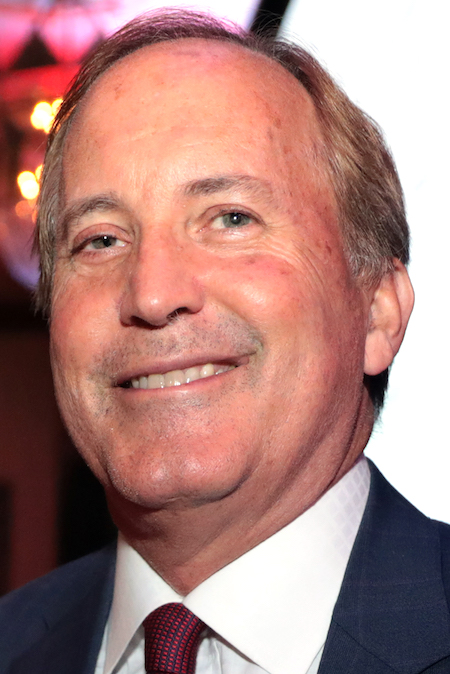
AUSTIN – Attorney General Ken Paxton has filed suit against a group of dental providers (“provider defendants”) and sham marketers (“marketer defendants”) for bribing Medicaid patients and for performing medically unnecessary procedures to defraud Texas Medicaid.
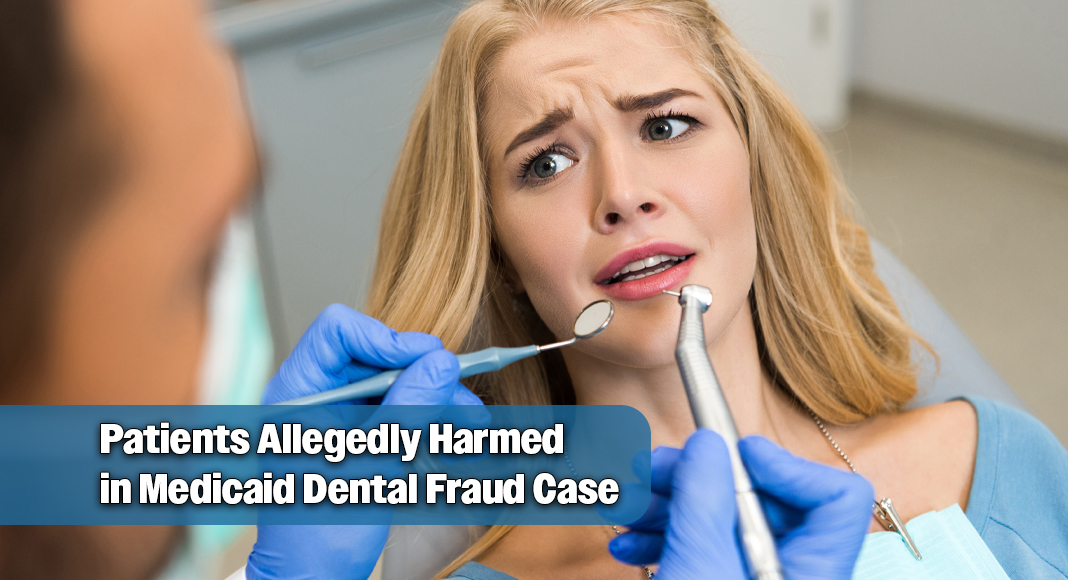
Evidence shows that the provider defendants paid marketer defendants to target Medicaid beneficiaries and their families by offering gift cards in exchange for becoming a patient. The marketer defendants would direct patients to schedule appointments with the provider defendants, and frequently circulated patients between this network of clinics to maximize Medicaid reimbursement. After securing these patients, the providers allegedly performed unnecessary and, in some cases, high-risk dental procedures, billing Texas Medicaid for services that were not medically justified. These actions not only defrauded taxpayers but also exploited vulnerable Texans, including children, by subjecting them to unnecessary medical treatments and risks.
Attorney General Paxton has brought this action under the Texas Health Care Program Fraud Prevention Act, which prohibits false claims, concealment of material information, and unlawful kickback arrangements involving Medicaid-funded services. The Office of the Attorney General is seeking full restitution, civil penalties, and all available remedies to hold the defendants accountable and recover taxpayer funds.

“It is malicious and unacceptable that these providers were performing dangerous, medically unnecessary procedures on patients in order to scam our Medicaid system,” said Attorney General Paxton. “Our Medicaid resources are in place to serve Texans in need, and my office will continue to fight fraud and abuse within that system.”
The Healthcare Program Enforcement Division of the Office of the Attorney General of Texas is committed to upholding the law, protecting the health of Texans, and holding fraudulent practices accountable for abuse of our state and federal resources.
To read the lawsuit, click here. While the case was initially sealed, it has now been unsealed.


