







Mega Doctor News

By Selene Rodriguez
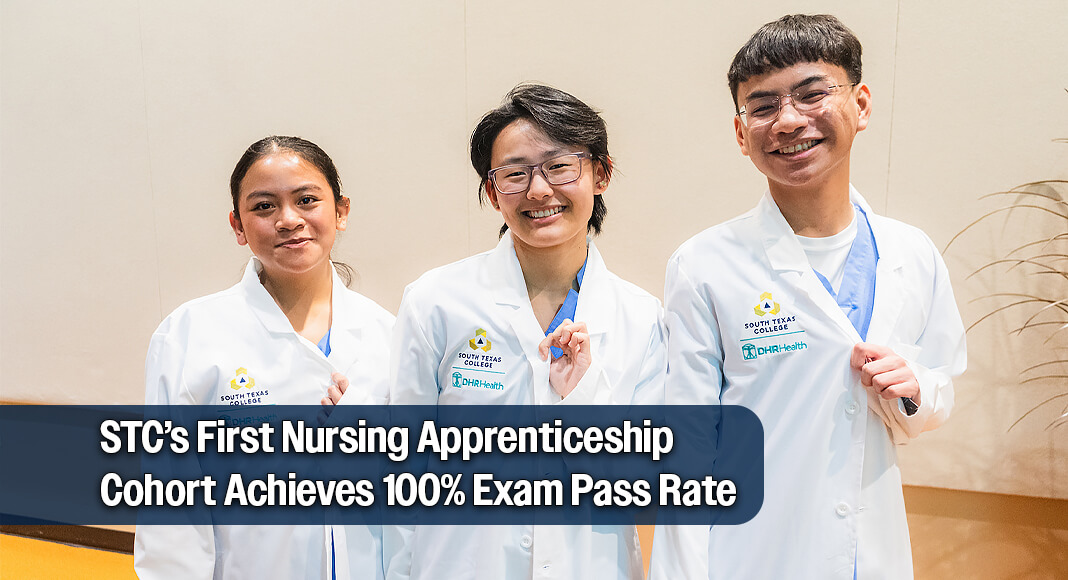
Just months after making history as graduates of the nation’s first federally-recognized registered nursing apprenticeship, all 10 recent South Texas College graduates have passed the National Council Licensure Examination (NCLEX-RN) on their first attempt, achieving a 100% pass rate and becoming licensed registered nurses.
Now entering the workforce, the inaugural cohort is putting training into practice at DHR Health after completing 2,000 hours of paid, hands-on training through the apprenticeship.

“This one-of-a-kind pilot program is meant to be a bridge between education, healthcare and the workforce, built on innovation, intent and trust,” said STC Regional Healthcare Liaison Jason Valerio, DNP. “One of the metrics of success for this initiative was a 90% first-attempt NCLEX pass rate, and we achieved 100%. It is an incredible result to see.”
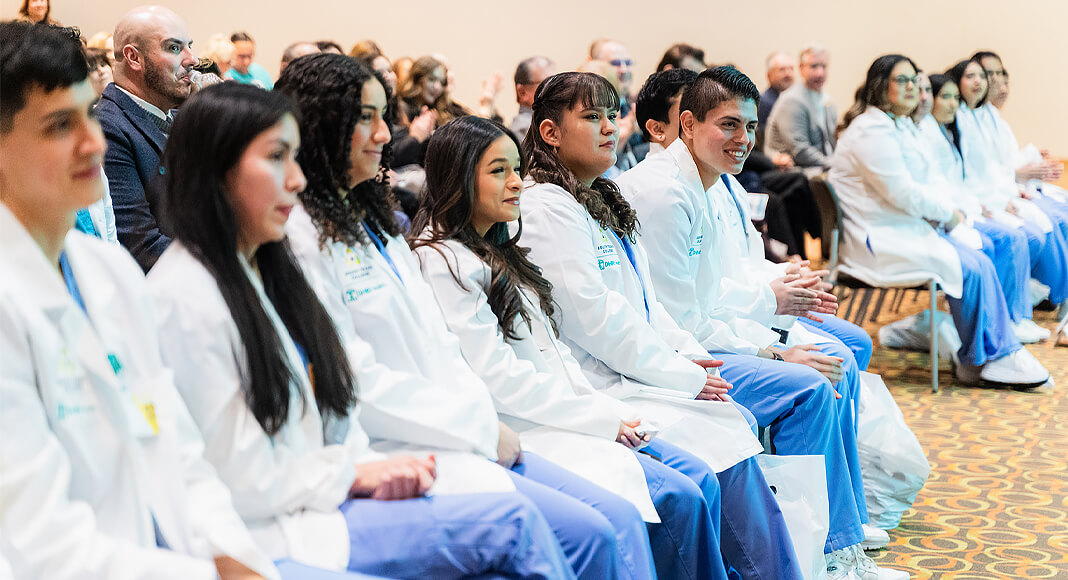
Developed through a partnership between STC, DHR Health, the Texas Workforce Commission, the Texas Board of Nursing and the U.S. Department of Labor, the apprenticeship was first envisioned in 2022 and was officially established in 2024 in response to a growing need for nurses in the region.
At the time the initiative was being developed, projections from the Texas Center for Nursing Workforce Studies showed the Rio Grande Valley could face a deficit of more than 6,200 registered nurses by 2030, leaving more than 30% of the region’s demand unmet.
“To me, as an educator and an advocate for the community, once you know the data, you feel compelled to do something,” Valerio said. “The question becomes, ‘How can we address the nursing shortage while also helping our students succeed?’ Many of our students are juggling a full-time education while also working because they are breadwinners for their families. The apprenticeship gives them an opportunity to earn while they learn and, at the same time, prepares more nurses to serve our community.”
For a year and a half, the 10 students, now STC graduates, completed paid training at DHR Health while simultaneously completing the coursework and clinical requirements for their Associate Degree in Nursing at STC. Each was paired with a mentor, providing one-on-one guidance and consistent exposure to the hospital environment where they would eventually begin their careers.
“Right after graduation, I surveyed them, and sure enough, a sense of belonging was one of the highlights of this initiative,” Valerio added. “They feel clinically ready to make that transition from students to registered nurses.”
For STC graduate Hailey Aul, now a registered nurse at DHR Health, the apprenticeship made a significant difference in her transition from student to a professional.
“I’m grateful that I had the opportunity to be part of the first cohort and experience this program from the beginning,” Aul said. “It definitely helped with my clinical practice and prepared me for the realities of working at the bedside. I feel like I would be drowning right now had I not done the apprenticeship.”
Aul said the experience also taught her how to manage the realities of bedside nursing, where caring for multiple patients requires constant prioritization and critical thinking.
“Learning how to prioritize and manage your time is very different from what the book says,” she said. “The book gives you a perfect situation, but in real life, things are constantly changing. The apprenticeship helped prepare me for that reality.”
With the inaugural cohort’s success, Valerio said the model is already gaining attention beyond the region, with colleges and workforce organizations from other states reaching out to STC to learn from the program’s development, challenges and best practices.
“There was no blueprint in the nation for a program like this, and I’m grateful to STC President Dr. Ricardo J. Solis, the STC Board of Trustees and everyone who supported us in taking the lead on this pilot initiative,” Valerio said. “Now we have our lessons learned and best practices, and those are the things that I am sharing with colleagues who want to emulate this project.”
STC is now looking toward a second apprenticeship cohort, with plans to build on the lessons and success of the inaugural group.
“Everything we do comes back to our students and our community,” Valerio said. “We must continue thinking outside the box and finding innovative ways to help our students succeed while addressing the healthcare needs of the Rio Grande Valley. This program shows what is possible when we work together with that purpose in mind.”


