







Standing Desks May Not Be The Silver Bullet We Thought

You might want to sit down for this.

Translate to Spanish or other 102 languages!

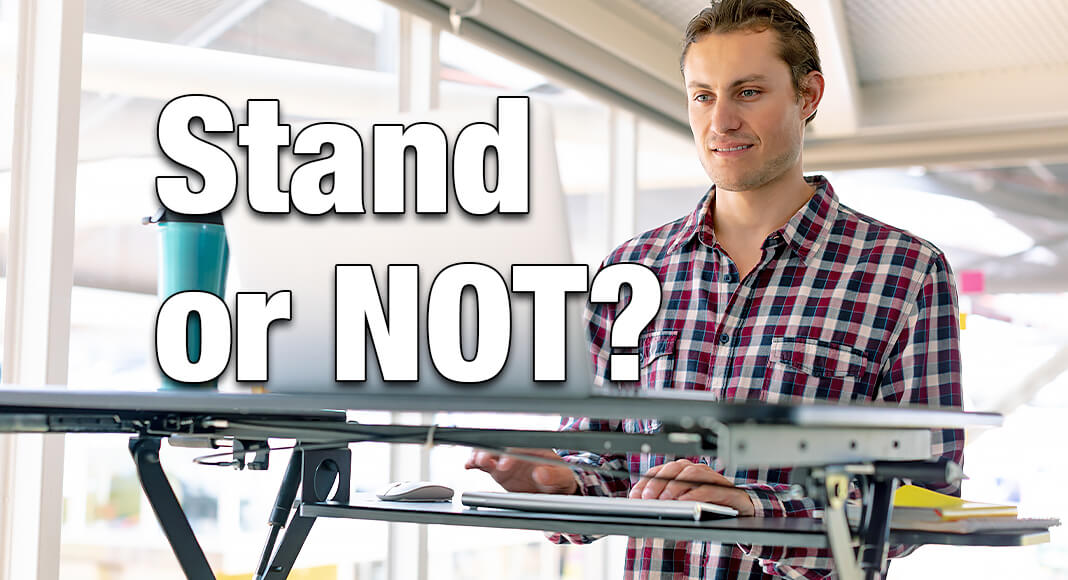
Standing more doesn’t improve heart health compared to sitting, and after as little as 2 hours, it might actually harm you. Image for illustration purposes
- Advertisement -

If you, like me, have invested in a standing desk, new research from the University of Sydney may challenge an established idea about workplace wellness. After analyzing data from 83,000 adults, researchers uncovered something surprising: Standing more doesn’t improve heart health compared to sitting, and after as little as 2 hours, it might actually harm you.

Follow the link below to read the full story on Medical News Today:

https://www.medicalnewstoday.com/articles/can-standing-too-much-harmful-heart-health-sitting?utm_source=Sailthru%20Email&utm_medium=Email&utm_campaign=sundaysupplement&utm_content=2024-10-27&apid=&rvid=4ba4ec80177cae00eabc43b8bc6648d598c4a356d104663735777e0a0f8b5c9f

- Advertisement -

Information Source: https://www.medicalnewstoday.com

- Advertisement -

- Advertisement -

- Advertisement -

More Articles

Why do I have stomach pain with Wegovy?

Mega Doctor News Medical News Today Stomach pain is a common side effect...

What Parents Should Know About RSV

Respiratory syncytial virus (RSV) is a common virus that affects the upper respiratory system, which includes the nose and throat, and the lower respiratory system, which includes the lungs.

Adult-Onset Allergies Are More Common Than You Think

Many people think allergies are something you either have as a child or you don’t – but experts say that’s not always the case.

New Study Shows Wide Variation in Telemedicine Use Among Patient Groups

Use of telemedicine spiked amid the COVID-19 pandemic, but is still used significantly more in the years following crisis compared to the time before, new analysis from Penn Medicine researchers shows.
- Advertisement -



