






Mega Doctor News
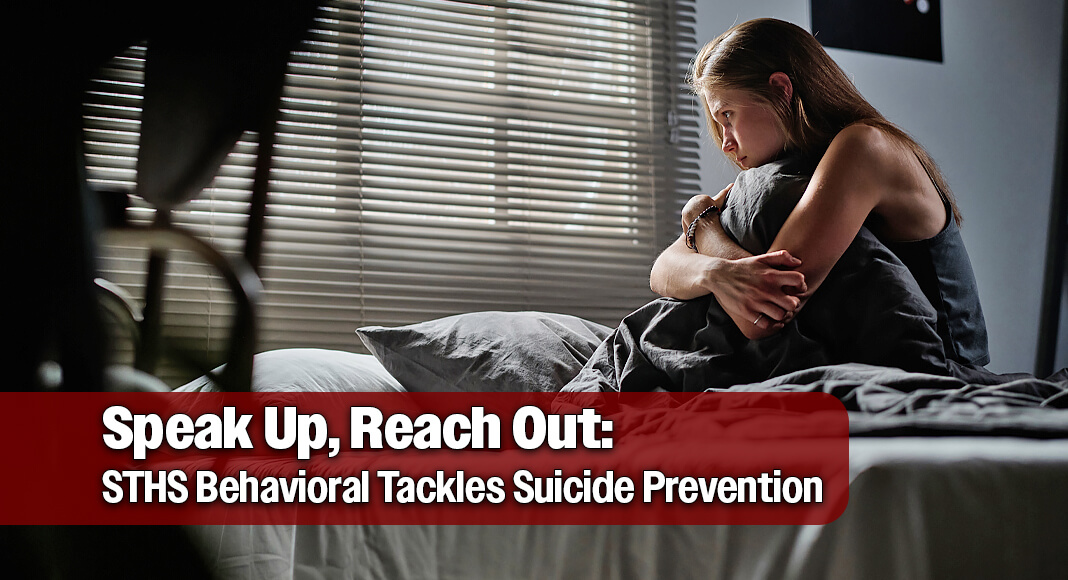
Not all wounds are visible. Every day, people struggle with emotional pain, depression and feelings of hopelessness that may go unnoticed by those around them.
While the warning signs are not always obvious, family members, friends and neighbors can play a critical role in suicide prevention by fostering open conversations, offering support and helping those in crisis connect with the resources they need.
The recent passing of actor and Brownsville native RJ Mitte, best known for his role in Breaking Bad, has deeply affected many across the Rio Grande Valley. As our community mourns his loss, South Texas Health System (STHS) Behavioral is encouraging Rio Grande Valley residents to recognize the warning signs of suicide, support those who may be struggling and remember that help is available.

“One of the most important things we can do is create an environment where people feel safe talking about what they’re going through,” said Amanda Gomez, MSW, a therapist with STHS Behavioral. “Stigma surrounding mental health can prevent individuals from seeking help. We want people to know that reaching out is a sign of strength, not weakness, and that support is available.”
Nearly 49,000 people died by suicide in the United States in 2024, according to the Centers for Disease Control and Prevention (CDC), making it one of the leading causes of death among adolescents and adults.
Warning signs can vary, but may include withdrawing from family and friends, expressing feelings of hopelessness, experiencing dramatic mood changes, increasing substance use or talking about feeling like a burden to others.
Not everyone experiencing emotional distress will show obvious signs, which is why regular check-ins and meaningful conversations can be so important.
To help families and community members support someone who may be struggling, STHS Behavioral offers the following guidance:
Start the conversation: Ask how they’re feeling and create space for them to speak openly. If you’re concerned about suicide, don’t be afraid to ask directly if they are thinking about harming themselves.
Listen without judgment: Avoid minimizing their feelings or rushing to provide solutions. Instead, offer empathy, understanding and support.
Know the warning signs: Be alert to significant changes in mood, behavior, daily routines or expressions of suicidal thoughts.
Encourage professional help: Help connect them with a mental health professional, trusted healthcare provider or other support resources.
Stay connected: Continue reaching out, even if they initially say they’re fine. Consistent support can help reduce feelings of isolation and remind individuals that they are not alone.
“We don’t always know what someone is carrying beneath the surface, which is why taking a few moments to check in can make a meaningful difference,” said Gomez. “You don’t need to have all the answers. Simply being present, listening and reminding someone they matter can be the first step toward getting them the help they need.”
If you or someone you love is struggling with anxiety, depression or other emotional or behavioral concerns, help is available. For a confidential assessment or more information about behavioral health services, call STHS Behavioral at 956-388-1300.
For individuals experiencing emotional distress or a mental health crisis, 988 Suicide & Crisis Lifeline provides free, confidential assistance 24 hours a day, seven days a week. Call or text 988 to connect with a trained crisis counselor.
Information source: STHS