








South Texas Health System Edinburg Awarded Stroke Rehabilitation Certification from The Joint Commission

Translate to Spanish or other 102 languages!

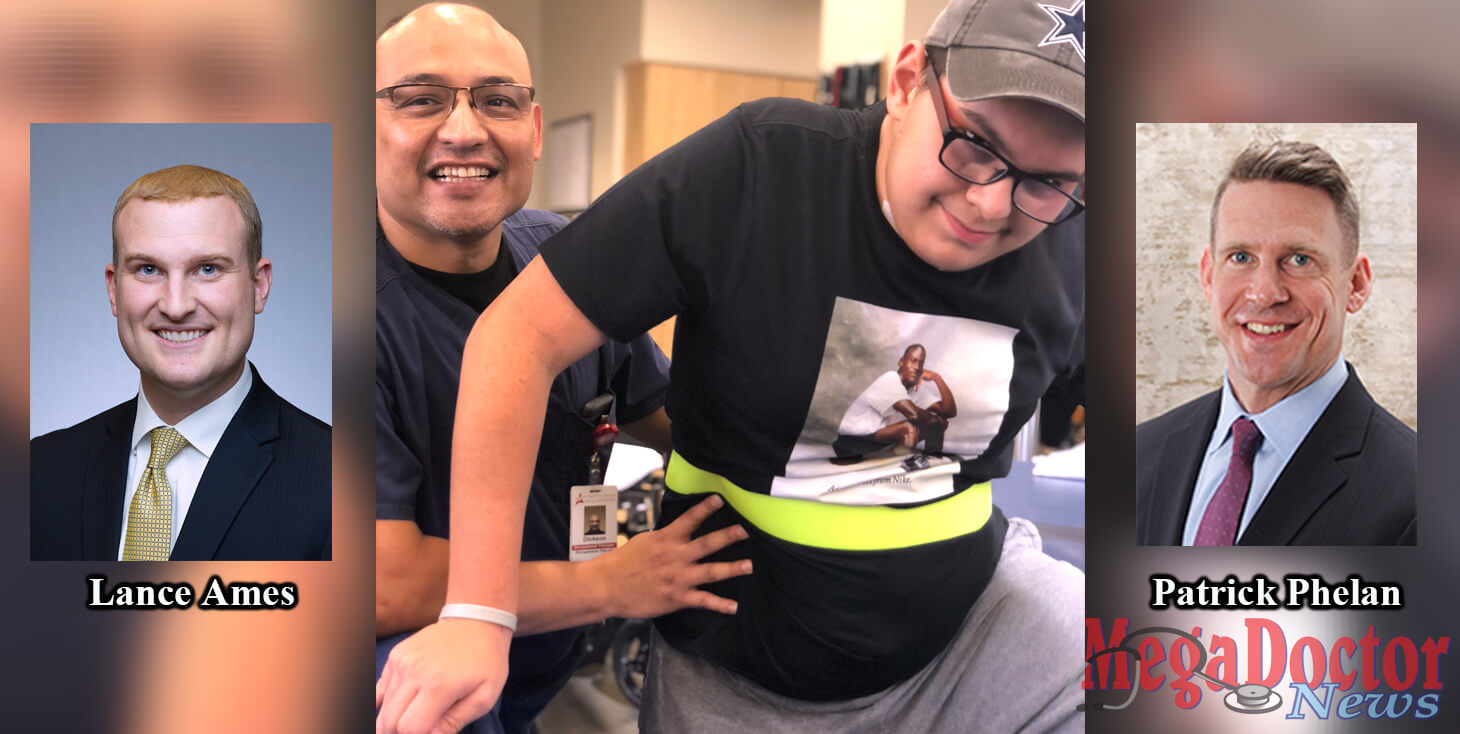
Pictured is 14-year-old rehab patient Aristeo Cantu, Jr. and STHS physical therapists
Pictured L-R: Lance Ames, CEO for South Texas Health System Edinburg, 14-year-old rehab patient Aristeo Cantu, Jr. and STHS physical therapist, and Patrick Phelan, executive director, Hospital Business Development, The Joint Commission.

Mega Doctor News

- Advertisement -

As originally published in Mega Doctor News newsprint edition October 2018

Edinburg, Texas – South Texas Health System announces it has earned The Joint Commission’s Gold Seal of Approval for Stroke Rehabilitation Certification at South Texas Health System Edinburg. The Gold Seal of Approval®is a symbol of quality that reflects an organization’s commitment to providing safe and effective patient care.

The healthcare system underwent a rigorous on-site review in July 2018. Joint Commission experts evaluated compliance with national disease-specific care standards as well as with stroke rehab-specific requirements. Clinical practice guidelines and performance measures also were assessed.

- Advertisement -

Established in 2002 and awarded for a two-year period, The Joint Commission’s Disease-Specific Care Certification evaluates clinical programs across the continuum of care and addresses three core areas: compliance with consensus-based national standards; effective use of evidence-based clinical practice guidelines to manage and optimize care; and an organized approach to performance measurement and improvement activities.

“South Texas Health System Edinburg has thoroughly demonstrated a high level of care for patients who have suffered a stroke,” said Patrick Phelan, executive director, Hospital Business Development, The Joint Commission. “We commend the rehab team at South Texas Health System Edinburg for becoming a leader in stroke rehabilitation care, potentially providing a higher standard of service for stroke patients in its community.”

“South Texas Health System Edinburg is pleased to receive Disease-Specific Care Certification from The Joint Commission, the premier healthcare quality improvement and accrediting body in the nation,” added Lance Ames, CEO for South Texas Health System Edinburg. “The certification provides us with the framework to create a culture of excellence for those in our community.”


- Advertisement -
- Advertisement -

- Advertisement -

More Articles

DHR Health Expands Cancer Care Services with Radiation Oncologist, Dr. Jason Shumadine Wolff

DHR Health, one of the largest physician-owned hospitals in the United States and a proud healthcare provider for the Rio Grande Valley since 1997, is delighted to welcome Dr. Jason Shumadine Wolff, to its growing network of specialty care physicians.

Dr. Michael Seawell Discusses Renal Denervation for Difficult-to-Control High Blood Pressure

Dr. Michael Seawell, a board-certified interventional cardiologist at DHR Health, is helping expand access to renal denervation, a minimally invasive treatment designed for patients with difficult-to-control high blood pressure.

DHR Health Continues to Lead the Way in Treatment of Alzheimer’s Disease for the RGV

Two years after DHR Health announced it was the first hospital south of San Antonio to successfully administer Leqembi, an FDA-approved intravenous treatment for early Alzheimer’s disease, DHR Health continues to expand access to advanced Alzheimer’s care for patients in the Rio Grande Valley being now the only facility doing amyloid PET Scans, a diagnostic test to accurately diagnose Alzheimer’s disease. DHR Health also offers Kisunla, another FDA-approved intravenous treatment for early symptomatic Alzheimer’s disease.

McAllen Mayor Leads Public Push for Early Lung Cancer Detection

McAllen Mayor Javier Villalobos hosted a televised discussion on lung cancer awareness with pulmonologist Juan P. Rey Mendoza and retired McAllen Police Lieutenant Joel Morales to encourage Rio Grande Valley residents to seek screening and recognize the risks of delayed diagnosis.
- Advertisement -
