








Sleep Expert Weighs in on Ideal Number of Alarms

Are you constantly hitting the snooze button in the morning? A sleep expert goes over why sticking to one alarm is ideal.

Translate to Spanish or other 102 languages!

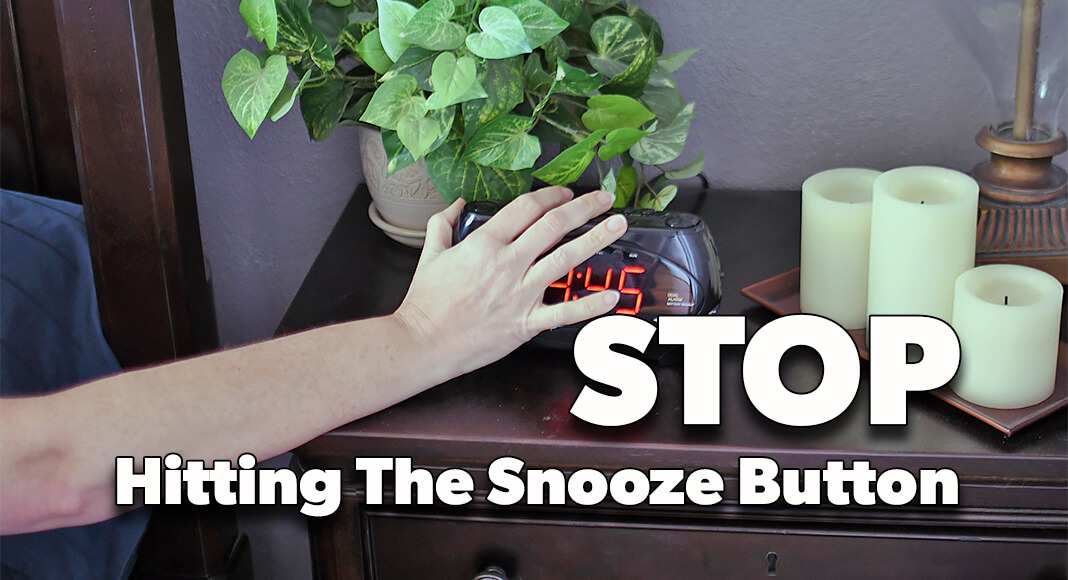
The more times you hit the snooze button, the more you’re interrupting your sleep cycle. Image for illustration purposes
- Advertisement -

CLEVELAND CLINIC – How many alarms do you set to wake up in the morning?

If the answer is more than one, that’s not ideal for your overall sleep quality.

“My general advice is that you set one alarm. The more alarms you have, the harder it’s going to be for you to wake up in the morning,” explained Alicia Roth, PhD, sleep psychologist for Cleveland Clinic.

- Advertisement -

The more times you hit the snooze button, the more you’re interrupting your sleep cycle.

Dr. Roth stressed it’s best to set your alarm for the time you actually have to wake up.

If you’re used to multiple alarms, Dr. Roth said it’s OK to slowly work your way down to one over time.

You can also try setting up your alarm clock so that you have to get out of bed to shut it off.

- Advertisement -

Keeping your sleep schedule on the weekends the same as during the week can be helpful as well.

“A lot of us have a tendency to go to bed and wake up later on the weekends than on weekdays,” Dr. Roth said. “This makes it really difficult to wake up on Monday morning and prompts us to have multiple alarms or snoozes.”

Dr. Roth added an underlying sleep disorder could be the reason you find it difficult to pull yourself away from the sheets in the morning.

If this is a recurring issue and starting to impact your everyday life, Dr. Roth said it may be time to see a sleep specialist.


- Advertisement -
- Advertisement -

- Advertisement -

More Articles

How Sleepy Days and Restless Nights Damage Your Blood Pressure

A new study from Penn State College of Medicine to be presented at the SLEEP 2026 annual meeting found that excessive daytime sleepiness is associated with higher odds of both prevalent and incident hypertension, and taking 30 minutes or longer to fall asleep further increases that risk.

The Urgent Summer Need for Blood Donations

Mega Doctor News CLEVELAND CLINIC – Sunday, June 14th is World Blood Donor Day....

New $2.5 Million Funding Boosts Stroke Care Access

Governor Greg Abbott announced $2.5 million in grant funding for hospitals to increase access to lifesaving stroke care through mobile stroke units.

DHR Health Encourages Community to Recognize the Signs of Stroke

The DHR Health Neuroscience Institute is urging the community to learn vital stroke prevention and response strategies. According to the Centers for Disease Control and Prevention (CDC), stroke remains a leading cause of death and disability worldwide.
- Advertisement -
