








Signs of Anxiety and Depression in Children

Translate to Spanish or other 102 languages!

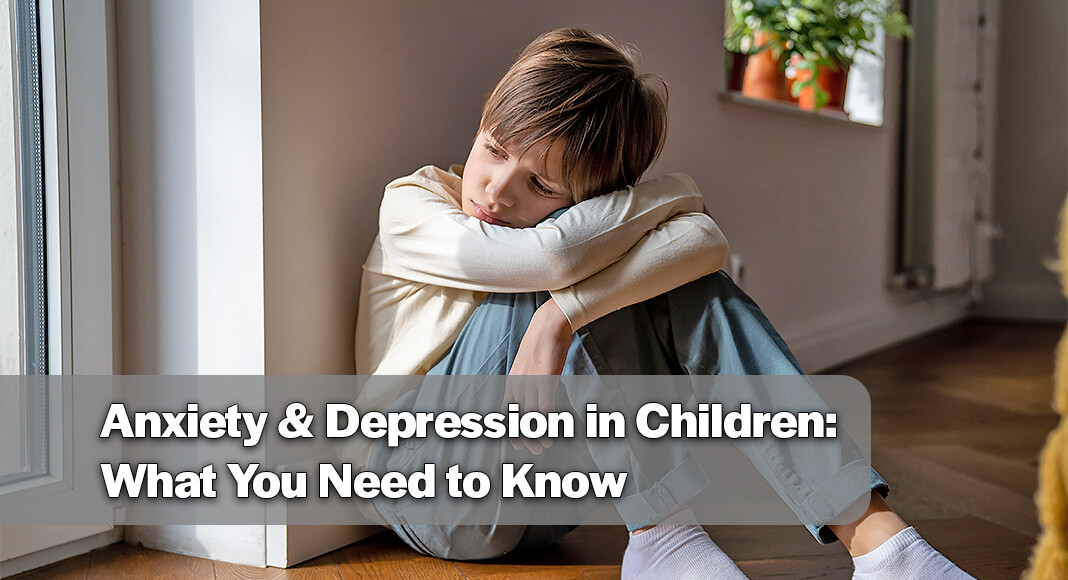
October 10th marks World Mental Health Day. Everyone feels sad or worried from time to time – including kids. Image for illustration purposes
- Advertisement -

CLEVELAND CLINIC – October 10th marks World Mental Health Day.
Everyone feels sad or worried from time to time – including kids.

But how can parents tell when it’s something more serious?

“Are they no longer engaging in the things that they want to do, or the things that they need to do, or maybe they’re still doing their homework, but the product that they’re producing isn’t what they’re used to. And so, we look for those changes in behavior,” said Kate Eshleman, PsyD, child psychologist at Cleveland Clinic Children’s.

- Advertisement -

Dr. Eshleman said other warning signs include increased crying, irritability or anger.

Physical complaints – like frequent headaches or stomach aches – can be red flags too.

If you notice an increase in physical or emotional symptoms, she suggests calmly asking your child about them.

“I think it’s always important to approach with curiosity, so ask open-ended questions. How are you feeling? How did you feel about that? And then, you know, kind of pare down if you feel like you need to,” she said.

- Advertisement -

Dr. Eshleman said mood concerns are common in children and teens and supporting them through it is important.If your child isn’t opening up 

- Advertisement -
- Advertisement -

- Advertisement -

More Articles

STC Students Launch Summer Camp to Boost Community Health and Wellness

Future nurses became teachers this summer as South Texas College Vocational Nursing students created the inaugural Healthcare Heroes Summer Camp, an interactive program where nearly 80 elementary, middle and high school students explored health, safety and wellness through hands-on learning led by the next generation of healthcare professionals.

Expert Advice on Preventing Cognitive Decline

The same lifestyle choices that reduce your risk of heart disease, diabetes and cancer also can reduce your risk of cognitive decline. Bryan Woodruff, M.D., a cognitive neurologist at Mayo Clinic in Arizona, explains the brain-body connection, lifestyle changes to foster brain health and why work to make earlier detection of Alzheimer's disease and other dementias is important.

STHS Children’s Earns National Recognition for Advancing Cardiac Arrest Survival Through High-Quality

Although sudden cardiac arrest in children is uncommon, it remains a life-threatening emergency that requires immediate, specialized care.

What to Know About the Cyclospora Parasite in Your Grocery Cart

You’ve probably seen the headlines about a parasite spreading across the United States and making people sick, but what exactly is causing it? 
- Advertisement -

