Mega Doctor News
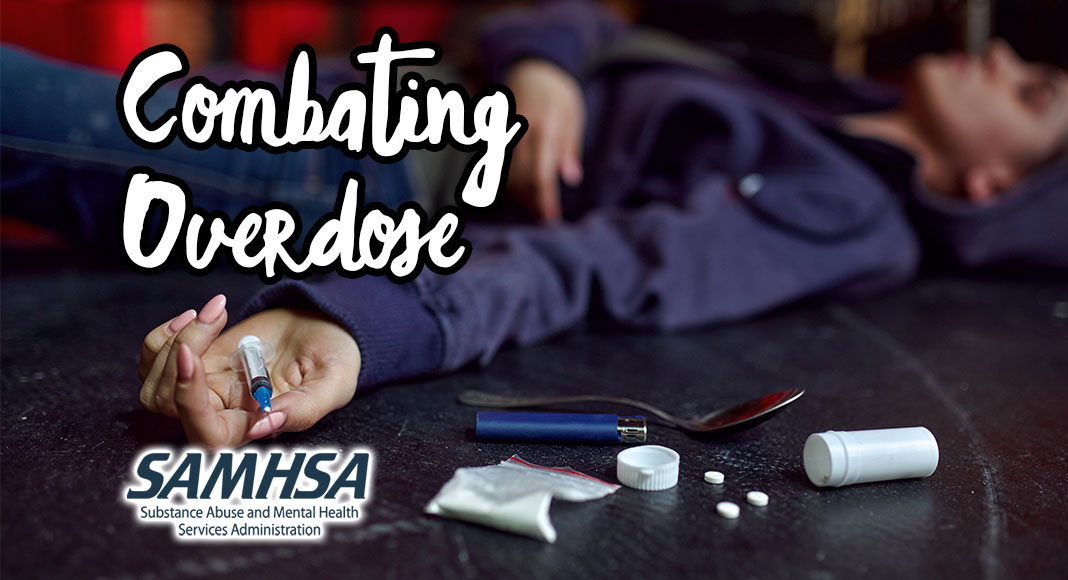
U.S. Department of Health and Human Services – The Substance Abuse and Mental Health Services Administration (SAMHSA) is awarding more than $123 million in funding through six grant programs to provide multifaceted support to communities and health care providers as the Nation continues to combat the overdose epidemic.
These SAMHSA grant programs reflect the agency’s and Biden-Harris administration’s ongoing mission to connect people who have substance use disorders (SUD) to culturally appropriate, evidence-based treatments and supports.
According to the U.S. Centers for Disease Control and Prevention, the 12 months ending January 2021 recorded more than 94,000 fatal overdoses, an almost 31 percent increase over those recorded in the 12 months ending January 2020.

“Americans battling substance use disorders, and their families, deserve easily accessible, culturally appropriate, and effective treatment options and recovery supports,” said U.S. Health and Human Services (HHS) Secretary Xavier Becerra. “We remain committed to nourishing the programs that help communities address the alarming increase in overdose-related deaths by increasing awareness and access to prevention, treatment, and recovery supports.”
“This funding will strengthen the full continuum of care for those battling addiction, and enhance health care providers’ depth of knowledge and best practices,” said Miriam E. Delphin-Rittmon, Ph.D., the HHS Assistant Secretary for Mental Health and Substance Use and the leader of SAMHSA. “We remain committed to helping the Nation find ways to promote responsible prescribing practices, interrupt cycles of addiction, and make it easier for our loved ones to access the treatment and recovery supports they need. The COVID-19 pandemic has only added to the urgency of our mission.”
SAMHSA is awarding funding throughout the Nation for the following grant programs:
Medication Assisted Treatment for Prescription Drug and Opioid Addiction (MAT-PDOA)
The MAT-PDOA grant program expands and enhances communities’ access to medication-assisted treatment (MAT) services for people who have opioid use disorder (OUD). The five-year program seeks to increase the number of Americans receiving MAT and decrease their illicit opioid use and/or prescription misuse by their six-month follow-ups. Awards totaling $71.3 million are headed to 127 MAT-PDOA grantees, including 10 awards to tribal entities, which will receive up to $331.2 million over five years.
Tribal Opioid Response Grants (TOR)
The TOR program addresses the opioid crisis in tribal communities by increasing access to culturally appropriate and evidence-based treatment, including MAT. In addition to focusing on OUD-related needs, grant recipients also address stimulant misuse and use disorders, focusing on such substances as cocaine and methamphetamine. Two-year funding awards totaling $19.5 million are headed to 40 TOR grantees.
Screening, Brief, Intervention, and Referral to Treatment (SBIRT)
The SBIRT program guides clinicians in the practice of screening for SUD; providing needed, brief intervention; and referring children, adolescents, and/or adults in primary care and community health settings to treatment services. Funding awards totaling $10.6 million are headed to 11 SBIRT grantees, who will receive up to $53.6 million over five years.
Strategic Prevention Framework for Prescription Drugs (SPF Rx)
The SPF Rx program provides funding to states, territories, and some tribal entities to raise community awareness and bring prescription drug misuse prevention activities and education to schools, communities, parents, prescribers, and their patients. The program is designed to raise awareness about the dangers of sharing medications and work with pharmaceutical and medical communities on the risks of overprescribing to young adults. Funding awards totaling $9.9 million are headed to 21 SPF Rx grantees, who will receive up to $40.3 million over five years.
First Responder-Comprehensive Addiction and Recovery Act Grants (FR-CARA)
The FR-CARA program encourages first responders and members of other key community sectors to administer a federally-approved or device to use for the emergency reversal of a known or suspected opioid overdose. Grantees will train and provide resources to first responders and other community members at the state, tribal, and local governmental levels in safely implementing these lifesaving procedures. The grant recipients will also establish protocols for referring at-risk individuals to appropriate treatment and recovery support services. Funding awards totaling $8.2 million are headed to 16 FR-CARA grantees, who will receive up to $32.9 million over four years.
Providers Clinical Support System – Universities (PCSS-Universities)
SAMHSA’s Providers Clinical Support System (PCSS) is a national training and clinical mentoring project developed in response to the prescription opioid misuse epidemic. PCSS trains health professionals to provide effective, evidence-based treatments to patients with OUD in primary care, psychiatric care, substance use disorder treatment, and pain management settings. The PCSS-Universities grant will expand or enhance access to MAT services at the community level by investing in the Nation’s medical workforce educational system. This grant program funds education and training in MAT for students pursuing careers in the medical, physician assistant, and nurse practitioner fields. Funding awards totaling $3.9 million are headed to 27 PCSS-Universities grantees, who will receive up to $11.9 million over three years.
These grant awards are in keeping with the funding SAMHSA has been making available to American states, territories and tribal entities. For example, in July, SAMHSA announced awarding $250 Million to 100 Certified Community Behavioral Health Centers to improve community-level SUD and mental health disorder treatment services. Earlier that month, the agency announced $7 million to help meet trauma-informed behavioral health needs among tribes. In May, SAMHSA announced $3 billion was being dispersed through its Community Mental Health Services Block Grant and Substance Abuse Prevention and Treatment Block Grant, with both programs receiving $1.5 billion.