

Mega Doctor News

USDA
WASHINGTON, September 25, 2025 – The U.S. Department of Agriculture’s Food Safety and Inspection Service (FSIS) is issuing a public health alert for ready-to-eat meals containing a Food and Drug Administration (FDA) regulated pre-cooked pasta that may be contaminated with Listeria monocytogenes(Lm). FSIS expects more updates as this investigation continues. As more information becomes available, FSIS will update this public health alert. Consumers should check back frequently
The following product are subject to the public health alert:

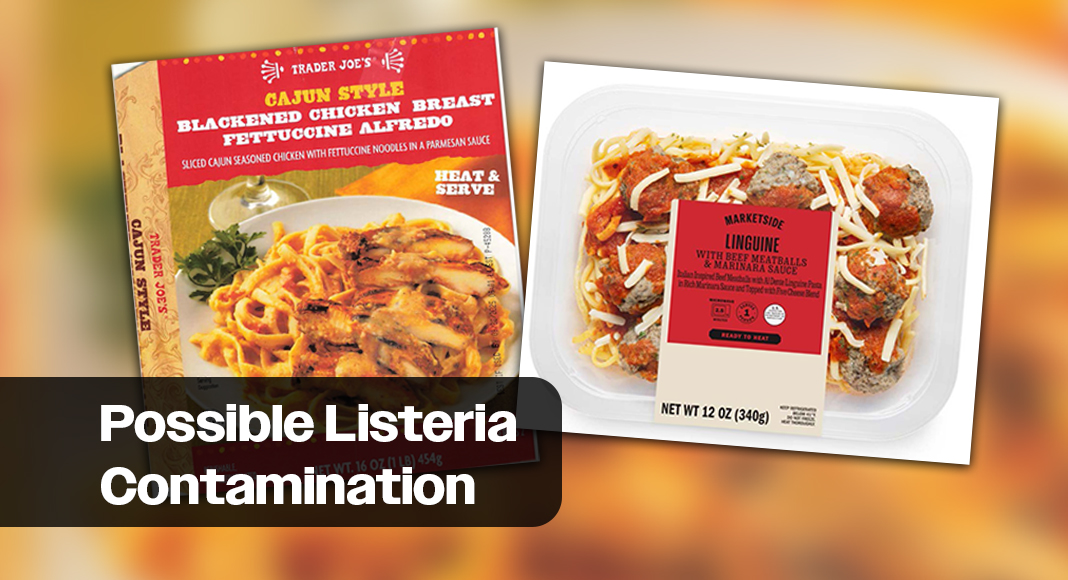
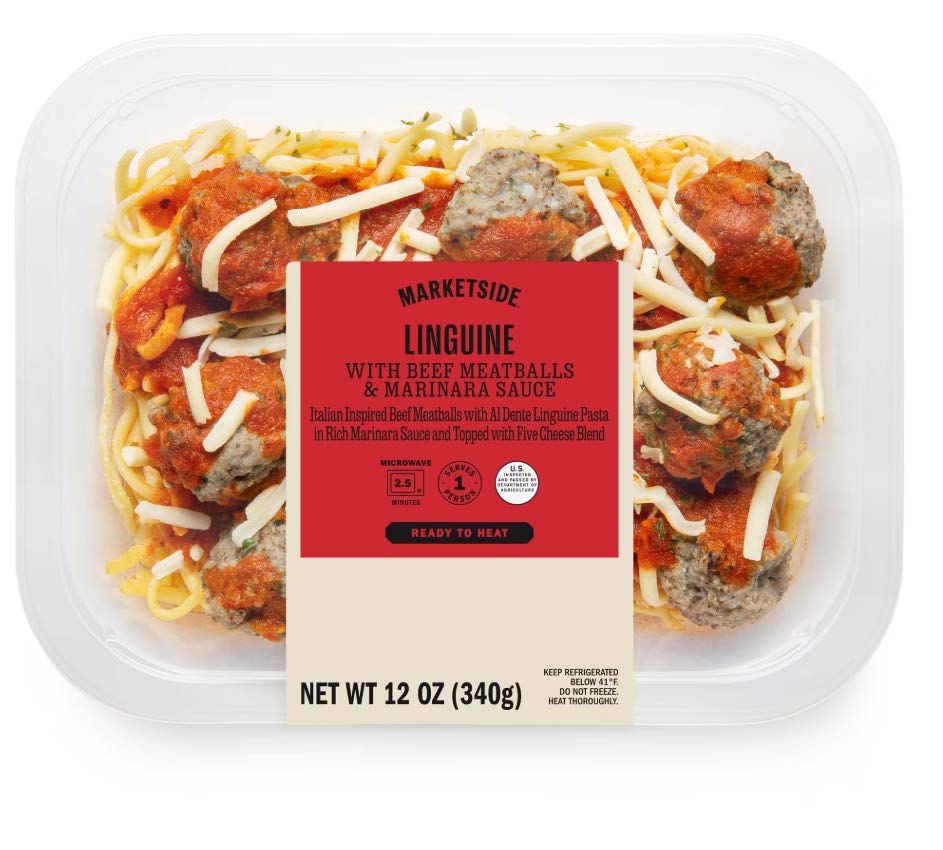
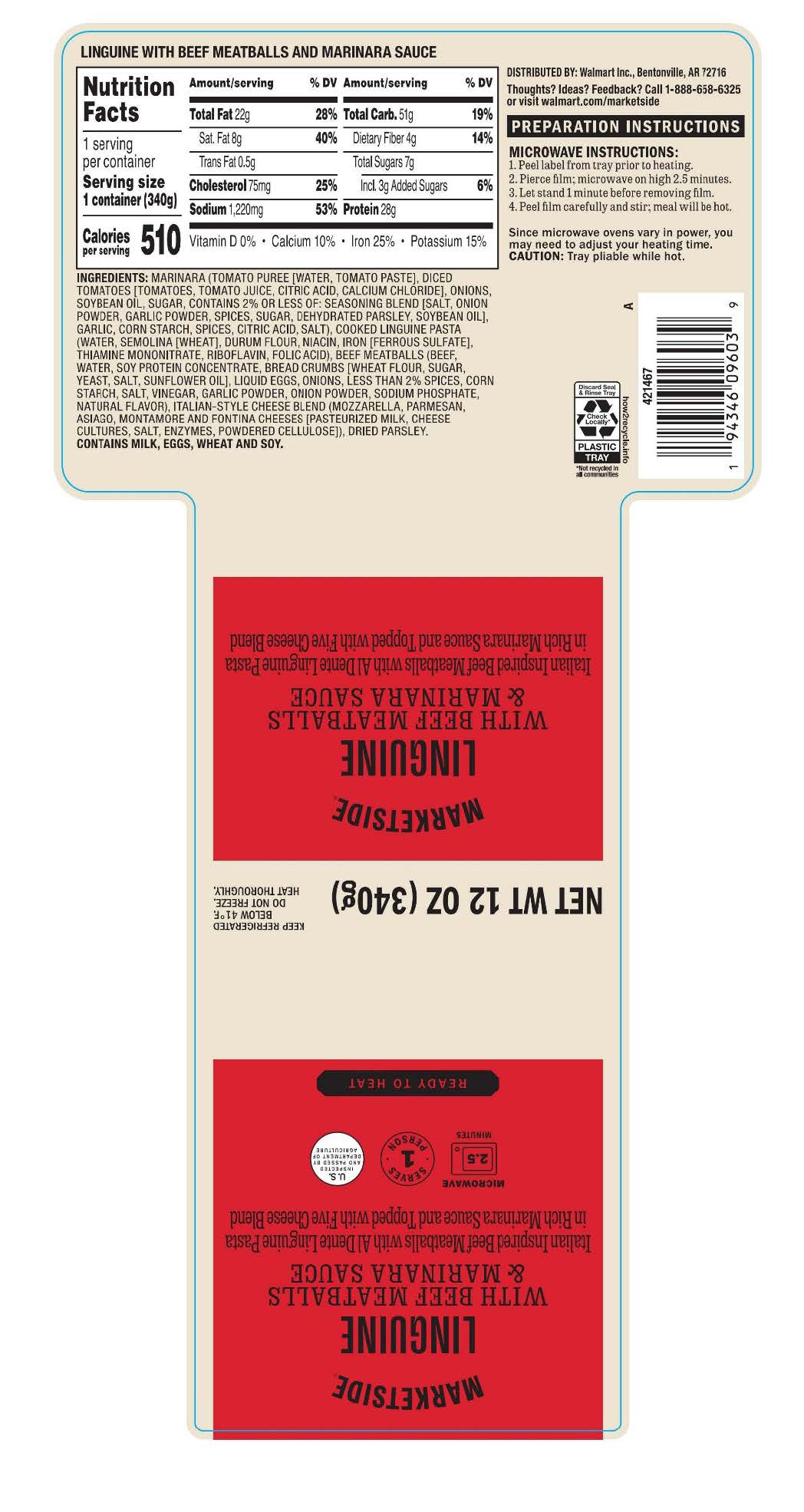
Sold at Walmart: 12-oz. clear plastic tray packages labeled “MARKETSIDE LINGUINE WITH BEEF MEATBALLS & MARINARA SAUCE” with “best if used by” dates SEP 22, 2025; SEP 24, 2025; SEP 25, 2025; SEP 29, 2025; SEP 30, 2025; and OCT 01, 2025. The product bears establishment number “EST. 50784” or “EST. 47718” inside the USDA mark of inspection.
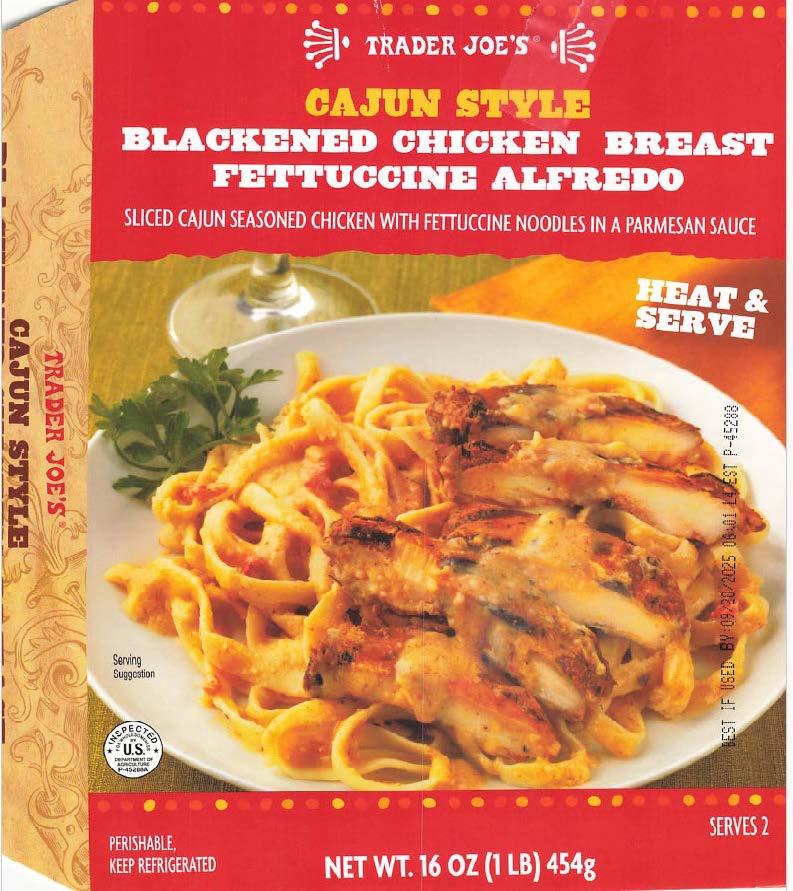
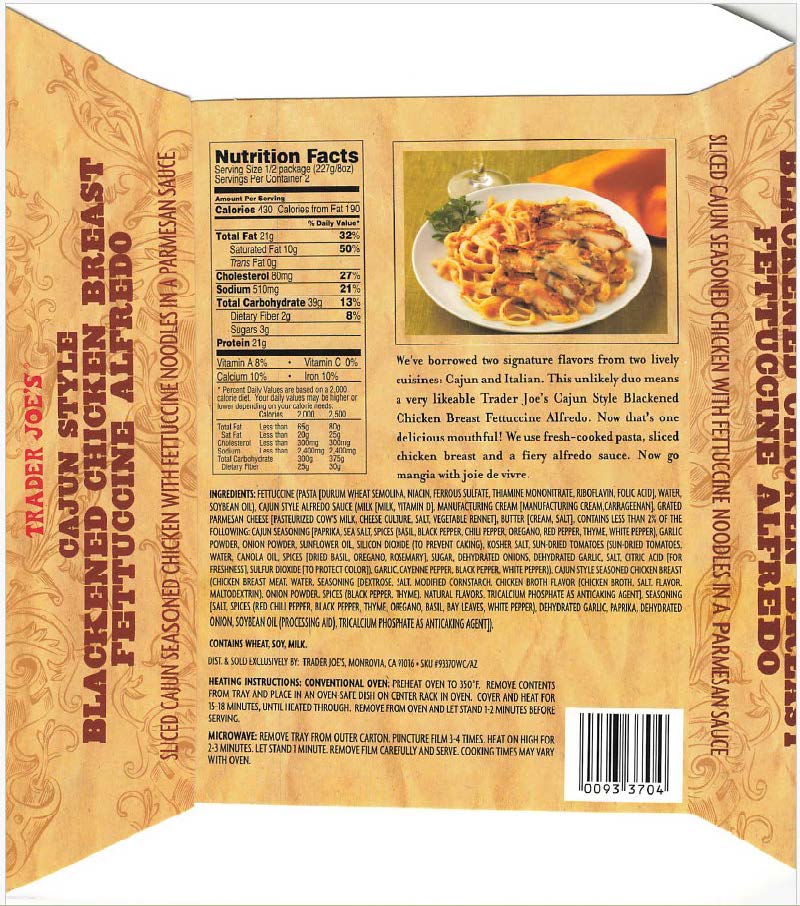
Sold at Trader Joe’s: 16-oz. plastic tray packages labeled “TRADER JOE’S CAJUN STYLE BLACKENED CHICKEN BREAST FETTUCINE ALFREDO” with “best if used by” dates 9/20/2025, 9/24/2025, or 9/27/2025 printed on the front label of the packaging. The product bears establishment number “P- 45288” inside the USDA mark of inspection.
One of the producing companies collected samples of the FDA-regulated, pre-cooked pasta used as an ingredient in its product as part of the ongoing investigation related to the Listeria outbreak linked to chicken fettuccine alfredo meals. The test confirmed that the linguine pasta was positive for Lm and further testing is ongoing to determine if the Lm is genetically related to the specific outbreak strain. FSIS previously issued a recall notice linked to the Listeria outbreak in June and continues to coordinate with FDA, the Centers for Disease Control and Prevention, and state public health partners.
Consumption of food contaminated with Lm can cause listeriosis, a serious infection that primarily affects older adults, persons with weakened immune systems, and pregnant women and their newborns. Less commonly, persons outside these risk groups are affected.
Listeriosis can cause fever, muscle aches, headache, stiff neck, confusion, loss of balance and convulsions sometimes preceded by diarrhea or other gastrointestinal symptoms. An invasive infection spreads beyond the gastrointestinal tract. In pregnant women, the infection can cause miscarriages, stillbirths, premature delivery or life-threatening infection of the newborn. In addition, serious and sometimes fatal infections can occur in older adults and persons with weakened immune systems. Listeriosis is treated with antibiotics. Persons in the higher-risk categories who experience flu-like symptoms within two months after eating contaminated food should seek medical care and tell the health care provider about eating the contaminated food.
FSIS is concerned that some product may be in consumers’ refrigerators or freezers. Consumers who have purchased these products are urged not to consume them. These products should be thrown away or returned to the place of purchase.
Consumers with questions regarding the public health alert can contact Nate’s Fine Foods at 916-677-7303. Operating hours are between 9:00 a.m. and 4:00 p.m. PST Monday through Friday.
Consumers with food safety questions can call the toll-free USDA Meat and Poultry Hotline at 888-MPHotline (888-674-6854) or send a question via email to MPHotline@usda.gov. For consumers that need to report a problem with a meat, poultry, or egg product, the online Electronic Consumer Complaint Monitoring System can be accessed 24 hours a day at https://foodcomplaint.fsis.usda.gov/eCCF/.
Editor’s Note: Details of this public health alert were updated on September 26, 2025, to reflect an additional affected product and corresponding labels.
Information source: USDA