







Mega Doctor News

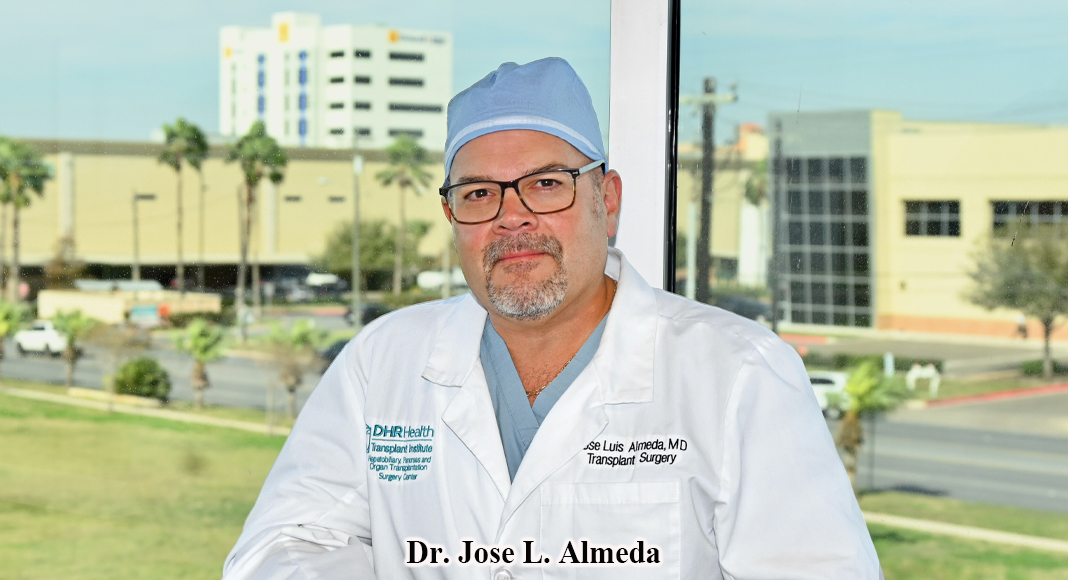
A medical revolution is unfolding in the Rio Grande Valley of Texas, spearheaded by the visionary Dr. Jose L. Almeda, Director of the DHR Health Transplant Institute. This feature digs into Dr. Almeda’s groundbreaking journey to bring the first liver transplant service to an area that has long been overlooked in advanced medical procedures.
Dr. Almeda, a product of the University of Texas in San Antonio, refined his surgical skill through rigorous training and fellowships in cancer and transplant surgery in Los Angeles. His return to San Antonio marked the beginning of a transformative career, dedicated to liver and kidney transplants.
It was his work in the Rio Grande Valley, however, that reshaped his path. Witnessing the struggles of patients traveling to San Antonio for transplants, Dr. Almeda was driven to bring these crucial services closer to home. In 2014, he took a leap of faith, leaving a comfortable life in San Antonio to join the DHR Health Transplant Institute.

Under his leadership, the institute has seen the birth of numerous programs aimed at providing comprehensive care, including residency training, kidney transplant, liver hepatology, and advanced cancer treatment options.
Now, Dr. Almeda stands on the verge of realizing a dream he has nurtured for a decade – launching the first liver transplant program in the Rio Grande Valley with the support of DHR Health Transplant Institute. This initiative is not just a medical milestone; it’s the hope for patients who previously had to travel long distances for such critical procedures.
The institute’s approach is meticulous and patient-centric, focusing on success rates, rigorous post-transplant care, and patient education. The team, including renowned specialists like Dr. Fernando Membreño, Dr. Pamela Chavero, and Dr. Eduardo Fernandes, is the institute’s commitment to excellence.
Dr. Almeda, a proficient surgeon in Hepatobiliary and Pancreatic Surgery, emphasizes the importance of early detection and lifestyle changes in preventing liver issues. The institute’s community outreach and patient education efforts are key in this regard.
This story is not just about medical innovation; it’s also about Dr. Almeda’s personal journey. A rancher at heart, he finds solace in cattle ranching, a passion that ties him to his roots in Del Rio, Texas. This blend of professional dedication and personal commitment makes Dr. Almeda a unique figure in the medical field.
As the DHR Health Transplant Institute prepares to launch its liver transplant services, Dr. Almeda’s vision of making advanced healthcare accessible in the Rio Grande Valley is about to become a reality, marking a new chapter in the region’s healthcare history.


