








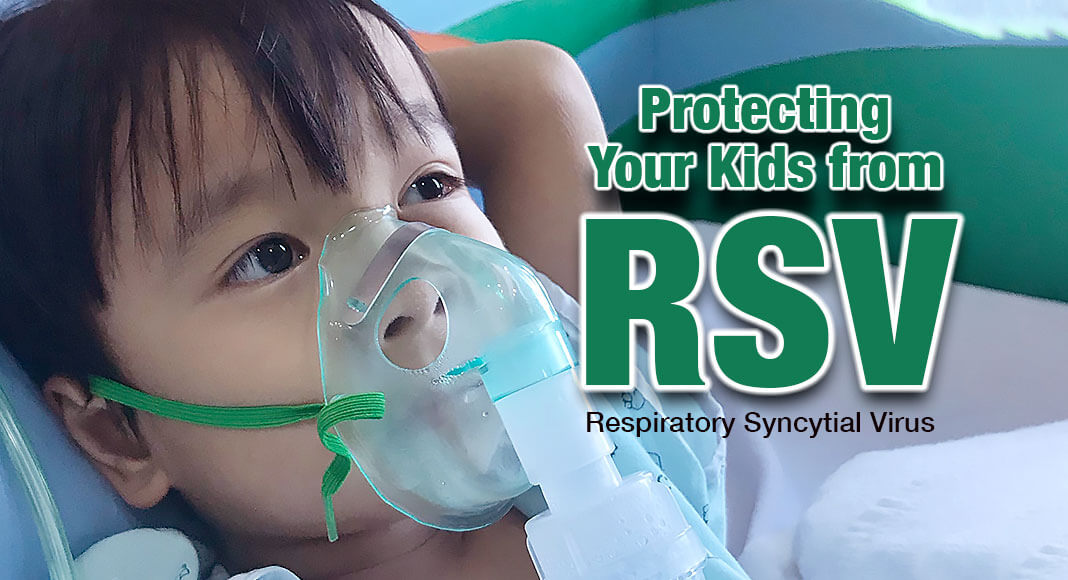
Protect Your Kids from RSV

Respiratory Syncytial Virus (RSV) cases are on the rise. A pediatrician offers advice for parents on how to keep their children safe from the respiratory virus.

Translate to Spanish or other 102 languages!

For those unfamiliar, RSV is a common respiratory virus that often spreads around this time of year. Image for illustration purposes

Mega Doctor News

- Advertisement -

CLEVELAND CLINIC – Respiratory Syncytial Virus (RSV) cases appear to be on the rise.

For those unfamiliar, RSV is a common respiratory virus that often spreads around this time of year.

“It’s a virus that causes typically cold-like symptoms in children and adults. But in younger children, can cause much more significant congestion and cough, high fevers, sometimes breathing and feeding difficulties and irritabilities,” explained Kimberly Giuliano, MD, pediatrician for Cleveland Clinic Children’s.

- Advertisement -

Dr. Giuliano said the good news is most children who get sick with RSV will be able to recover at home with supportive care.

For example, taking a pain reliever for a fever or using a vaporizer for congestion.

However, if the child’s symptoms are not improving or are getting worse, parents shouldn’t hesitate to contact their physician.

Dr. Giuliano said RSV can be pretty contagious and spread through the air and high-touch surfaces. So make sure to regularly wash your hands and sanitize things like car keys, door knobs and cellphones.

- Advertisement -

You can also limit your social activities.

“If there are large indoor gatherings that aren’t necessary, or a child could potentially be around someone with cough and cold symptoms, it might be best to rethink those plans and keeping younger children home,” she advised.

Dr. Giuliano said RSV testing is available and can confirm if a child has it. Pediatricians also usually test for the flu and COVID to help rule out those viruses too.


- Advertisement -
- Advertisement -

- Advertisement -

More Articles

New $2.5 Million Funding Boosts Stroke Care Access

Governor Greg Abbott announced $2.5 million in grant funding for hospitals to increase access to lifesaving stroke care through mobile stroke units.

DHR Health Encourages Community to Recognize the Signs of Stroke

The DHR Health Neuroscience Institute is urging the community to learn vital stroke prevention and response strategies. According to the Centers for Disease Control and Prevention (CDC), stroke remains a leading cause of death and disability worldwide.

TMA’s Prescription for Texas Lawmakers

To curb rising health care costs, physicians say Texas must reduce administrative waste, preserve meaningful coverage, and scrutinize market structures that reward consolidation and higher-cost settings.

How Dreaming Under Anesthesia Helps Ease Surgery Anxiety

A new study suggests anesthesiologists may be able to safely increase the likelihood that patients dream during surgery — and that those dreams are typically positive, calming and associated with a better overall surgical experience.
- Advertisement -
