








Mega Doctor News
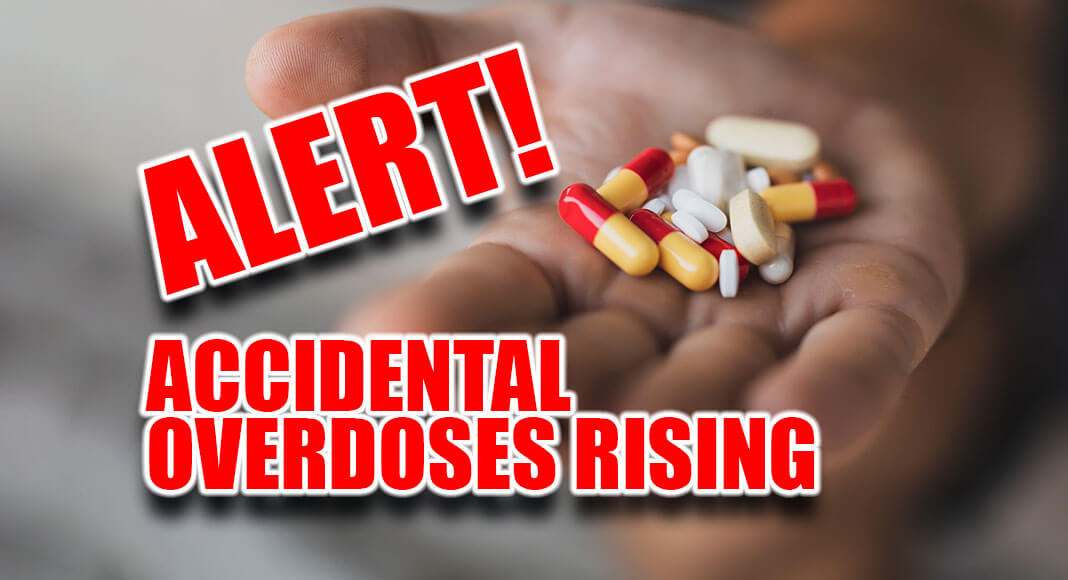
A surge in accidental opioid overdose deaths in Texas is showing no signs of slowing down, and Texas physicians warn the rise in illegally produced drugs laced with fentanyl are to blame. They also say increasing the availability of life-saving, overdose-reversing drugs like naloxone, as well as addiction treatment programs, can help.
“While any drug abuse is tragic, fentanyl overdoses and the addictions that precede them are culling Texans at an awful, persistent pace,” said Daniel Walk, MD, a member of the Texas Medical Association’s Committee on Emergency Medical Services and Trauma.
Nearly 5,000 Texans have died because of drug overdoses, an increase of 18% from a year ago, according to the Centers for Disease Control and Prevention. Fentanyl and other synthetic opioids contribute to this death toll, killing 1,634 Texans, an 82% increase over one year.

“It’s heartbreaking to see that statistic play out in front of me; having to tell someone’s parents their daughter or son won’t ever come home,” said Dr. Walk, an emergency physician who has treated overdose patients.
Fentanyl is used to treat severe pain and for advanced-stage cancer. But when used in an unregulated setting, even as little as two milligrams can be lethal, said Max Eckmann, MD, president of the Texas Pain Society (TPS). Fentanyl is up to 50 times stronger than heroin and 100 times stronger than morphine – as little as two milligrams, or less, is deadly.
“To put it in perspective, two milligrams of fentanyl could fit on the tip of a pen,” said Dr. Eckmann. “Drugs today are more powerful and more deadly than ever before,” with some counterfeit pills containing as much as five milligrams of fentanyl.
Physicians say the sharp spike in drug overdose deaths comes despite heavy regulation of opioid prescriptions, which have decreased in Texas and across the country for over a decade. American Medical Association data show a 44.4% decline in opioid prescribing nationwide.
“We [physicians] try to avoid prescribing opioids for pain relief if possible. If we are going to reach for opioids, we are mindful of the dosing amount and duration of treatment,” said Dr. Eckmann.
The physicians say one measure that can save lives and help control the opioid overdose epidemic is making naloxone – a medication that reverses an overdose – more accessible. It is available as an emergency nasal spray or injection.
“Making naloxone available for patients as a safety backup is a big thing, not just for themselves but for their family members,” said Dr. Eckmann.
Dr. Walk said everyone should have access to naloxone affordably and through a local pharmacy, on demand and without need for a prescription. It could help families when loved ones “fall off the wagon” and begin to use drugs again.
Boosting investment in and awareness of treatment programs and facilities to help those suffering from addiction is another step the entire community – physicians, health insurers, government, and law enforcement – can all take to mitigate the problem, the physicians said.
“Raising awareness and improving the availability to life-saving treatment is more important than ever. One opioid overdose death is one too many,” said Dr. Eckmann.


