





Paxton Secures $720M from Drug Manufacturers for their Role in the Catastrophic Opioid Epidemic

Translate to Spanish or other 102 languages!

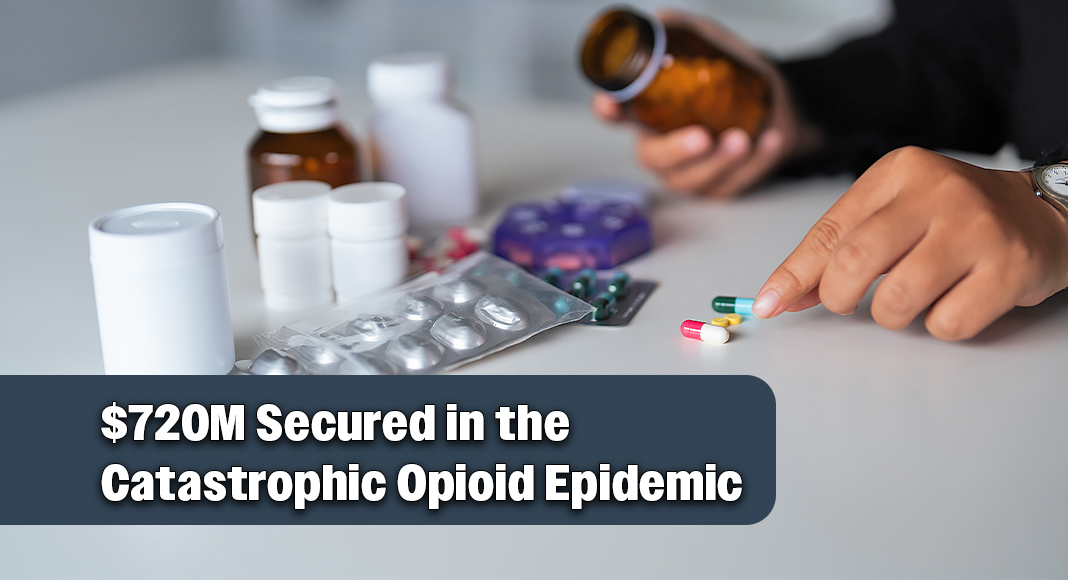
Attorney General Ken Paxton secured a new opioid settlement worth $720 million with eight drug makers that manufactured opioid pills and worsened the nationwide opioid crisis. In partnership with State Attorneys General across the country, this settlement will allow all local governments to participate through a sign-on period. The State of Texas and its political subdivisions could receive up to $45.5 million. Image for illustration purposes
- Advertisement -

AUSTIN – Attorney General Ken Paxton secured a new opioid settlement worth $720 million with eight drug makers that manufactured opioid pills and worsened the nationwide opioid crisis. In partnership with State Attorneys General across the country, this settlement will allow all local governments to participate through a sign-on period. The State of Texas and its political subdivisions could receive up to $45.5 million. 

“These manufacturers played a role in creating one of the most destructive public health crises our country has ever faced,” said Attorney General Paxton. “These settlements are an important step in holding companies accountable for their reckless greed and the part they had in worsening the opioid epidemic, which has devastated our communities and poisoned countless Texans.” 

The eight defendants and the total amount they will pay in funds to address the opioid crisis as part of the deal are: 

- Advertisement -
  • Mylan (now a part of Viatris): $284,447,916 paid over nine years  
  • Hikma: $95,818,293 paid over one to four years  
  • Amneal: $71,751,010 paid over 10 years  
  • Apotex: $63,682,369 paid in a single year  
  • Indivior: $38,022,450 paid over four years  
  • Sun: $30,992,087 paid over one to four years  
  • Alvogen: $18,680,162 paid in a single year  
  • Zydus: $14,859,220 paid in a single year  

In addition to these abatement payments, the companies have also agreed to injunctive relief. Seven of the companies—not including Indivior—are prohibited from promoting or marketing opioid products, from making or selling any product that contains more than 40 mg of oxycodone per pill, and are required to put in place a monitoring and reporting system for suspicious orders. Indivior, for its part, has agreed to not manufacture or sell opioid products for the next 10 years, but it will be able to continue marketing and selling medications to treat opioid use disorder. 

Including this new settlement, Attorney General Paxton has obtained settlements committing nearly $3.34 billion in funds for Texas from companies that helped fuel the catastrophic opioid crisis.  
- Advertisement -
- Advertisement -

- Advertisement -

More Articles

Health Alert Issued for Great Value Dinosaur-Shaped Chicken Nuggets Sold in Texas

The Texas Department of State Health Services is warning people not to eat Great Value brand frozen dinosaur-shaped chicken nuggets with a best by date of Feb. 10, 2027.

Texas Bans SNAP Purchases of Candy and Sweetened Drinks Starting April 1, 2026

The Texas Health and Human Services Commission reminds Supplemental Nutrition Assistance Program (SNAP) recipients that they can no longer buy candy or sweetened drinks with their Lone Star Cards in Texas starting April 1, 2026.

Mount Sinai Study: Lung Cancer Surgery Often Safe in Patients 80 and Older

Mega Doctor News by Mount Sinai Health System Newswise - NEW YORK - Researchers at the...

Experts Explain How Laughter Boosts Both Mind and Body

“Laughter is really, really good for us. It takes more muscles to frown than it does to smile. So, if we smile, even if we don't feel like it, that usually changes how we feel about something,” said Chivonna Childs, PhD, psychologist at Cleveland Clinic.
- Advertisement -

