








Mega Doctor News
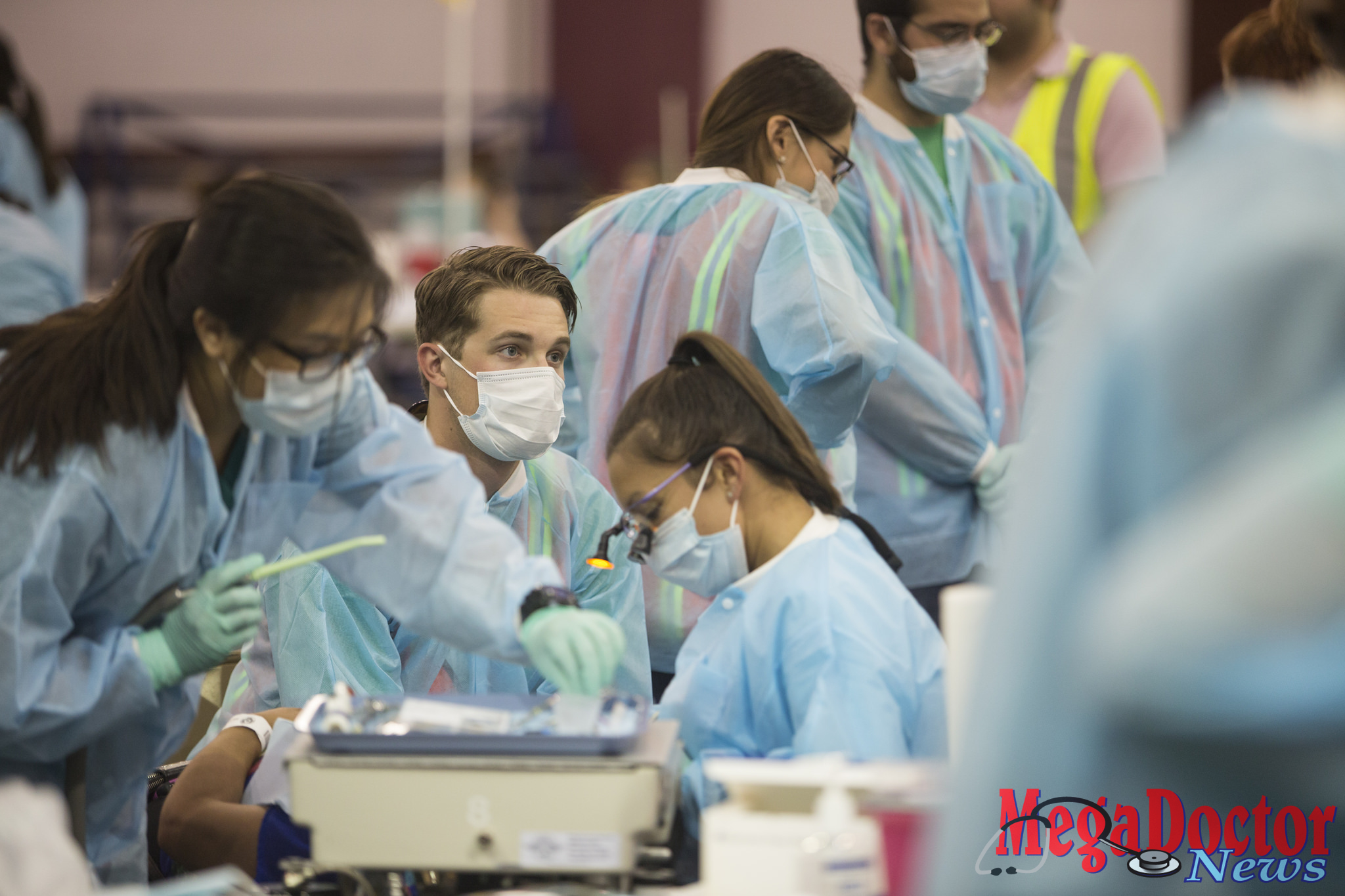
RIO GRANDE VALLEY, TEXAS – JULY 28, 2017 – Students and faculty of The University of Texas Rio Grande Valley lent a helping hand to first responders this week during Operation Lone Star.
Run by the Texas Department of State Health Services, Texas National Guard Medical Brigade and local health departments, Operation Lone Star is an annual emergency preparedness exercise that provides South Texas communities with public health services including physicals, eye exams, preventative dental services, and health screenings for diabetes, blood pressure, vision and hearing.
This year, more than 2,100 people in Hidalgo County alone received healthcare services at the event, which ran from July 24 to 28. The program, which has been in operation for 16 years, set up shop in Webb, Starr, Hidalgo, and Cameron counties.

The UTRGV cohort, composed of faculty and students from the College of Health Affairs and the School of Medicine, offered assistance and aid to healthcare professionals treating patients.
At PSJA High School in San Juan, one of the designated sites for Operation Lone Star, UTRGV first-year medical students assisted in recording patient information, giving eye exams, and making glasses for patients who received vouchers.
Alan Fonseca, 30, a first-year medical student at UTRGV and a Houston native, spent his day transporting buckets of saliva from patients receiving dental services – an experience he says was both humbling and rewarding.
“You have to start from the bottom,” he said. “It’s important to give back to the community, and it really opens your eyes to how much need there is here.”
Claudio Kogan, assistant professor at the School of Medicine, said student participation is an essential element of a UTRGV medical education.
“The whole idea is for them to step foot in the medical field and see first-hand what it’s like to truly help someone who is in need,” he said.
Olga Alvarado, an Alamo resident, said she brought her two daughters to receive physicals for the first time.
“I can’t afford to take them to get check-ups as often as I’d want to, so this was a great opportunity to get them checked out,” she said.


