








Mega Doctor News
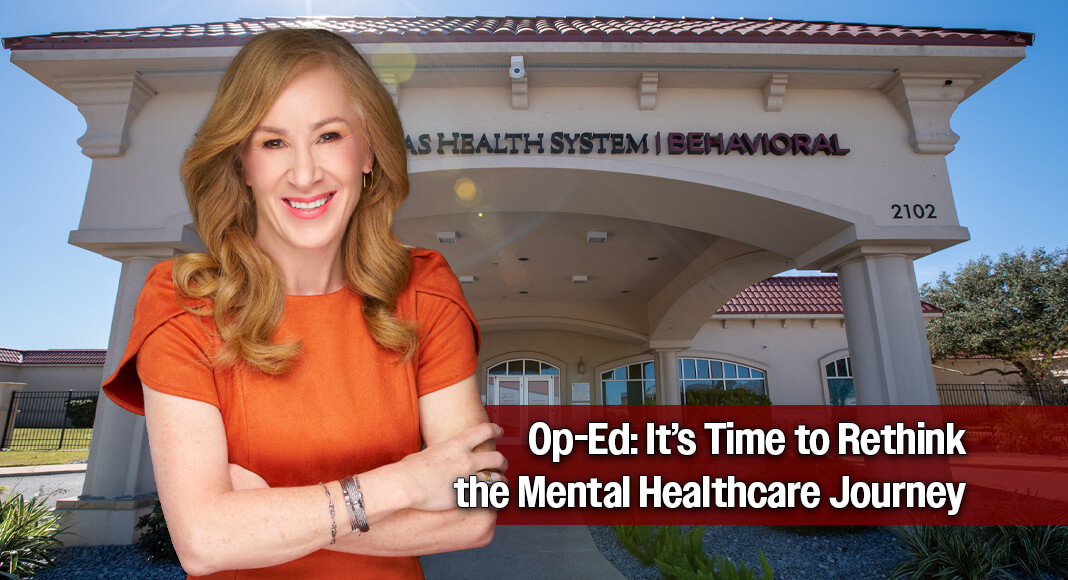
By Brenda Ivory, Chief Executive Officer STHS Behavioral
When someone breaks a bone, experiences chest pain or is diagnosed with diabetes, we don’t expect them to navigate a fragmented healthcare system on their own. We recognize that health conditions exist on a spectrum and that people need different levels of care at different points in their lives.
Mental healthcare should be no different.

Yet historically, for too many people, getting help can be unnecessarily difficult. They may not know where to start. They may face long wait times, transportation challenges, scheduling conflicts or concerns about stigma. Others simply need support before a crisis develops, but don’t know how or where to access it.
The result is that too many people wait until they’re in crisis before seeking care. And as behavioral healthcare providers, we have an opportunity – and a responsibility – to change that.
Mental health is an essential part of overall health and shouldn’t exist separately from the rest of the healthcare system. It should provide easier access, simpler navigation, and a seamless experience across the full continuum of care.
That means recognizing that mental healthcare isn’t a single destination. It’s a journey.
At different points in life, someone may benefit from virtual counseling that fits into a busy schedule. Others may need intensive outpatient treatment, specialized inpatient care or support as they transition back to everyday life. No two journeys are the same, which is why our healthcare system must be flexible enough to meet people where they are and help them move forward.
This is one of the reasons the 12 facilities of South Texas Health System, including STHS Behavioral as its behavioral health hospital, are pleased to now be affiliated with Talkspace, enabling us together to bring accessible, high-quality care to more individuals. With Talkspace joining our national network of services, we now offer the first, and currently, only connected continuum of mental health services that better serves patients throughout every stage of their journey.
Together, we’re bringing virtual therapy and psychiatry together with outpatient programs, crisis intervention, inpatient treatment and recovery support offerings to create a more connected behavioral healthcare experience. Rather than viewing virtual care as a replacement for in-person treatment, we see it as another way to help people access care earlier, remain engaged in treatment and transition more seamlessly between levels of care.
The need for this kind of integrated approach has never been greater.
Talkspace’s nationwide network of approximately 6,000 licensed providers currently serves more than 200 million people through health plans, employers, schools, government organizations and employee assistance programs, delivering more than 1.6 million therapy and psychiatry sessions in 2025 alone. Those numbers reflect more than growth – they reflect the growing demand for flexible, accessible behavioral healthcare that fits into people’s lives.
The future of behavioral healthcare will always be rooted in compassionate clinicians, evidence-based care and trusted relationships. Digital tools can help remove barriers, extend access and support people between appointments, but they work best when they’re integrated into a broader system of coordinated care – not operating in isolation.
That’s the future we’re building.
Throughout our STHS facilities, we see every day how early intervention, coordinated treatment and ongoing support can change the trajectory of a person’s life through our adult and adolescent behavioral health programs at STHS Behavioral.
However, we also know that every community has unique behavioral and mental health needs. Providing short-term and long-term support is essential for a healthy community, whether it’s help with anxiety, depression, panic disorders, post-traumatic stress disorder or transitions through life stages.
Improving mental health in our communities requires collaboration among healthcare providers, employers, schools, policymakers, families and community organizations. Together, we can reduce stigma, encourage people to seek help sooner and ensure they have access to the support they need throughout every stage of life.
Mental healthcare shouldn’t begin only when someone reaches a breaking point. It should be part of how we help people build healthier, more resilient lives every day.
That’s a future worth building together.
Sincerely,
Brenda Ivory
Chief Executive Officer
STHS Behavioral


