







Mega Doctor News

CLEVELAND CLINIC – According to the Centers for Disease Control and Prevention (CDC), an estimated 6.5 million Americans are living with Alzheimer’s disease, which does not have a cure.
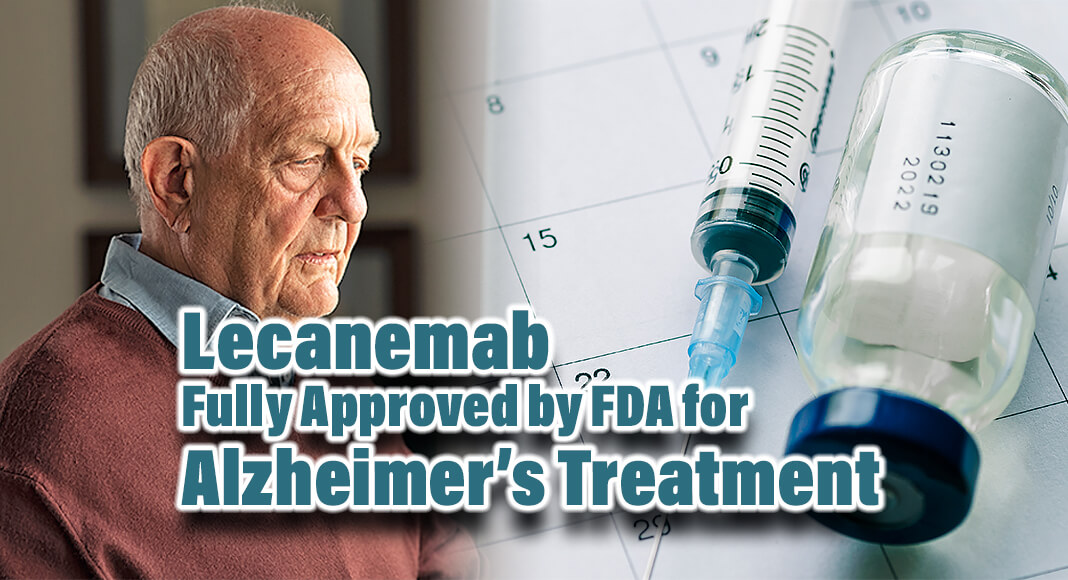
However, researchers are hopeful about a new medication that was recently approved by the Food and Drug Administration (FDA) for people with early-stage disease.
“When we say Alzheimer’s, it’s a large spectrum, so there are very early stages to very advanced dementia,” said Babak Tousi, MD, neurogeriatrician for Cleveland Clinic. “So, at this point, there are no findings supporting the use of this medication for people with moderate to late-stage dementia. This is for people in the very early stages of the disease.”

The medication, which is called lecanemab, was designed to reduce amyloid beta plaque in the brain.
Amyloid beta plaque has been linked to Alzheimer’s disease.
Dr. Tousi explained that the medication does not treat symptoms of the disease but rather helps to slow the progression of it.
As far as success rates go, results from an 18-month clinical trial showed participants who received the medication had a 27 percent reduction in amyloid beta plaque.
Dr. Tousi said that number may sound small, but he believes it’s a good place to start.
“It seems we have achieved some treatment. We can affect the disease trajectory. It is a small benefit, but it’s still a benefit,” he said. “We can slow it down and I think it’s one of many to come down the road to hopefully target it, so that’s the biggest step for us.”
Documented side effects for the medication included micro-hemorrhages and edema, which is accumulation of fluid in brain tissue.
Editor’s note: Dr. Tousi is a paid scientific advisor for Biogen and Eisai.


