








Nearly 100 People Sick in Salmonella Outbreak Linked to Recalled Eggs

Translate to Spanish or other 102 languages!

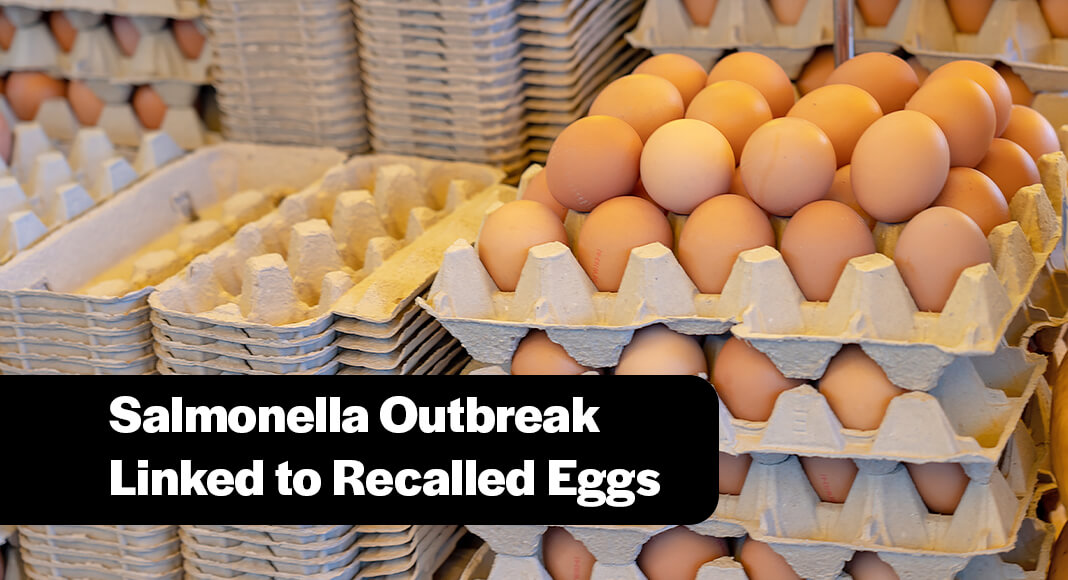
95 people from 14 states have gotten sick from the same strain of Salmonella. Eighteen people have been hospitalized, and no deaths have been reported. Most of the sick people are from California (73 people). Image for illustration purposes
- Advertisement -

Key Points:

  • 95 people from 14 states have gotten sick from the same strain of Salmonella. Eighteen people have been hospitalized, and no deaths have been reported. Most of the sick people are from California (73 people).
  • Country Eggs, LLC recalled Large Brown Cage Free “Sunshine Yolks” eggs on August 27, 2025. CDC’s outbreak notice has more information about the recalled products.
  • Do not eat, sell, or serve recalled eggs.

What You Should Do:

  • Do not eat any recalled eggs. Throw them away or return them to where you bought them.
  • Wash items and surfaces that may have touched the recalled eggs using hot soapy water or a dishwasher.
  • Call your healthcare provider if you have any of these severe Salmonellasymptoms:
    • Diarrhea and a fever higher than 102°F
    • Diarrhea for more than 3 days that is not improving
    • Bloody diarrhea
    • So much vomiting that you cannot keep liquids down
    • Signs of dehydration

What Businesses Should Do:

- Advertisement -

  • Do not sell or serve recalled eggs.
  • Wash and sanitize items and surfaces that may have come in contact with recalled eggs.

About Salmonella:

  • Most people infected with Salmonella develop diarrhea, fever, and stomach cramps 6 hours to 6 days after being exposed to the bacteria.
  • The illness usually lasts 4 to 7 days, and most people recover without treatment.
  • In some people, the illness may be so severe that the patient is hospitalized.
  • Children younger than 5, adults 65 and older, and people with weakened immune systems are more likely to have severe illness.

If you have questions about cases in a particular state, please call that state’s health department.

Information source: CDC

- Advertisement -

- Advertisement -

- Advertisement -

More Articles

DHR Health Transplant Institute Earns Top State and National Rankings

The DHR Health Transplant Institute announced today that it has been recognized among the state’s and nation’s top performing kidney transplant centers, earning the no. 2 ranking in the State and no. 16 ranking in the Nation, according to the Scientific Registry of Transplant Recipients (SRTR).  

New Noninvasive Tech Tracks Infant Vital Signs Without Wires

In the neonatal intensive care unit, the most fragile patients in medicine are often the most heavily wired. Premature babies, some weighing less than a pound, can be tethered to a tangle of cables, monitors, and sensors. Each blood draw to check sugar levels or electrolytes means another needle, another bandage, another moment of stress for an infant whose skin is still forming.

STHS McAllen Receives National Award for Advancing Cardiac Arrest Care & Improving Patient Survival

In the moments following cardiac arrest, every second counts. Rapid intervention, seamless teamwork and evidence-based care can make the difference between life and death.

The Truth About Hot Dogs and Your Health

July is National Hot Dog Month. Reports show Americans eat roughly 20 billion hot dogs every year. While they’re okay to have on occasion, they shouldn’t be a regular part of your diet.
- Advertisement -

